WEB Signal 539 2 feeds carried it
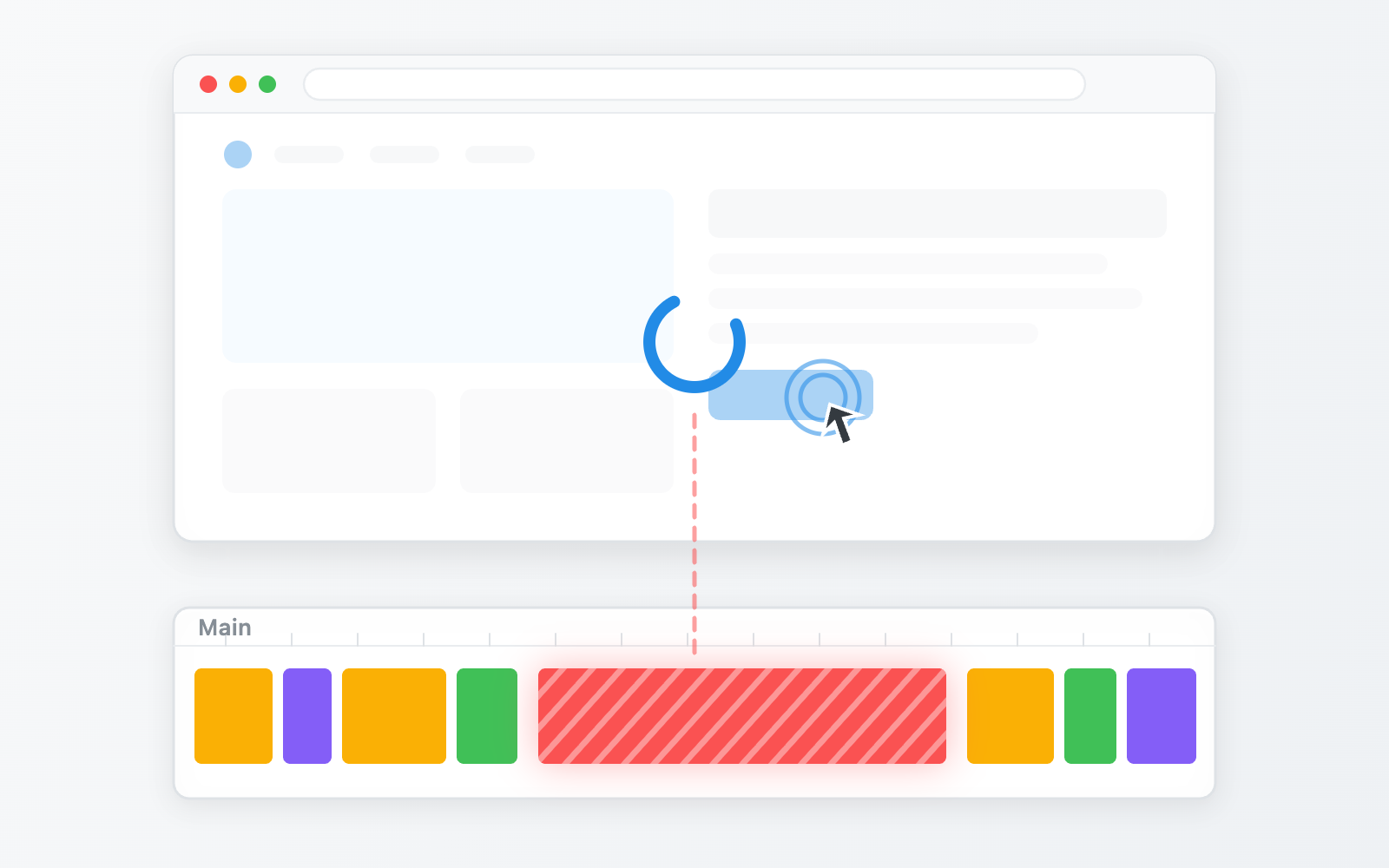
Web applications face main thread bottlenecks under heavy interaction loads
 ↗
↗
Browser main thread congestion causes jank in high-interaction web apps despite network and bundle optimizations
The browser’s main thread handles both JavaScript execution and rendering, creating a single point of contention. When blocked, even well-optimized apps suffer from input lag, stuttering, or frozen animations. This bottleneck becomes critical in applications with live data streams, complex interactions, or high refresh-rate displays.
Written by elseif from the cluster below · every claim links back to a sourceThe three things worth knowing
The main thread processes JavaScript, event handling, and most rendering steps in a single queue
Long tasks over 50 milliseconds block rendering and input, causing visible jank
Offloading work to workers or the compositor thread can prevent main thread congestion
THE READ
What the cluster adds up to.
The browser’s main thread consolidates JavaScript execution, event handling, and rendering tasks into a single sequential pipeline. This design creates a fundamental bottleneck where any long-running JavaScript task delays screen updates and input processing. While this architecture works for simple pages, it becomes problematic in applications with frequent DOM updates, live data streams, or complex user interactions. The 16.6-millisecond frame budget on 60Hz displays leaves little room for error, and even shorter budgets on higher-refresh-rate screens exacerbate the issue.
Long tasks, JavaScript operations exceeding 50 milliseconds, directly block the main thread from processing rendering or input events. These delays manifest as jank: stuttering animations, delayed button responses, or lagging text input. The problem compounds in applications with frequent DOM manipulations or heavy event handling, where even small delays accumulate. Unlike network or bundle size optimizations, which have clear metrics, main thread congestion often goes unnoticed until it visibly degrades user experience. Developers may misdiagnose the issue as inefficient code rather than a structural limitation of the main thread.
Mitigation strategies focus on reducing main thread workload or shifting it elsewhere. Offloading non-critical JavaScript to Web Workers prevents blocking, while leveraging the compositor thread for animations (via CSS transforms) avoids rendering pipeline delays. Techniques like batching DOM updates, deferring non-essential work, and prioritizing critical rendering tasks can also help. However, these solutions introduce complexity, and not all tasks can be easily moved off the main thread. The trade-off between responsiveness and implementation effort becomes a key consideration for performance-critical applications.
Written by elseif from the cluster below · checked for specifics the sources never containedTHE CLUSTER