TECH Signal 477
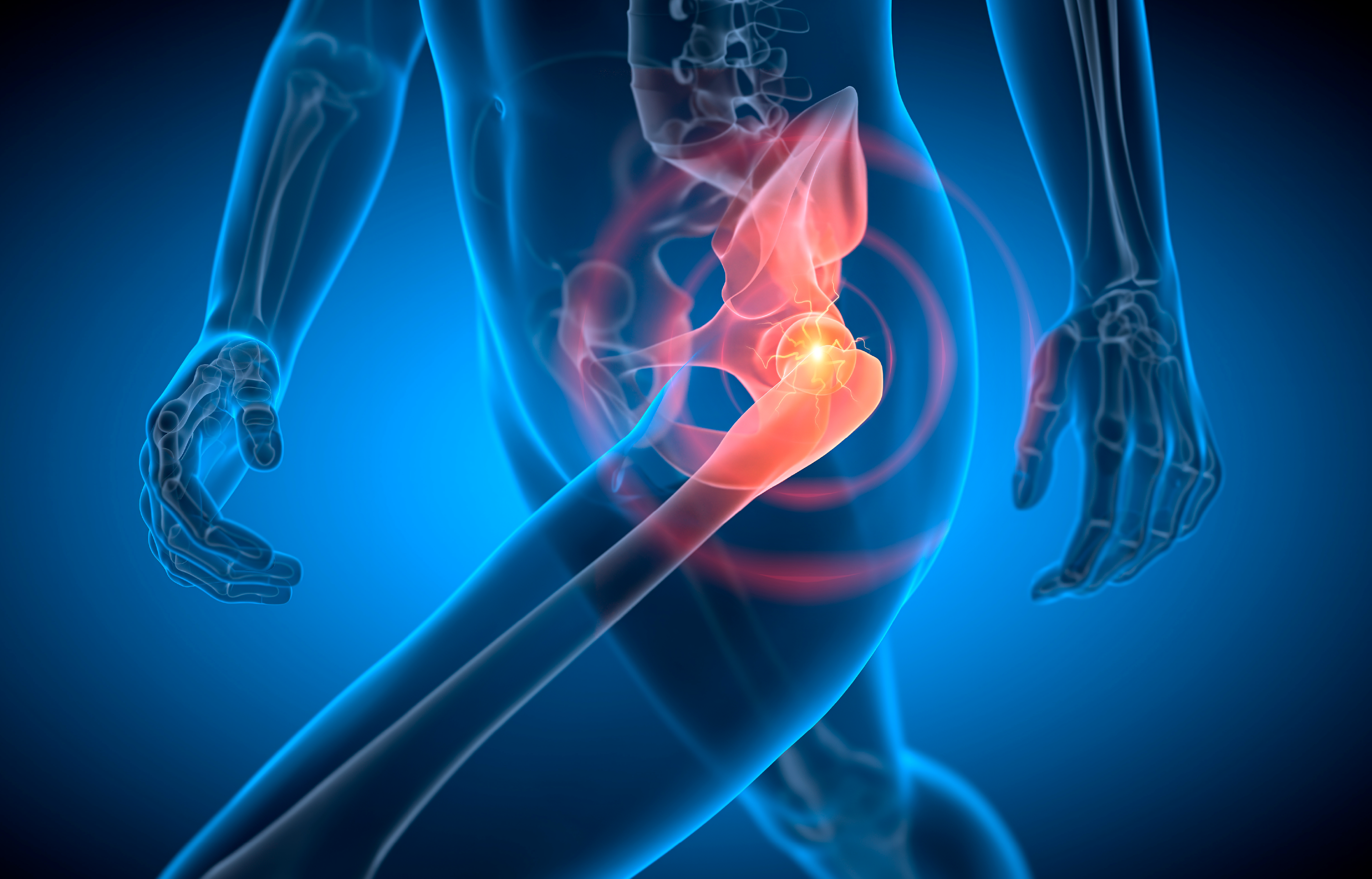
Study finds male human pelvis evolved unique hip socket orientation for energy-efficient walking
 ↗
↗
Anthropologists identify a distinct pelvic structure in modern human males linked to improved locomotion efficiency
This research provides biomechanical insights that could influence musculoskeletal medicine, rehabilitation, and injury prevention. For engineers working in robotics, prosthetics, or ergonomic design, understanding these evolutionary adaptations may inform more efficient movement systems or load-bearing structures.
Written by elseif from the cluster below · every claim links back to a sourceThe three things worth knowing
Modern male human pelvises have hip sockets oriented more toward the front compared to Neanderthals and females
This configuration improves shock absorption and energy recovery during walking
Findings may contribute to biomechanics research and medical applications like injury prevention
THE READ
What the cluster adds up to.
A recent study in *Scientific Reports* analyzed 91 modern human pelvises alongside Neanderthal specimens, revealing a distinct structural difference in male human hip sockets. The orientation of these sockets toward the front of the pelvis appears to be an evolutionary adaptation absent in both Neanderthals and modern human females. This change is hypothesized to enhance locomotion efficiency by improving shock absorption and energy recovery during walking, a process described as a series of controlled falls.
The biomechanical advantage stems from the forward positioning of the legs, which allows the quadriceps to better absorb impact and propel the body upward. This adaptation may explain why males, unconstrained by the evolutionary demands of childbirth, developed this pelvic configuration. The study suggests this gait efficiency could provide an advantage in endurance activities, though it does not address potential trade-offs, such as reduced stability or flexibility in other movements.
For engineers, these findings offer a concrete example of how evolutionary pressures shape functional anatomy. The insights could be particularly relevant for fields like robotics, where energy-efficient locomotion is a key challenge, or prosthetics, where mimicking natural movement patterns is critical. The study also highlights the value of comparative anatomy in understanding human biomechanics, which may inform ergonomic designs or medical devices aimed at reducing joint stress or preventing injuries.
The research underscores the importance of sex-specific anatomical differences in biomechanical studies. While the female pelvis has been extensively studied due to its role in childbirth, this work demonstrates that male anatomy also holds unique evolutionary innovations. These differences could have implications for designing gender-specific medical interventions or workplace ergonomics, where one-size-fits-all solutions may not account for such variations.
Beyond academic interest, the study’s authors suggest these findings could contribute to contemporary research in musculoskeletal medicine and rehabilitation. For example, understanding how the male pelvis optimizes walking efficiency might inspire new approaches to physical therapy or injury prevention strategies. However, the study’s focus on modern humans and Neanderthals leaves open questions about how these adaptations apply to other hominids or how they might interact with modern lifestyle factors like sedentary behavior.
Written by elseif from the cluster below · checked for specifics the sources never containedTHE CLUSTER