ELSEIF
Your brief EB
395 stories from 119 feeds 463 clusters Refreshed 12 minutes ago next pull 03:22

Slashdot Infra Signal 526 · 2 feeds carried it

Linux Kernel 7.2 release adds cache-aware load balancing, HDMI 2.1 FRL, and Rust S/390 support

Why it matters — The cache-aware load-balancing support provides a new mechanism for CPU scheduling that considers cache topology. Initial HDMI 2.1 FRL support in the AMDGPU driver adds capability for higher display bandwidth on compatible hardware. Rust support for the IBM System/390 architecture lets developers write kernel components in Rust for mainframe systems.


CLUSTERED TODAY

One story, several feeds.

All 463 clusters →

THE INDEX

Everything else today.

01 571 -4

Infra GitHub

The August 17 outage, and the work ahead

Why it matters — Outages at GitHub disrupt workflows for millions of developers and CI/CD pipelines. The post signals how GitHub is prioritizing uptime and what trade-offs it is making. Engineers can use the report to assess whether GitHub’s reliability roadmap aligns with their own risk tolerance.

3 feeds Compare ↗
1 min
02 571 -3

Languages Rust Blog

Rust 1.98.0 adds algebraic float methods and buffered integer formatting

Why it matters — Algebraic float methods let the compiler reorder floating-point arithmetic for better performance, at the cost of non-deterministic results. The format_into method provides a faster path for integer formatting without dynamic dispatch. The ManuallyDrop fix removes a source of undefined behavior for code that moves dropped boxes.

2 feeds Compare ↗
3 min
04 548 -2

Tech KDE Community

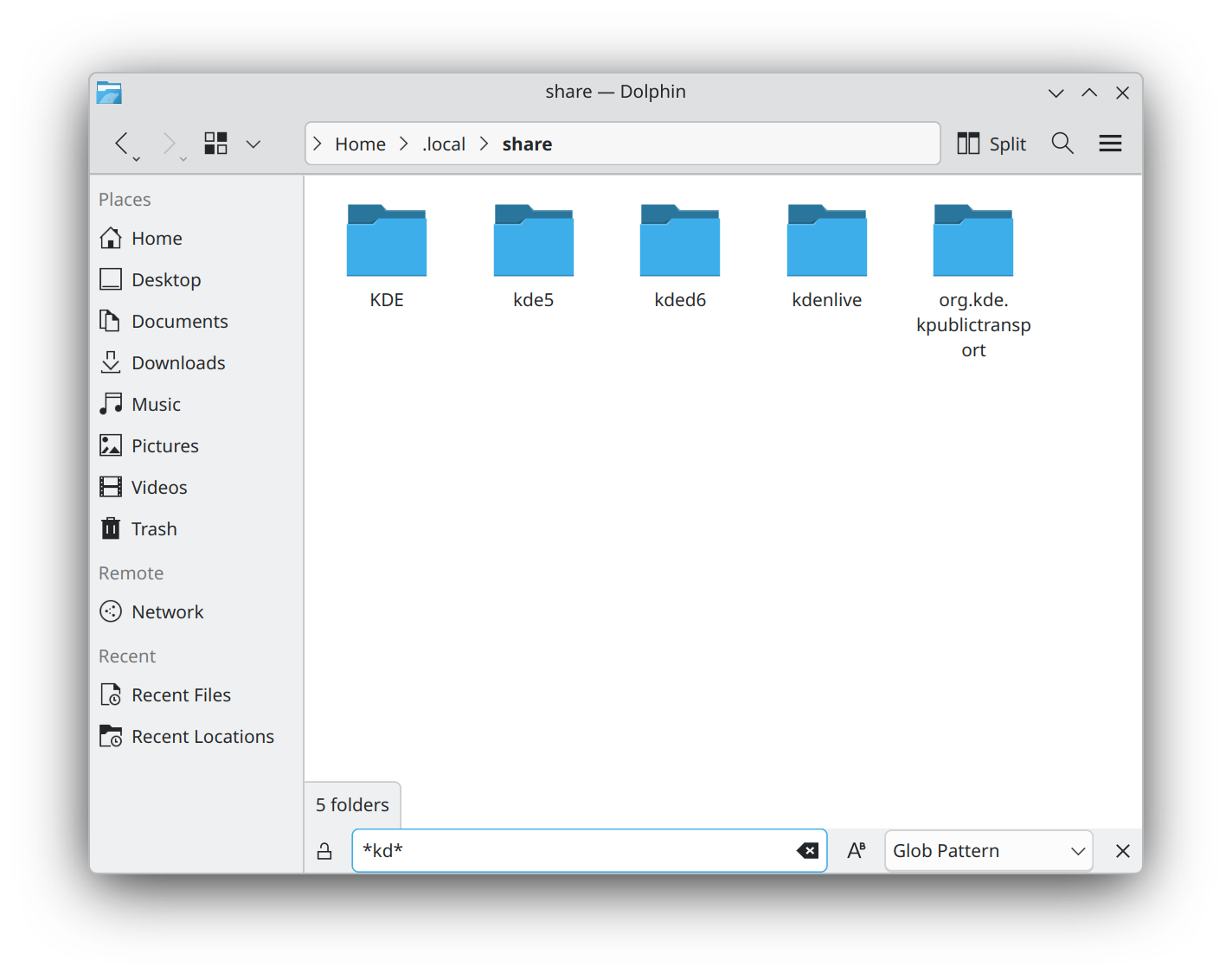
KDE Gear 26.08 releases with Okular signing security upgrades and Dolphin file management refinements

Why it matters — This release introduces tangible workflow improvements for engineers and users who rely on KDE applications. Security enhancements in Okular’s document signing reduce operational risk, while Dolphin’s file management refinements and Konsole’s drag-and-drop utilities streamline daily tasks. The changes reflect incremental but meaningful progress in open-source tooling.

4 feeds Compare ↗
5 min
06 535 -4

AI Techmeme

ChatGPT can now send texts for you with new Apple Messages plugin

Why it matters — Engineers must now consider how AI-driven messaging automation fits into existing workflows while preserving a human review step. The local execution model reduces data exfiltration risk but introduces new trust and oversight requirements.

2 feeds Compare ↗
2 min
07 529 -3

Tech router.com

Ramp reportedly introduces model router for AI workload distribution

Why it matters — Engineers building AI-powered applications may gain a tool to optimise cost, latency or accuracy by dynamically selecting models. Without details on implementation or constraints, the practical impact remains unclear. If widely adopted, such routing could shift how teams manage multi-model deployments

3 feeds Compare ↗
4 min
08 527 -4

AI Simon Willison

ChatGPT search now applies site: operator to 16-17% of queries, up from under 0.5%

Why it matters — This shift changes how sites get visibility in ChatGPT search, as the site: operator restricts results to specific domains. Site owners and content strategists must now consider being explicitly named in queries to appear in responses. The change also aligns with a reported reduction in Reddit sourcing, indicating a broader shift in ChatGPT's search source selection.

1 feed
2 min
09 526 -3

Infra Slashdot

Linux Kernel 7.2 release adds cache-aware load balancing, HDMI 2.1 FRL, and Rust S/390 support

Why it matters — The cache-aware load-balancing support provides a new mechanism for CPU scheduling that considers cache topology. Initial HDMI 2.1 FRL support in the AMDGPU driver adds capability for higher display bandwidth on compatible hardware. Rust support for the IBM System/390 architecture lets developers write kernel components in Rust for mainframe systems.

2 feeds Compare ↗
2 min
10 506 -5

Tech Berkeley AI Research

Berkeley Law sets default AI ban across coursework and exams, effective Summer 2026

Why it matters — The policy frames AI as opt-in rather than opt-out for graded legal education and spells out prohibited activities in concrete terms that other institutions can adopt or adapt. For instructors, the written-opt-in requirement means faculty who want AI in their courses must publish an alternative rule and collect disclosures, which is a non-trivial administrative change. For engineers building tools aimed at law students or law schools, the policy removes a permissive default and narrows the legitimate use cases to source identification and instructor-approved exercises.

1 feed
3 min
12 496 new

Infra Phoronix

NetBSD 11.0

Why it matters — Engineers targeting embedded or heterogeneous systems now have an officially supported RISC-V target within NetBSD, which can simplify cross-platform toolchains. The upgraded Linux compatibility layer reduces friction when running Linux binaries on NetBSD, useful for legacy software or container-like workloads. Firewall improvements in NPF affect anyone who relies on NetBSD for routing or security appliances.

4 feeds Compare ↗
1 min
14 487 -5

Tech observationalepidemiology.blogspot.com

Amazon destroys rare books to scan content for AI training data

Why it matters — Amazon's destructive scanning contrasts sharply with the Internet Archive's preservation-first approach, yet Amazon claims fair use while the Internet Archive faces publisher lawsuits. The irreversible destruction of rare books removes physical artifacts that carry historical and intellectual value beyond their extractable text.

1 feed
4 min
15 486 -4

Tech jacob.gold

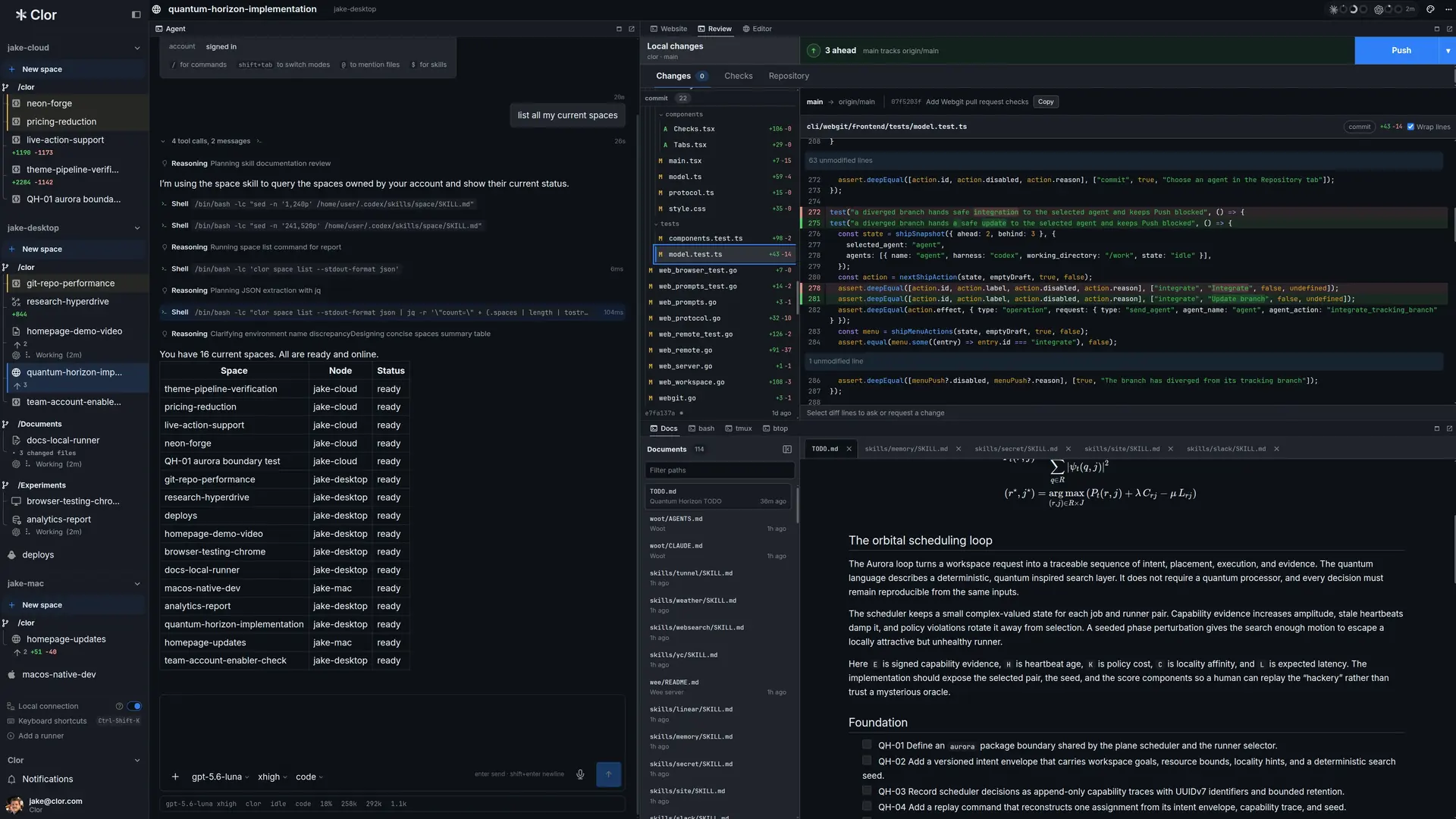
Coding agents let teams run many parallel improvements across microservices

Why it matters — Engineers can now achieve higher productivity by letting agents work on separate services simultaneously instead of waiting for a single merge queue. However, this gain depends on keeping each service small enough to fit in an agent's context window, otherwise agents waste time on merge conflicts and broken builds. Thus, investing in modular design up front becomes essential to avoid net-negative productivity when scaling agent usage.

1 feed
2 min
16 482 -4

Tech mathstodon.xyz

EU rules AI-generated content ineligible for copyright protection

Why it matters — This ruling clarifies the legal status of AI-generated works for engineers and companies building or deploying AI systems in the EU. It removes ambiguity about ownership and commercial use of outputs but may limit incentives for investment in AI-generated content.

1 feed
4 min
18 480 new

Tech OpenAI

Ten advances in mathematics and theoretical computer science

Why it matters — These breakthroughs resolve problems that have been open for a long time, potentially reshaping algorithmic design and security assumptions used by engineers. One of the cryptographic results was uncovered with the help of an AI model, showing that large-scale language-model prompting can contribute to security research, albeit at a significant token cost. The mix of new theory and AI-driven discovery suggests both new technical constraints and new research tools for software builders.

4 feeds Compare ↗
4 min
19 476 -5

Tech OpenRouter Blog

Stealth model reportedly emerges in engineering discussions without public documentation

Why it matters — Engineers lack visibility into capabilities, limitations, or security implications of undocumented models. Adoption without scrutiny risks integration issues or unintended behavior in production systems. The absence of official sources complicates risk assessment for teams evaluating its use.

1 feed
4 min
20 476 -2

Tech Francisco Trindade

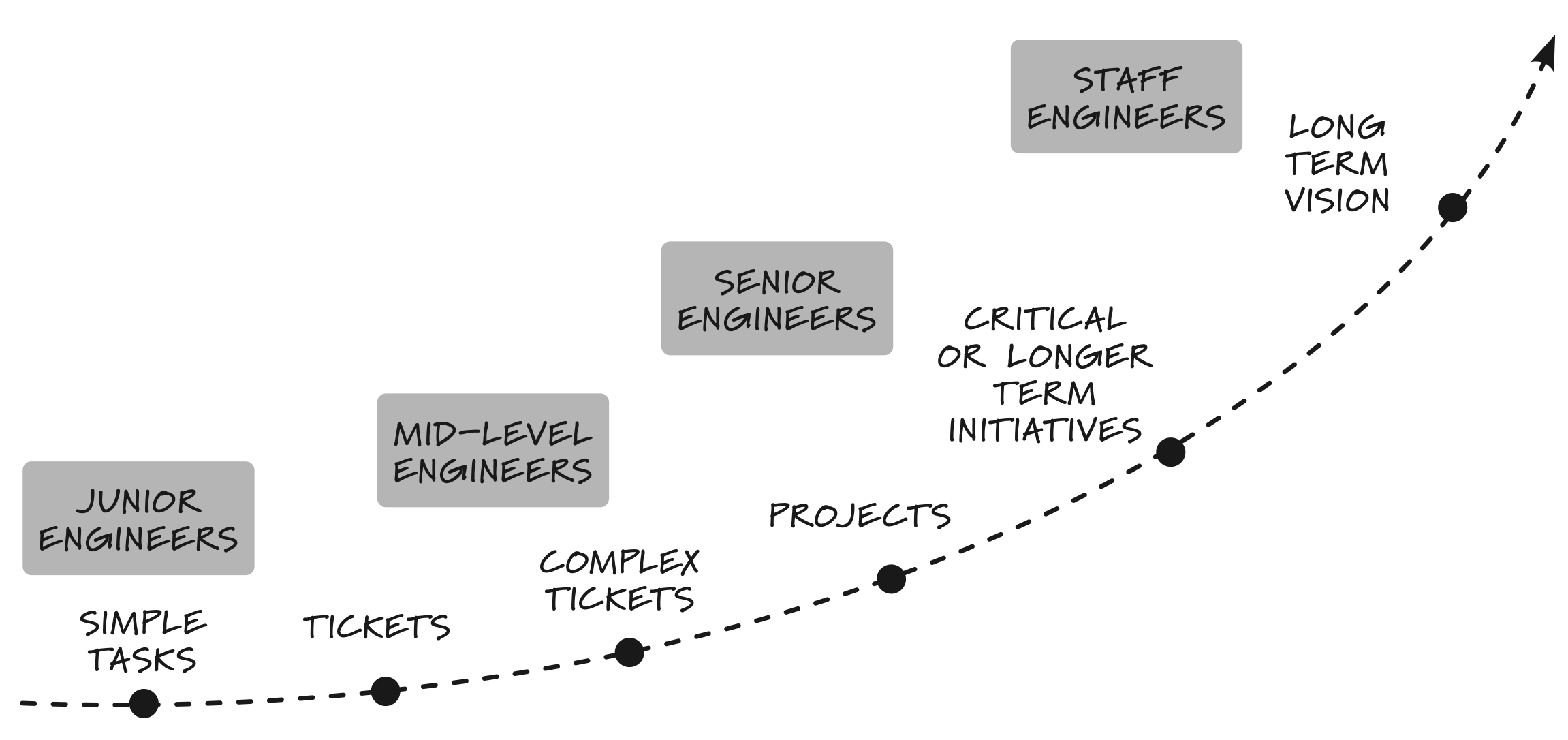
AI tools shift junior engineers from task execution to problem ownership and decision-making

Why it matters — Junior engineers are not being replaced by AI but are instead being repositioned to handle more decision-making and problem ownership. This shift could lower training costs and expand the capacity of engineering teams to tackle previously deprioritized work. The change also highlights the enduring need for human context and judgment in software development

3 feeds Compare ↗
4 min

HOW RANKING WORKS

Nothing here is paid, boosted, or weighted by time on page.

Every story carries a signal score, and every score decomposes into named parts you can inspect on the story page. If you disagree with a ranking, you can see exactly which component put it there.

Read the full method →

01 · RECENCY

How recently it was published, decaying on a fixed half-life rather than falling off a cliff.

02 · CROSS-FEED AGREEMENT

How many independent feeds carried the same story. Agreement reached separately is the strongest signal we have.

03 · SOURCE AUTHORITY

Editorial trust in the feed that carried it, which is not always the publisher shown. Primary engineering write-ups outrank rewrite desks.

04 · EARLY VELOCITY

Discussion the story drew in the feed that surfaced it, not on elseif. We never rank on our own click data.

05 · TOPIC CLARITY

How confidently the story classified. A story we cannot place is unlikely to be what you came for.