446 stories from 200 feeds
· 1253 clusters
Refreshed 3 minutes ago
· next pull 19:47
TOPIC
Architecture
How systems are shaped and why. Migrations, rewrites, and the structural decisions teams defend years later, including the ones they would now make differently.
Why it matters — The deprecation of HCP Vagrant signals a significant change for users relying on this platform for their development workflows. Planning migrations early is crucial to ensure continuity and minimize disruption to ongoing projects.
Why it matters — This incident highlights the potential vulnerabilities in payment systems tied to shared accounts, especially in a family setting. It raises questions about parental controls and corporate responsibility regarding unauthorized transactions.
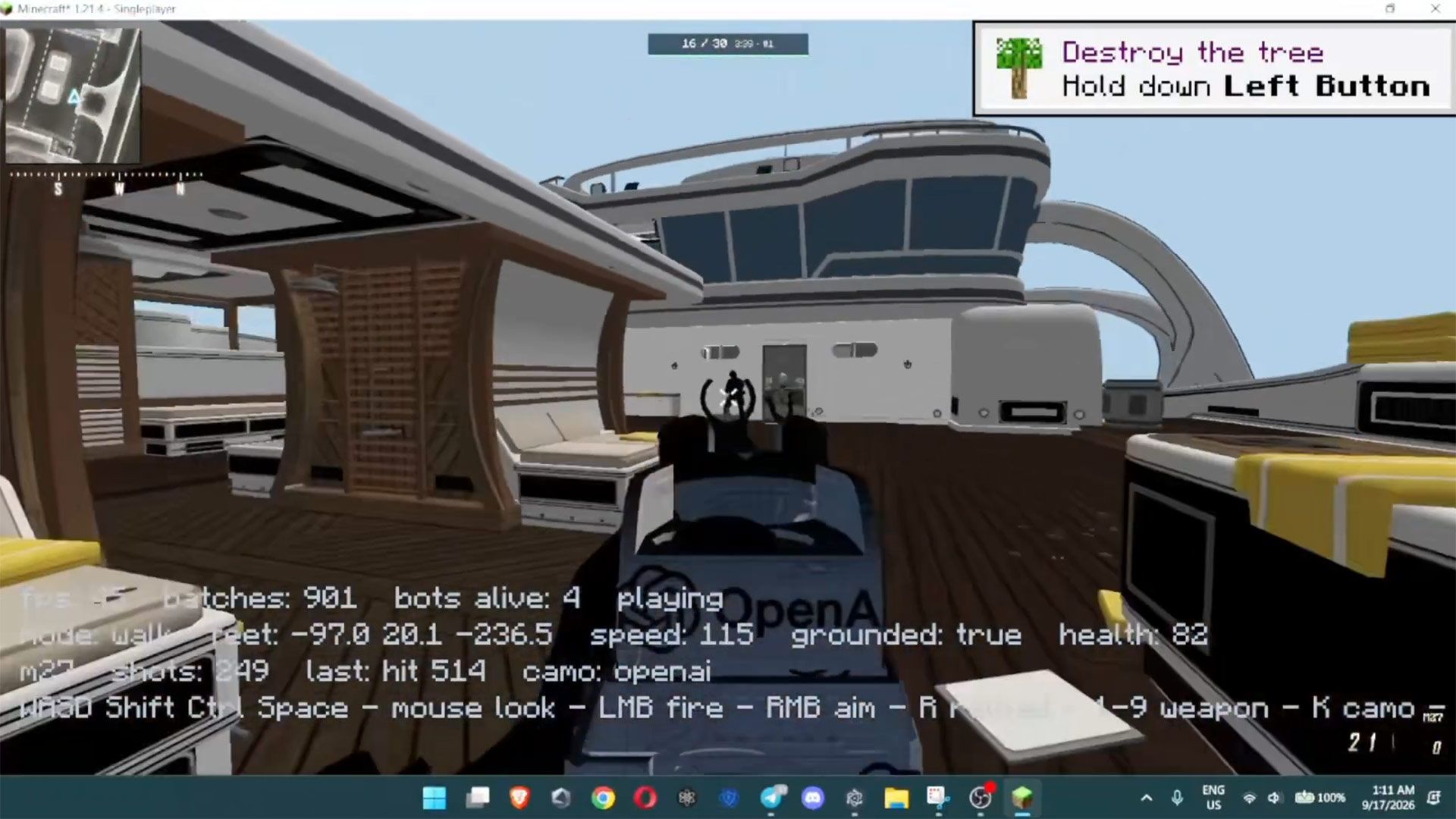
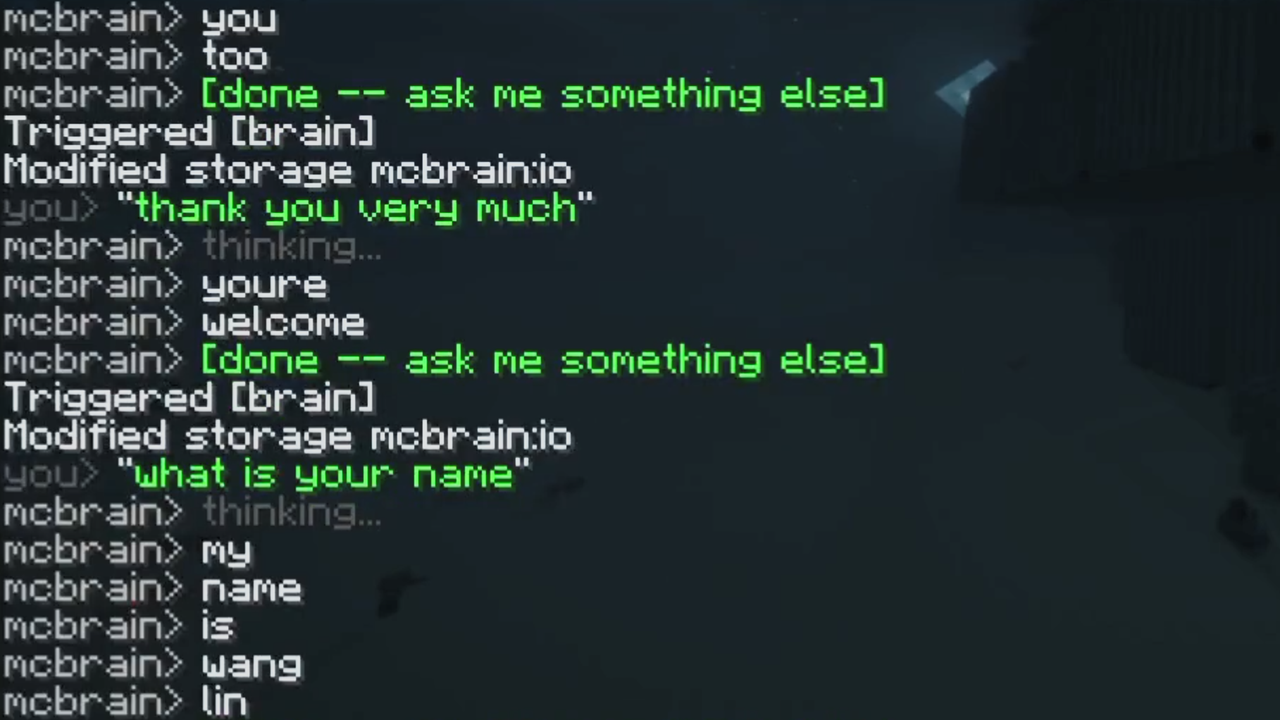
Why it matters — This development showcases the potential of modding frameworks like Fabric to integrate complex game environments into existing platforms. By utilizing GPT-6 Astra, the developer was able to optimize the performance of a high-fidelity map to run smoothly within Minecraft's architecture. This could inspire further innovations in game development and modding communities.
Why it matters — Independent Architecture feeds picked this up separately, which is the signal elseif ranks on. Open the cluster below to compare how each feed framed it.
Why it matters — CERN operates one of the most demanding and unique computing environments in scientific research, so its choice of Linux distribution and migration strategy carries weight for other large-scale infrastructure operators. The shift away from CentOS also reflects broader industry turbulence following CentOS's end-of-life trajectory. Only one feed is carrying this story, and the full article is paywalled, so details on timeline, tooling, and trade-offs are limited.
Why it matters — The findings from visual preference surveys indicate a significant public discontent with modernist architecture. This preference for traditional styles may influence future architectural design and urban planning decisions, leading to a resurgence of traditional aesthetics in new projects.
Why it matters — Engineers relying on demo-benchmarks may overestimate model capability because labs can optimize for these fixed, visual tasks. This creates a gap between benchmark scores and real-world performance, making it harder to assess true progress. Understanding this helps teams choose evaluation methods that better reflect actual abilities.
Why it matters — IPv8’s ambitious design claims zero address exhaustion and full backward compatibility, but its deployment reveals fundamental conflicts with existing network infrastructure. Engineers evaluating next-gen protocols must weigh theoretical benefits against practical deployment costs and hardware limitations. This experiment provides concrete data on where IPv8 fails in production environments.
Why it matters — CHERI addresses the hard problem of secure sharing between isolated workloads, not isolation itself, which MMUs have solved for decades. For engineers working with C/C++, CHERI offers a hardware-enforced path to memory safety that doesn't require abandoning existing codebases, and it scales from data center cores down to microcontrollers via CHERIoT.
Why it matters — The shift to spacecraft-grade aluminum and improved scratch resistance marks a meaningful change in Pixel hardware architecture for engineers managing device fleets or designing accessories. Durability claims directly affect total cost of ownership and repair frequency in enterprise deployments.
Why it matters — This feature addresses the common issue of outdated architecture diagrams by utilizing live data to reflect the current state of microservices. By generating these maps dynamically, engineers can quickly understand service interactions and dependencies, reducing confusion and improving debugging efficiency.
Why it matters — When coding agents produce commits littered with internal references or private issue IDs, those messages need cleaning before public release. This tool provides a straightforward way to do that while preserving a revert path via an automatically created timestamped branch.
Why it matters — Understanding Netflix's approach to querying a distributed graph via gRPC provides a reference architecture for engineers building real-time, large-scale data relationships. It offers practical insight into the trade-offs and design choices involved in exposing graph data efficiently. However, without the full article, specific implementation details and constraints are unavailable.
Why it matters — The shift toward formal safety evaluation frameworks for frontier models signals that regulatory and industry pressure may constrain the pace of AI development. Simultaneously, new hardware from Apple and AMD indicates that consumer and enterprise compute capacity is diversifying beyond traditional data centers, raising fresh questions about local data practices and device security.
Why it matters — For engineers tracking the Linux ecosystem, this week's releases confirm a new kernel with Btrfs and scheduler improvements, plus a COSMIC desktop update with per-app sound controls and a Firefox release with WebSocket local network protection. The wrap-up also flags a Rust supply-chain attack and a PINE64 production halt, both of which affect infrastructure decisions.
Why it matters — Engineers building video-editing pipelines or social-media integrations now face a new baseline expectation: automated pause removal as a default first step. The feature shifts the cost of manual trimming from the creator to Instagram’s backend, but it may also lock creators into Instagram’s editing workflow and limit control over pacing and narrative structure
Why it matters — Inference cost dominates the economics of agent workloads, which consume tokens for hours. A throughput gain this large at negligible latency cost directly reduces serving cost for production LLM endpoints. The approach is already integrated into four mainstream inference engines, so adoption is a config change, not a rewrite.
Why it matters — Production AI agents currently drown in their own conversation history, causing recall failures and quadratically rising token costs. The paper reframes this as an architectural lifecycle problem rather than a simple retrieval task, offering a multi-tenant reference implementation that claims linear cost with preserved fidelity. If adopted, this could reduce operational overhead for teams running long-lived agentic systems.
Why it matters — The module targets size- and power-constrained detect-and-avoid applications like drones and weather balloons where the full ADSBee 1090U feature set is unnecessary. Engineers should note the LR2021's tradeoffs: it sacrifices squawk code reception, non-ADS-B packet diversity, per-packet timestamps, and RSSI in its high-throughput configuration, making it unsuitable for multilateration out of the box.
Why it matters — Formal verification provides mathematical proof of protocol correctness, reducing risk of consensus failures in production systems. For engineers building or evaluating distributed ledgers, this work offers a template for assessing safety properties without relying solely on testing. The analysis may reveal edge cases not covered by existing implementations
Why it matters — For engineers, the campaign signals a new initiative tied to the year 2027, which may indicate upcoming projects or standards. The associated website could provide details about goals, timelines, or participation opportunities.
Why it matters — Copyright law is being tested by generative AI litigation, with rightsholders pushing for expanded protections that could stifle competition and innovation. If courts accept these arguments, fair use and other limits on copyright could be undermined, restricting how engineers and creators build on existing works. The outcome will shape whether AI tools remain viable for new creative and technical applications.
Why it matters — Running Minecraft in a sandbox validates that computer use agents can handle applications requiring internet access, a Java runtime, working OpenGL, and GUI interaction driven only by clicks. The setup exposes real constraints, CPU model requirements, software OpenGL workarounds, and network isolation, that anyone building agent-driven Windows environments will hit.
Why it matters — This flight demonstrates that electric propulsion can scale to regional airliner size, offering a path to lower operating costs and reduced emissions. For engineers, it signals progress in high-power battery systems, flight control software, and certification processes for electric aviation.
Why it matters — Engineers designing databases, identity systems, or medical software must encode biological attributes. Ambiguity in definitions can lead to inconsistent implementations, compliance risks, or unintended exclusions. The debate underscores the need for clear, agreed-upon standards in technical specifications
Why it matters — The discussion indicates that engineers are evaluating Astra's recurrent architecture for potential problems. Without more details, the specific concerns remain unclear, but the question itself suggests uncertainty about the design.
Why it matters — LLMs struggle with legacy codebases because they guess incorrectly when systems lack a shared language. By using Domain-Driven Design to establish that language, engineers can offload the now-cheap tactical implementation to AI agents while focusing their own effort on strategic design decisions.
Why it matters — Engineers creating branded or stylized QR codes can now make informed decisions about which structural elements to preserve versus modify, based on empirical testing of what scanners actually require. The released tool provides a practical starting point for generating custom codes without resorting to crude logo overlays that often produce illegible results.
Why it matters — The A3 signals a shift toward high-end collaborative combat aircraft that must meet civilian certification to operate in Europe’s controlled airspace, raising engineering requirements for low observability, sensors and electronic warfare. Its development path, anchored by rapid-prototype demonstrators, offers a testbed for autonomous AI pilots and internal weapon bays that could influence future manned or unmanned fighter designs.
Why it matters — The available material does not establish a clear connection to software architecture or engineering practice. With only one feed and no article body, the engineering relevance cannot be determined.
Why it matters — This design lets enterprises run Arm-native Linux workloads alongside z/OS on the same mainframe hardware, broadening software choice without sacrificing IBM's security and reliability. For engineers, it means a single processor can host both ecosystems, potentially simplifying infrastructure and expanding the available software catalog. However, this is an announcement of intent, not a shipping product, so adoption costs and timelines remain uncertain.
Why it matters — This case shows how systems thinking can prevent technical debt from becoming an incident. The migration removed manual toil and inconsistency while keeping the same data pipelines running. Engineers building distributed systems can use this as a template for evaluating when to invest in automation over incremental fixes
Why it matters — For engineers, higher wages in certain occupations can raise project labor costs and affect budgeting for teams that rely on H-1B talent. The downstream productivity gains suggest that firms receiving H-1B-augmented inputs may see faster delivery or higher quality, while upstream suppliers see little impact. The lack of a patent effect indicates that the benefit comes from better execution rather than new inventions, shaping expectations around innovation incentives.
Why it matters — Understanding model architecture is a prerequisite for debugging, modifying, or optimizing transformer-based systems. An interactive visualization that works across the HuggingFace catalog reduces the time spent reading code or documentation to grasp a model's structure.
Why it matters — For engineers designing civic data platforms or predictive policing tools, this study challenges assumptions embedded in some risk models. It also underscores the importance of granular, neighborhood-level data over broader regional trends when assessing public-safety impacts.
Why it matters — Engineers avoid the post-meeting blank-page effort because the app produces a first-draft spec and related artifacts during the conversation. Since no bot joins the call and audio never leaves the transcription-to-model path, the tool works in environments that prohibit recording bots and keeps client data under the user's control.
Why it matters — Engineers rely on calculus as a foundational tool, and its teaching methods directly impact how quickly new practitioners grasp core concepts. If adopted, this refactoring could reduce cognitive load for students, potentially accelerating their ability to apply calculus in engineering contexts. However, the proposal remains theoretical without widespread implementation or empirical validation.
Why it matters — Without access to structural refactoring tools, agents waste most of their effort guessing at edits and using the compiler as an oracle to score those guesses. Giving the agent direct access to the IDE's resolved syntax tree eliminates the edit-build-read-error loop, reducing both time and cost by more than half in measured tests. The skill ships with the IDE and activates automatically, so there is no configuration barrier for teams already using Rider with an AI agent.
Why it matters — The discussion addresses a live policy problem regarding AI usage in academic publishing. It specifically examines the trade-offs and opportunity costs involved in such a decision.
Why it matters — Engineers may face pressure to adopt AI tools despite concerns about skill atrophy and vendor lock-in. The debate highlights trade-offs between efficiency gains and long-term maintainability of human expertise. If AI becomes mandatory, juniors may lack foundational problem-solving experience critical for complex systems
Why it matters — The lock-free, region-free tick model shows a path to scaling Minecraft server workloads across multiple cores without the complexity of spatial partitioning. Engineers can study its immutable snapshot and pure read-phase approach as a reference for building high-performance, concurrent game loops. Because the codebase is small and self-contained, it serves as a practical benchmark and data-model example for similar real-time simulations.
Why it matters — This preview signals a shift in how Intel will document its architecture, potentially making specifications more precise and testable. Engineers who depend on the SDM should review the preview and provide feedback, as the SDM remains official but will eventually incorporate this approach. The new language may introduce overspecification risks, so early scrutiny is valuable.
Why it matters — This pattern offers a structured alternative to global variables or conditional compilation in Haskell. It centralizes runtime configuration and mutable state, making applications easier to test and debug. However, its adoption requires refactoring existing code to use monad transformers, which may not suit all projects.
Why it matters — Engineers building real-time simulations or games can adopt a simpler ECS workflow without sacrificing archetype safety. The library’s explicit registration and deferred mutation model reduces runtime surprises but requires upfront setup.
Why it matters — Flexible Paxos relaxed traditional Paxos constraints, offering trade-offs between fault tolerance and performance. For engineers building distributed systems, this research provides alternative design paths that may better fit specific use cases. The longevity of the work suggests its foundational role in modern consensus algorithms.
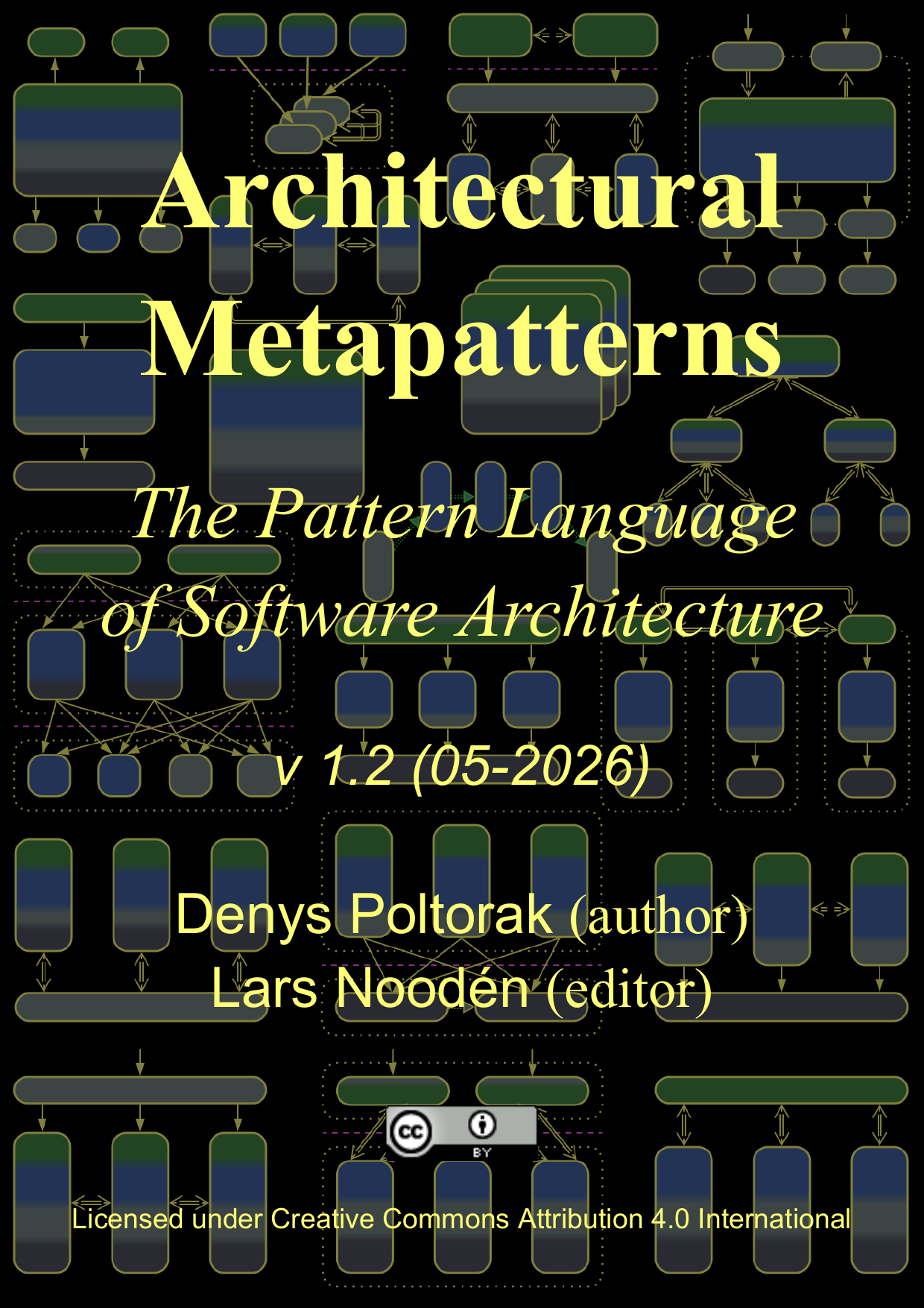
Why it matters — Engineers often select patterns in isolation, unaware of how they interact or evolve. This compendium provides a unified taxonomy that reveals trade-offs and common failure modes across pattern families. If the classification holds, it could reduce the trial-and-error cost of large-scale system design.
Why it matters — Contrails contribute to short-term atmospheric warming, and this trial tests whether AI-driven rerouting can mitigate the effect without major infrastructure changes. If successful, it could offer a scalable, low-cost intervention for aviation’s climate impact.
Why it matters — This release shifts the competitive landscape for large language models by offering a high-parameter, open-weight alternative to closed proprietary systems. Engineers now face a trade-off between adopting a vendor-backed open model with potential ecosystem support and relying on closed commercial offerings with established tooling.
Why it matters — The 1 M-token context window lets the model ingest much longer inputs in a single pass, reducing the need for manual chunking of large documents. The shift to a Causal Encoder-Decoder design may require engineers to adjust inference pipelines that were previously tuned for decoder-only models. The large 552 billion-parameter backbone implies substantial compute and memory demands, influencing deployment decisions.
Why it matters — If realized, this would be an interstellar mission to the nearest star system with a trajectory generated by AI rather than traditional human-derived orbital mechanics. The material is extremely thin, only one feed carried the story, so the technical specifics, funding status, and feasibility remain unclear.
Why it matters — Shareable templates let users reuse pre-built Grok Bot configurations for common tasks. Stripe Link integration allows bots to process payments directly, supporting transactional workflows.
Why it matters — The CS-4 introduces a new hardware architecture for AI workloads, potentially reducing the need for distributed training setups. Engineers evaluating large-scale AI infrastructure now have an alternative to GPU clusters. The impact on performance, cost, and scalability remains untested in production environments.
Why it matters — Engineers now have a concrete example of vertically integrated high-bandwidth memory for AI accelerators to consider in future designs. The preview also shows Samsung extending its V-NAND expertise to a new NAND flash product and introducing a novel NAND architecture. Early access to these concepts allows teams to begin evaluating potential impacts on system architecture, packaging, and supply chain.
Why it matters — A major gaming publisher is redirecting capital toward AI and robotics in the Indian market, signaling where non-AI-native companies are placing expansion bets. For engineers in India, this could mean new funding flowing into AI and robotics teams or acquisitions rather than purely game development.
Why it matters — The round provides capital to advance a spacecraft platform intended for orbital data centers and AI computing. Google’s participation suggests strategic interest in space-based compute, which could affect future architecture decisions. Engineers should consider the implications of funding levels and partner involvement when evaluating emerging space compute platforms.
Why it matters — Long-duration space missions pose severe risks to crew health and life-support systems. A nuclear propulsion design could mitigate these risks by cutting transit time. If viable, this would shift the feasibility calculus for interplanetary travel.
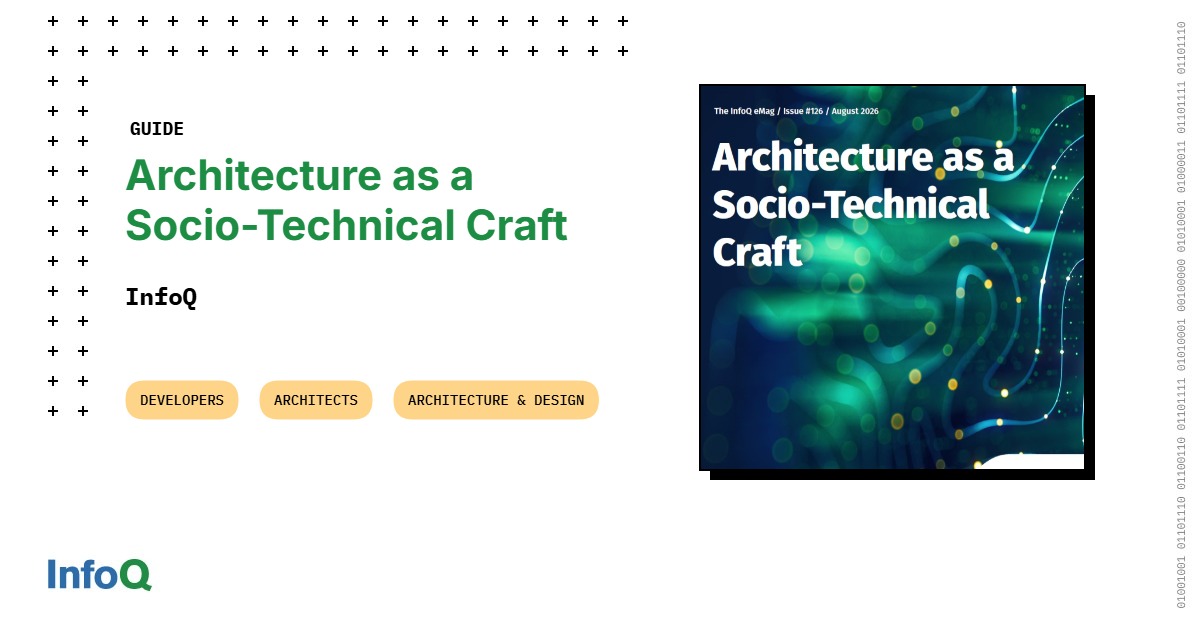
Why it matters — Engineers must treat architecture as a living, socio-technical craft because fitness is a moving target shaped by regulation, competitors and new technology. The eMag offers concrete patterns, such as fitness functions in CI/CD and AI gateways, to keep systems stable as they evolve, helping teams avoid hidden decay.
Why it matters — Regulations like the EU Data Act and NIS-2 now demand proof of operational sovereignty, not just data residency. Platform teams must demonstrate jurisdictional control over every component that touches tenant data, including control planes and logs. This architecture provides a verifiable way to isolate and audit those boundaries.
Why it matters — AI data centers are pushing legacy grid infrastructure beyond its design limits, risking cascading outages. The problem is architectural, not just supply-based, requiring redesigns to handle volatile, high-scale compute loads. Without changes, interconnection bottlenecks and reliability risks will worsen as AI demand grows.
Why it matters — This method could reduce the labor and cost of ecological surveys while improving detection of invasive or endangered species. If synthetic webs prove viable, they may offer a scalable, non-destructive tool for conservation efforts.
Why it matters — For engineers building agentic systems, this approach offers a way to enforce deterministic outcomes and auditability in high-stakes decisions, bridging the gap between LLM flexibility and business rules. It suggests a pattern where business logic is owned by decision models while engineers maintain governance, potentially reducing the risk of unpredictable AI behavior in production.
Why it matters — The project demonstrates extreme memory optimization by fitting a game originally recommending 2GB of RAM into the PlayStation 2's 32MB. It serves as a technical case study in porting Java source code to native C++ for legacy hardware.
Why it matters — The talk shows how a business-driven expansion forces incremental architectural change rather than a clean-slate redesign. Engineers can see concrete tradeoffs in payment routing, regulatory handling, and system decomposition that are directly applicable to scaling their own services.
Why it matters — GraphQL mocking tools are proliferating without a unified spec, forcing engineers to choose between incompatible approaches. The divergence complicates adoption and maintenance, as teams must reconcile competing designs for the same problem. This fragmentation risks locking teams into vendor-specific or tool-specific workflows before the spec stabilizes.
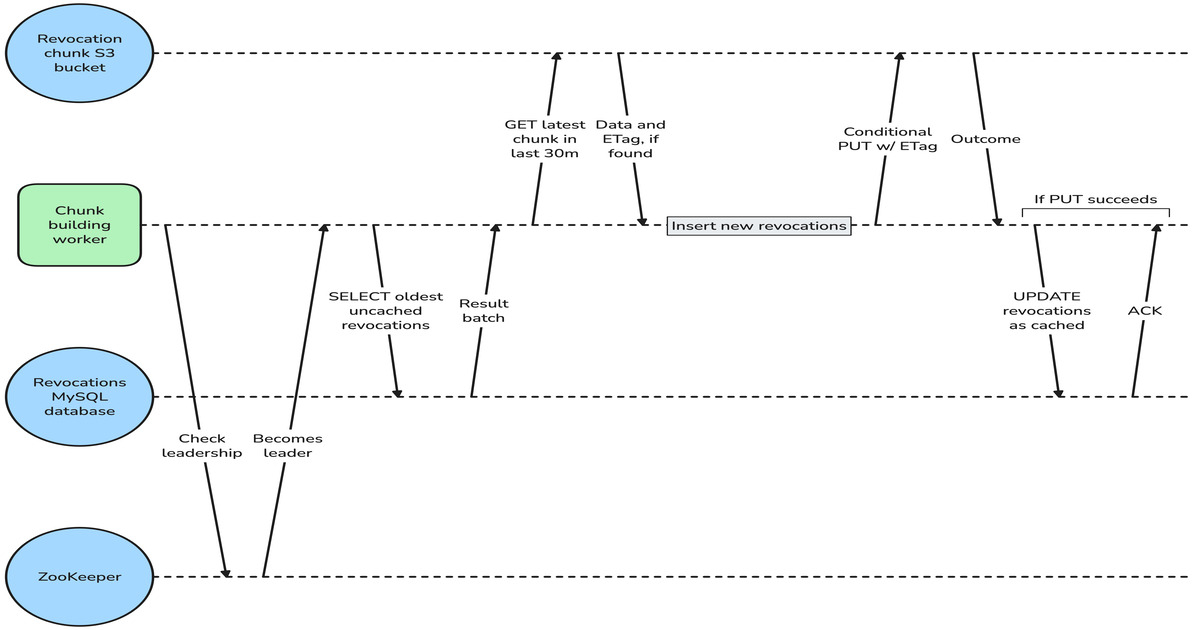
Why it matters — Engineers running authentication at scale can now consider S3 as a durable, low-cost store for revocation data instead of adding another database tier. The shift removes a deployment bottleneck and cuts memory use, but requires careful chunking and concurrency control. Teams must weigh the operational simplicity of S3 against the complexity of managing in-memory indexes across many gateways.
Why it matters — This approach abstracts away network latency by treating client-server communication as a reactive sync loop rather than imperative fetch calls. Engineers building collaborative or real-time applications can eliminate loading states and simplify state management by adopting query-driven sync instead of manual data fetching.
Why it matters — Engineers building low-latency data pipelines often add proxy services for routing or multi-tenant isolation, but those proxies consume extra CPU cycles and inflate tail latency, increasing the risk of large outages. Switching to a direct-access Valkey design eliminates those hidden costs, delivering faster responses, higher resilience, and lower infrastructure spend. The trade-off is a redesign of the data-access layer and the loss of any proxy-provided functionality.
Why it matters — For an engineering organization that has split into multiple service teams, the practical question is where cross-cutting capabilities such as security, observability, build, and deployment live and who pays the cognitive cost. The presentation recasts that question as a pattern selection problem rather than a tooling purchase, which matters because platform engineering teams are now a budget line and an org-chart shape, not just an internal library. Only InfoQ carried this event, so the framing below rests on a single source and should be read as a summary of that source's account rather than independently corroborated coverage.
Why it matters — Only one feed is carrying this story and the available material is limited to a headline and a single summary sentence, so corroboration is absent. Engineers evaluating open-weight MoE models now have a new option to benchmark, but concrete details on parameters, licensing terms, and performance are not available in the provided material.
Why it matters — Deterministic fitness functions already guard measurable invariants like dependency direction and latency budgets, but they cannot judge whether a changed service interaction is intentional collaboration or accidental coupling. Agentic fitness functions fill that gap by returning structured verdicts with scores, confidence levels, and escalation guidance, giving teams continuous feedback on concerns that previously required periodic manual review. The approach explicitly keeps deterministic gates as the primary enforcement mechanism and escalates low-confidence or high-blast-radius outcomes to humans.
Why it matters — Duplicate infrastructure increases maintenance overhead and can fragment operational practices. Teams debating whether to rewrite or refactor must weigh the hidden cost of duplicated services against the promise of a cleaner architecture. Understanding this tension helps engineers plan realistic migration paths and avoid unnecessary rebuilds.
Why it matters — As AI systems become more autonomous, architects cannot treat design as static or retrofit AI into procedural workflows. The trust deficit around AI-generated code demands stronger architectural oversight and validation practices that account for non-deterministic behavior.
Why it matters — This decision limits the fair report privilege for publishers who add claims beyond what appears in the government proceedings they cite. The actual malice finding, based on a publisher retracting statements and then republishing them two weeks later, creates clear exposure for publishers who fail to remove defamatory content across all formats after acknowledging inaccuracy.
Why it matters — The guidelines signal Microsoft’s intent to shape AI development norms without binding itself to measurable outcomes. For engineers, this creates a framework that may influence design decisions but lacks accountability for failures. The absence of enforcement contrasts with customer-facing AI usage policies, which carry real consequences.
Why it matters — For teams weighing whether to move mobile UI to web rendering, this is a production case at massive scale, hundreds of screens, hundreds of developers, thousands of metrics, rather than a prototype. The talk addresses the practical costs: edge cases in Apple's and Google's sandboxes, migration sequencing, and the infrastructure needed to avoid the performance and UX pitfalls that have historically made cross-platform mobile stacks unreliable.
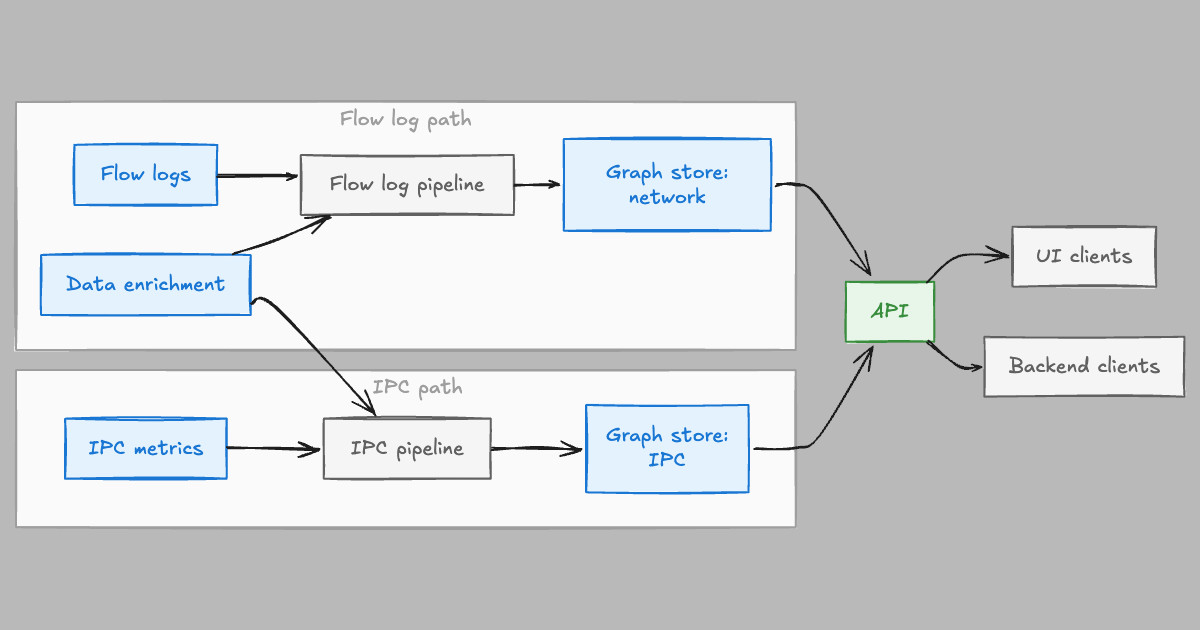
Why it matters — For teams running their own dependency-mapping or graph-from-telemetry systems, the interesting decisions are not Netflix's but the trade-offs they imply: trading freshness for completeness, replacing gRPC streaming with SSE under heavy backpressure, and using consistent hashing against a service registry to avoid a rebalance protocol. Only one feed carried the story, so the framing should be treated as Netflix's own engineering narrative rather than independent reporting.
1 feed
4 min
9064
new
Architecture/
Rock Paper Shotgun Latest Articles Feed
/
Why it matters — Engineers working on Blizzard titles will need to adapt to an open-world shooter format after years of RTS focus, requiring different gameplay systems and AI considerations. The early announcement of Diablo 5 and WoW: Forever signals longer development windows and a push for continuous content pipelines. Teams must plan for staggered releases across 2029-2030 while maintaining live-service support for existing titles.
Why it matters — Architectural choices that improve performance may simultaneously make AI systems harder to inspect and audit. If monitorability degrades faster than expected, safety and debugging efforts could be working blind.
Why it matters — The case illustrates how social engineering operations targeting high-net-worth cryptocurrency holders can extract enormous sums from single victims, with attackers using technology to trigger account access alerts on target devices. The gang's fallback to physical burglaries when digital attacks failed demonstrates how determined threat actors blend cyber and physical intrusion methods.
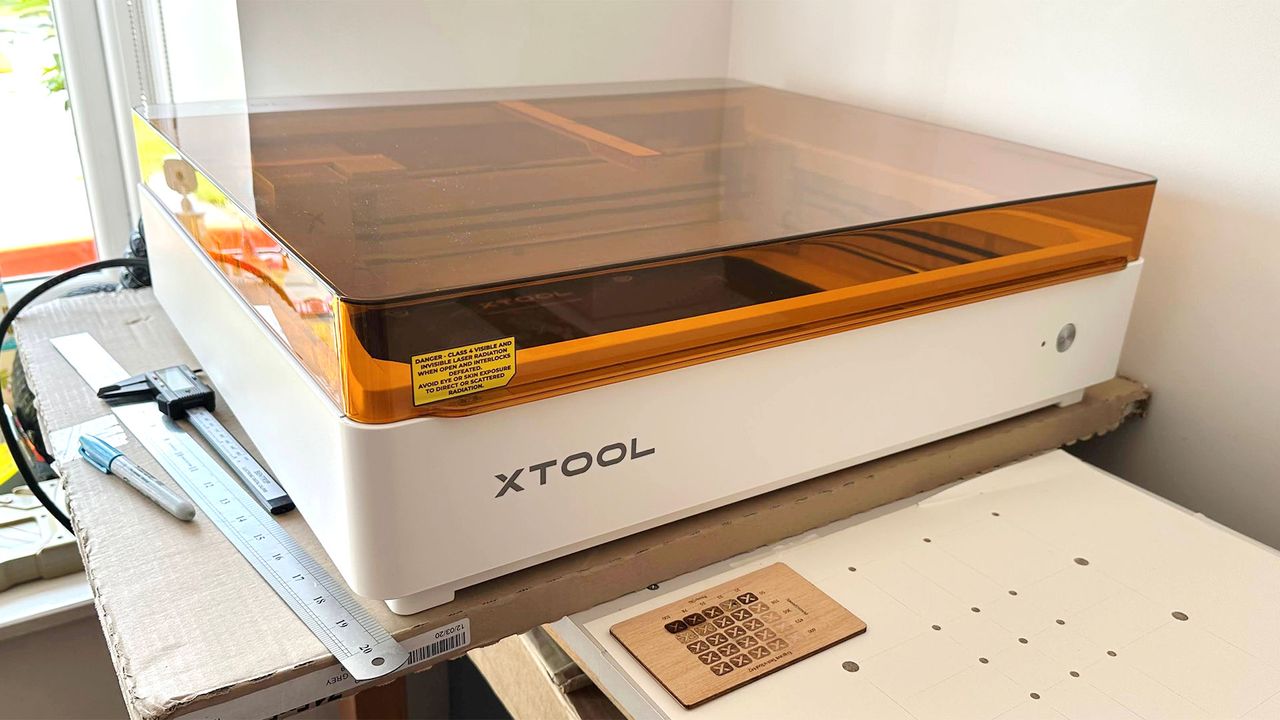
Why it matters — For engineers and makers, the M2 shifts the trade-off: lower upfront cost but higher consumable expense, and a narrower material range without the blade. The integrated cameras and air assist simplify workflows, but the non-refillable ink cartridges and flimsy clamps may limit production use.
Why it matters — These changes give textlog users user-scoped pinned content and an unpublish workflow, improving control over post visibility and profile presentation. The vocaroo integration enables audio embedding without self-hosted infrastructure, though it creates a dependency on an external service.
Why it matters — A working auto-grow solution lets textarea height adapt to user input without manual resizing, improving the editing experience. However, developers cannot add live character counters or progress indicators because they are impossible under the current constraints, so UI feedback must rely on the hard 500-character limit. Accepting the limit reduces the need for additional UI elements but may affect applications that previously displayed character usage.
Why it matters — This material is a personal social media exchange and contains no substantive engineering change, product update, or technical development. It offers no actionable information for engineers building or operating software.
Why it matters — The proposal would collapse distinct genus categories that have structured human evolutionary research for decades into a single expanded Homo genus. If adopted, it would reduce the need for repeated reclassification as new fossils emerge, but it would also require rewriting the taxonomic framework that underpins how human ancestry is taught and discussed.
Why it matters — This incident highlights the fragility of critical infrastructure reliant on certificate management. Even non-flight systems can fail visibly when basic maintenance is overlooked, compounding broader operational disruptions. Engineers should note how certificate expiration can surface in unexpected places during outages.
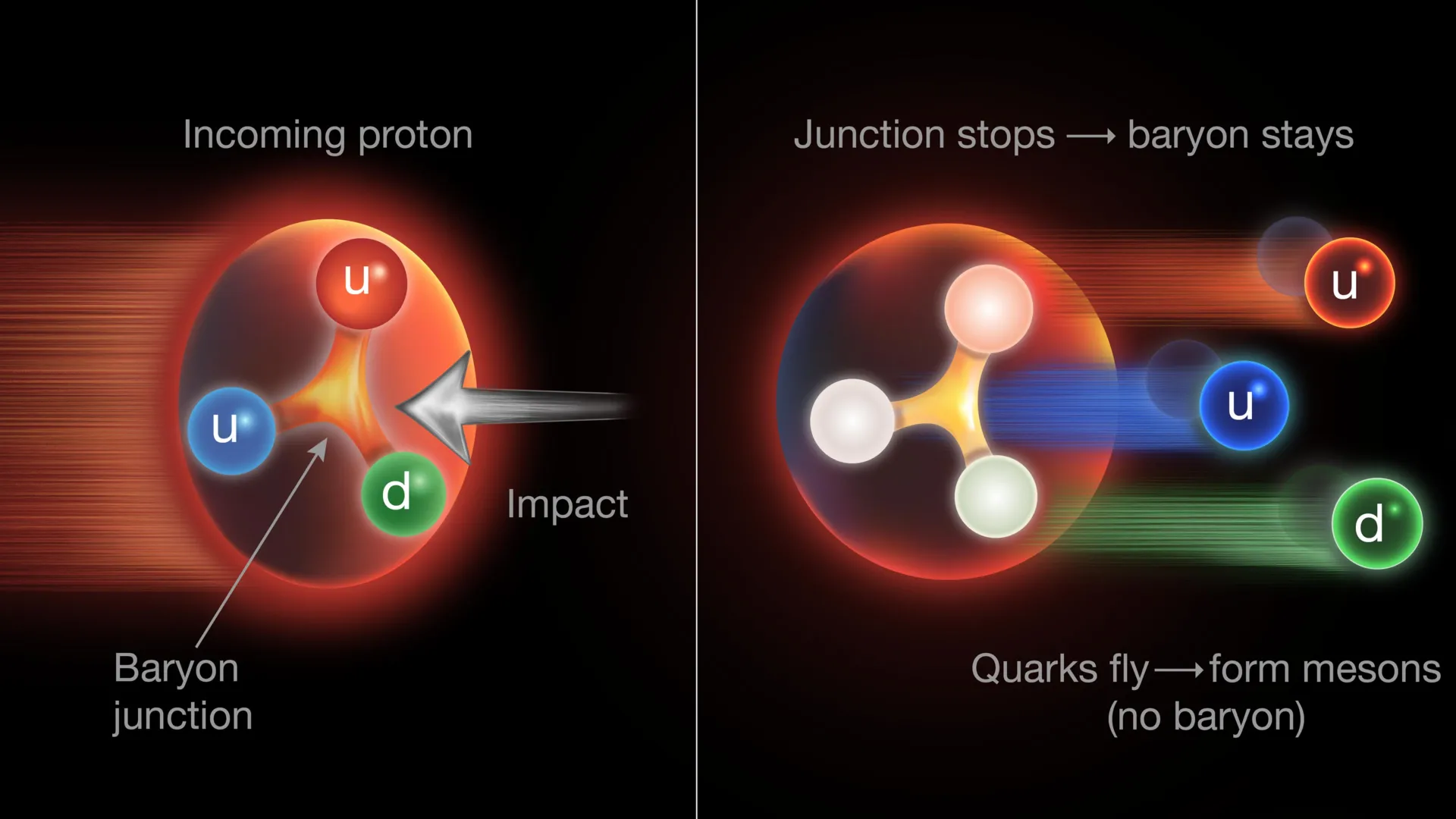
Why it matters — If confirmed, this would overturn the long-held assumption that each valence quark carries one-third of a proton's baryon number. It could also help explain why protons are so stable and why matter dominates antimatter in the universe.
Why it matters — Degraded GraphQL API performance can increase latency for applications that rely on those queries, potentially slowing down user-facing features. A rise in error rates may cause failed requests, requiring clients to handle retries or fallback mechanisms. Until the issue is resolved, engineers must account for reduced reliability in their integration designs.
Why it matters — Engineers building or operating U.S. data centers may face supply chain disruptions if the ban takes effect. Existing Chinese transceivers could remain in use, but upgrades or expansions would require alternative suppliers, likely at higher costs. The move also signals broader scrutiny of hardware provenance in critical infrastructure.
Why it matters — The finding challenges the reliability of a canonical historical record, showing that official lists can omit inconvenient rulers. For engineers, it's a reminder that any system of record may have biases and gaps that require cross-checking with primary sources.
Why it matters — The operation combined impersonation of major platforms like Google and Coinbase with physical break-ins, showing that even hardware wallet storage was defeated when attackers escalated to burglary. Laundering flowed through exchanges with lax KYC requirements, highlighting a persistent gap in compliance infrastructure.
Why it matters — The reversal illustrates how costly and difficult clean-core SAP migrations remain for large enterprises with decades of accumulated customization. With mainstream support for ECC ending in 2027, organizations still on R/3 or ECC face mounting pressure to move but may find brownfield approaches more realistic than full reimplementation.
Why it matters — This change complicates VM migrations to rival platforms, as VDDK was widely used in third-party tools. Smaller integrators and open-source projects face disruption, while larger vendors with partner agreements retain access. The move aligns with VMware’s broader licensing shifts but risks alienating users already evaluating alternatives.
Why it matters — Low Earth orbit debris travels at 7 to 8 km/s and collision risks are rising as satellite constellations grow, making better passive shielding a practical necessity for spacecraft survivability. The design is still simulation-stage and adds weight, so its real-world viability remains unproven.
Why it matters — The research demonstrates that emotional patterns from childhood criticism are more modifiable than assumed, and that brief interventions can produce durable change. The finding that surprise enhances therapeutic effectiveness through prediction error provides a concrete mechanism for practitioners to leverage.
Why it matters — Engineers rebuilding interfaces often verify completeness by comparing old and new designs as screenshots, but this method cannot confirm that interactive behaviors and edge-case handling survive the transition. The result is invisible regression, where years of use-case-driven refinements disappear without anyone noticing.
Why it matters — Engineers building creator tools now face a new baseline for in-app editing convenience. The feature reduces the friction of starting a Reel, which may shift user expectations for similar products. It also signals Instagram’s intent to keep video production within its own app rather than third-party editors
Why it matters — If successful, this approach could eliminate the need for refueling or recharging in long-duration aerial missions, enabling persistent maritime surveillance or other applications. However, the concept remains unproven in real-world conditions, with significant technical hurdles in energy extraction and low-altitude flight stability.
Why it matters — The additional funding expands Krafton’s presence in India’s market of more than a billion internet subscribers and more than 700 million smartphone users. It builds on prior investments in gaming studios and non-gaming ventures, including the KIGI Academy talent program, to create more opportunities for engineers working on AI, robotics, and deep tech projects in the region.
Why it matters — Engineers who build or operate distributed AI systems now face traffic patterns that legacy networks cannot efficiently route or scale. The mismatch forces either costly over-provisioning or performance bottlenecks that degrade inference latency and model accuracy.
Why it matters — The record demonstrates advanced audio-engineering techniques such as layered sampling, precise hi-hat sequencing, and dynamic mixing, offering a concrete reference for sound designers. Engineers building music-production tools can study how nostalgic elements are balanced with tight rhythmic structures to achieve a grounded yet experimental feel.
Why it matters — Engineers must account for a new graphics mode that is enabled by default and understand its limitations in certain play modes. The upgrade path implies work on data migration and entitlement handling for existing players. Uncertainty around Joy-Con 2 mouse controls means input systems should stay adaptable.
Why it matters — Engineers must now design helm displays that support smartphone mirroring while meeting marine durability standards. The integration adds a layer of software dependency on Savvy Navvy for charts, routing, and live traffic, requiring reliable phone connectivity and potential premium subscriptions. It also opens the possibility of aftermarket retrofits, as the app can run on any compatible marine head unit.
1 feed
2 min
⌕
Top stories right now
↑↓ navigate↵ open cluster⌘K close
Your choice, no tricks. We use optional Google analytics and advertising cookies to understand what helps and to fund the site.