pulumi-keycloak 6.14.0a1790316376
Why it matters — Only one feed elseif tracks has carried this so far, so there is no independent corroboration yet. Read it as a single-source report.
TOPIC
Provider launches, pricing changes, and platform lock-in. What a managed service really costs once traffic is real, and where the exits are if you decide to leave.
PLATFORMS
Why it matters — Only one feed elseif tracks has carried this so far, so there is no independent corroboration yet. Read it as a single-source report.
Why it matters — This update allows users to manage Harness resources more effectively within their Pulumi infrastructure as code projects. The integration may streamline workflows and enhance automation for teams using both tools.
Why it matters — This release provides an updated tool for managing Kafka resources through Pulumi. Engineers can leverage this package to streamline their infrastructure as code practices, making Kafka management more efficient.
Why it matters — This release provides developers with tools to manage cloud resources in hcloud using Pulumi. It streamlines infrastructure management, allowing for more efficient deployment and management of cloud services. Understanding the capabilities of this package can enhance cloud project workflows.
Why it matters — This release indicates ongoing development in the integration of Pulumi with Databricks, which can streamline cloud resource management. For engineers, using Pulumi can simplify infrastructure as code practices. This can lead to more efficient workflows in managing data processing and analytics resources in the cloud.
Why it matters — This shift signifies a strategic realignment in how Microsoft manages its communications, emphasizing a closer relationship with corporate affairs. By placing communications under Brad Smith, Microsoft aims to enhance its messaging and engagement in a complex media landscape, potentially improving stakeholder relations.
Why it matters — Lightspeed's new fund signals a strategic pivot towards AI investment in India, reflecting growing confidence in the sector's potential. By aligning its regional fundraising with global efforts, Lightspeed aims to streamline operations and enhance focus on promising early-stage AI startups.
Why it matters — This release provides a way for developers to manage cookie consent configurations programmatically. It enables integration of consent management within infrastructure as code workflows, which is increasingly important for compliance with data privacy regulations.
Why it matters — The release of pulumi-newrelic 5.78.0 enhances the management of New Relic resources through Pulumi. This update could streamline workflows for engineers using Pulumi to manage their cloud infrastructure and observability tools. Keeping up with the latest versions ensures access to new features and improvements.
Why it matters — This update to the pulumi-confluentcloud package allows users to more effectively manage cloud resources in Confluent's environment. As cloud infrastructure continues to evolve, maintaining current package versions is essential for compatibility and security.
Why it matters — This update expands the functionalities of the multi-cloud blob storage client. By integrating with Google Cloud Storage, it allows developers to manage storage across different cloud platforms seamlessly. This enhances flexibility and reduces vendor lock-in for applications that rely on cloud storage solutions.
Why it matters — The integration of Muse into Meta's smart glasses signifies a step towards more interactive and accessible wearable technology. The addition of voice-activated features can enhance user experience by providing hands-free assistance in daily tasks. This shift highlights the growing trend of AI integration in consumer tech, particularly in wearable devices.
Why it matters — This release could improve the way developers interact with AWS Lambda MicroVMs using Python. It simplifies deployment and management of serverless applications. Enhanced tools can lead to increased efficiency in development workflows.
Why it matters — Both AirPods 5 models now include ANC, eliminating the split between ANC and non-ANC versions that defined the AirPods 4 lineup. The higher-end model adds on-stem swipe controls for volume adjustment, a first for Apple's open-ear design, and extends battery life to five hours, while dropping $30 from the previous generation's price. For engineers working with audio hardware or wearable platforms, the convergence of features into a unified ANC product line and the new stem-interaction model are the notable design shifts.
Why it matters — For engineers evaluating LLM options, GLM-5.3-Flash introduces native multimodality to the GLM-5 series at a claimed one-tenth the price of GLM-5.2. If the performance claim holds, it could lower the cost of multimodal inference. However, the claim is unverified and requires independent testing.
Why it matters — Only one feed elseif tracks has carried this so far, so there is no independent corroboration yet. Read it as a single-source report.
Why it matters — The introduction of haptic feedback in the Surface Mouse enhances user experience by providing tactile responses during interactions, making tasks like clicking and dragging more intuitive. This feature could improve productivity for users who engage with compatible applications, particularly in creative fields. Additionally, the customizable action button allows for quick access to frequently used functions, potentially streamlining workflows.
Why it matters — Independent Platforms feeds picked this up separately, which is the signal elseif ranks on. Open the cluster below to compare how each feed framed it.
Why it matters — The Ultra 4's S11 chip is positioned to run the upcoming Siri AI assistant in watchOS 27, making on-device AI features like Recaps possible. Battery life improvements and more frequent heart rate readings change how the watch can be used for all-day health tracking. The new Hermès model adds a premium option at a higher price point.
Why it matters — The variable aperture camera with manual controls for shutter speed, aperture, white balance, and histogram pushes mobile photography closer to dedicated camera functionality, which matters for any app processing or capturing images. The A20 Pro chip and redesigned vapor chamber address thermal constraints that affect sustained workloads on mobile hardware. The $100 price increase on both models raises the cost barrier for developers and teams deploying on Apple's latest platform.
Why it matters — Engineers gain a more adaptable privacy layer that can be activated per app and tied to contextual cues, reducing accidental data exposure without manual toggling. This shift moves privacy controls from a static toggle to an automated, context-aware feature, affecting how developers design secure UI interactions.
Why it matters — The Steam Frame enters the standalone VR market at a premium price, offering both local and PC-streamed gameplay. The lottery-based purchase system and separate accessory costs mean the real entry price is higher than the headline figure.
Why it matters — The fleet surge illustrates how Waymo is betting on a cost-saving vehicle architecture to accelerate scale, but tariff-driven import costs threaten the economics of that strategy.
Why it matters — This change simplifies the integration of REST APIs with AI agents, reducing the need for additional infrastructure. It allows teams to expose existing APIs as MCP tools quickly, streamlining development and deployment processes.
Why it matters — This admission contradicts the companies' fair use defense in the ongoing lawsuit. It highlights the potential economic impact on publishers and the ethical concerns around AI training data. Engineers working on AI models should be aware of the legal and ethical implications of data scraping practices.
Why it matters — This behavior persists without user awareness or consent, raising concerns about data privacy and security. Engineers building or integrating smart devices must account for unexpected data collection even in low-power states.
Why it matters — If AI generates most of the code, the engineer’s job shifts to reviewing, securing, and evolving systems. Go’s strict compiler, built-in toolchain, and compatibility guarantees reduce the cost of that shift. The claim is uncorroborated by other feeds, so treat it as a vendor perspective rather than an industry consensus.
Why it matters — The swap gives Xbox a high-profile title from a celebrated creator and deepens its existing partnership with Kojima Productions, which already has OD in the works. For PlayStation, it marks a rare loss of a marquee project, though Sony insists the relationship remains strong. The move also signals that Kojima's next big game will be published by Xbox, with a launch not expected until at least 2030.
Why it matters — Engineers building integrations with Amazon’s order data will need to update parsers and workflows to handle the new, less descriptive email format. The change also signals a broader shift: platforms are increasingly treating user data as proprietary, which may complicate third-party automation or analytics tools that rely on email scraping.
Why it matters — Smart TV data collection practices directly impact user privacy and trust in consumer electronics. LG’s response highlights the tension between functionality and transparency in embedded systems. Engineers must weigh feature design against potential misuse or unintended data exposure.
Why it matters — This stance challenges the control frontier AI labs exert over their models and could reshape the balance between proprietary and open-weight AI development. For engineers, it raises questions about legal risks, model transparency, and the long-term viability of open alternatives.
Why it matters — This release indicates ongoing development and support for integrating deep learning capabilities with Azure. It provides developers with a standardized method to interact with Azure services in the context of deep learning. As cloud computing continues to grow, such integrations are essential for streamlining workflows and improving productivity.
Why it matters — This feature addresses long-term game preservation and accessibility, reducing reliance on physical media. It also signals a shift toward digital ownership models, though publisher restrictions may limit initial support. Engineers should note the technical constraints and account-based entitlement system for integration planning
Why it matters — This repurposes an iOS privacy API intended for masking sensitive input to instead watermark screenshots with branding. The technique is well-established and used by Telegram and Signal for legitimate privacy purposes, but applying it for branding drew mostly negative reactions in the discussion thread before it was locked.
Why it matters — AI Gateway provides a unified API for calling models, tracking usage and cost, and configuring retries, failover, and performance optimizations for higher-than-provider uptime. It reflects provider pricing with no markup and does not charge a platform fee on inference, including BYOK requests. Engineers can therefore use the model for long-horizon coding, document analysis, game development, and scientific reasoning while benefiting from gateway-level observability and reliability.
Why it matters — This ruling underscores the legal consequences of distributing pirated software and reinforces the importance of intellectual property rights. It sends a strong message to online platforms about the potential liabilities associated with user-generated content that violates copyright laws.
Why it matters — The upgrade to Snapdragon X2 Plus chips offers significant performance and efficiency gains for users of these devices. However, the price increase and lack of a base model may limit accessibility for some customers.
Why it matters — For engineers building on Apple platforms, this event signals a leadership change and potential new hardware form factors, including a foldable iPhone. The reported delay of the base iPhone 18 and possible price increases on Pro models could affect upgrade cycles and device testing. The return of ceramic Apple Watch and new health sensors may also impact wearable development.
Why it matters — Nexterity's innovation addresses safety concerns and productivity issues in the pipefitting industry. By automating the physically demanding task of bolting, it can help mitigate injuries and labor shortages. This could lead to significant changes in how piping infrastructure is maintained across various sectors.
Why it matters — The reported name, price and ship window give the first concrete picture of Apple's foldable entry just hours before its official reveal. Engineers building for iOS or iPad should note the expected side-by-side app behavior and Apple Pencil support, which together imply a new UI surface neither standard iPhone nor iPad currently demands. With only one feed carrying the report, however, every detail remains a rumor until Apple's announcement.
Why it matters — Developers building on Xbox Cloud Gaming must account for usage caps that will change player behavior and testing scenarios. The shift from unlimited to metered cloud playtime alters cost assumptions for services that depend on cloud streaming, while the new pay-as-you-go option broadens access but introduces variable demand.
Why it matters — Developers working with large AI models locally gain a streamlined Windows environment that reduces setup friction and cloud dependency. The hardware requirement and curated toolset suggest a shift toward specialized workflows rather than general-purpose computing
Why it matters — This is a single-source report with limited engineering detail. The price increase is attributed to component shortages affecting multiple hardware categories, but no technical specifics about the device or supply chain are provided. For engineers, the signal is that component cost pressure continues to propagate into consumer hardware pricing across competing platforms.
Why it matters — It gives developers a familiar email-like interface to monitor and interact with background AI agents. Being open-source allows teams to inspect, modify, and extend the inbox to fit their workflows. This can reduce the learning curve when integrating agent management into existing toolchains.
Why it matters — Feather's modular robotic system aims to provide a cost-effective and adaptable solution for developers, enabling practical applications in various industries. By focusing on a customizable approach, Feather hopes to fill a gap in the U.S. market for humanoid robotics, potentially altering the landscape of automation in labor-intensive roles.
Why it matters — The introduction of camera-free AI glasses aims to address privacy concerns associated with previous models. By focusing solely on audio functionality, Meta could attract a broader user base while mitigating reputational risks. This shift may redefine consumer expectations for smart eyewear in terms of both form factor and feature set.
Why it matters — This expansion requires navigating Singapore's specific regulatory framework, including mandatory safety assessments at CETRAN. It signals a strategic pivot toward international markets where domestic US regulatory hurdles have stalled growth in major cities.
Why it matters — Only one feed elseif tracks has carried this so far, so there is no independent corroboration yet. Read it as a single-source report.
Why it matters — Engineers already calling deepseek/deepseek-v4-pro through AI Gateway get the new weights on their next request with no action required, which is convenient but also means a silent model swap. Vercel positions AI Gateway pricing as pass-through with no markup and no platform fee, including on Bring Your Own Key traffic, so cost-sensitive teams can compare against direct provider billing without a hidden surcharge.
Why it matters — This penalty signals that connected-vehicle data collection is under regulatory scrutiny, and engineers must design for data minimization and clear consent rather than burying collection in service agreements. The ruling also highlights the gap between consumer expectations and the opaque data flows in modern cars, which affects anyone building telematics or connected services.
Why it matters — This practice highlights the extreme measures platforms are taking to secure proprietary training data for AI models. For engineers, it signals the growing scarcity of high-quality, non-synthetic text data and the ethical and logistical challenges of sourcing it. The destruction of rare books may also provoke legal or reputational risks for companies involved.
Why it matters — Independent Platforms feeds picked this up separately, which is the signal elseif ranks on. Open the cluster below to compare how each feed framed it.
Why it matters — For engineers building foldable hardware, the Pixel 11 Pro Fold shows that iterative upgrades without addressing the crease and thickness may not keep pace with competitors. The $100 price hike with no storage bump also signals a shift in value. Google's focus on software features like Bubbles may not compensate for the dated physical design.
Why it matters — Leadership instability at Automattic creates operational risk for WordPress, Tumblr and other properties it owns. The abrupt reversal suggests unresolved governance tensions that could resurface. Engineers relying on these platforms may face shifting priorities or delayed decisions until the situation stabilises
Why it matters — Engineers can now integrate image understanding into applications without switching API conventions. The model handles common formats and offers three ingestion methods, but token costs scale with image size. This lowers the barrier to multimodal features in existing OpenAI-based workflows.
Why it matters — The model is accessible via a unified API that tracks usage, cost, and performance without added platform fees. It supports Bring Your Own Key, letting teams use their own credentials while still benefiting from AI Gateway’s routing and retry features. Vision capability lets engineers ask questions about screenshots, charts, or other visual content directly in a single request.
Why it matters — Lambda MicroEgg enhances the functionality of egraphs by integrating features like built-in binders and higher-order patterns. This can improve the efficiency and capabilities of applications relying on complex data transformations and manipulations. The tool's performance metrics suggest it is a viable option for certain computational tasks despite being slower than some alternatives.
Why it matters — This gives Android users a first-party tracker with dual precision-tracking technologies, but the advanced features require recent hardware, UWB needs Pro model phones since the Pixel 6, and Channel Sounding needs Pixel 10 or later.
Why it matters — Siri AI marks Apple’s first major AI assistant upgrade, but its beta status and language limitations may restrict immediate adoption. Engineers integrating Siri APIs will need to account for phased rollouts and potential instability in production environments.
Why it matters — The app brings Meta AI to the desktop as a productivity tool, placing it alongside existing desktop apps from Google, OpenAI, and Anthropic. Its integrations with Instagram, Facebook, and Meta ad campaigns give it a business-analytics angle that general-purpose rivals lack.
Why it matters — For engineers building camera-dependent iOS apps, the variable-aperture lens with selectable stops and manual controls in the native camera app changes what capture parameters are user-adjustable at the hardware level. The smaller Dynamic Island supporting three simultaneous Live Activities affects how background-task UI should be designed. Only one feed carried this story, so details are limited to a single hands-on account.
Why it matters — This acquisition allows Databricks to integrate a familiar spreadsheet interface with its AI capabilities, making data manipulation more accessible for business analysts. It also reflects Databricks' aggressive growth strategy through acquisitions, strengthening its market position in data analytics and AI. The combination of Row Zero and Databricks' technology aims to improve data security and usability for enterprises.
Why it matters — This feature allows users to organize and visualize their wardrobe digitally, enhancing user experience through AI. It addresses the growing trend of integrating AI technology into everyday applications, making personal organization more accessible for users across various demographics.
Why it matters — This event provides a focused environment for founders to learn from experienced entrepreneurs and investors, addressing the critical aspects of building and scaling startups. The insights gained can lead to better decision-making and strategic planning for attendees, which is essential for navigating the challenges of entrepreneurship.
Why it matters — The high valuation reflects strong investor confidence in AI voice technology's future. ElevenLabs' position as a leader in this space indicates the increasing integration of AI in customer service and other applications. Understanding the competitive landscape is vital for engineers working on AI-driven solutions.
Why it matters — This change in terminology reflects a shift in how artificial intelligence is perceived and discussed at a governmental level. It may influence public sentiment and policy-making regarding AI technologies. The declaration raises questions about the implications of such a rebranding on regulatory and operational aspects of AI development.
Why it matters — The removal of the camera in Meta's smart glasses is a significant response to privacy backlash against surveillance technology. By focusing on audio features instead, these glasses may appeal to a broader audience who are wary of being recorded. The shift could redefine how users perceive and use wearable technology in public spaces.
Why it matters — The expanded judging panel brings diverse expertise in AI, enterprise software, healthcare, and climate technology to the competition. Founders will face more rigorous evaluation from investors with distinct sector focuses, potentially influencing which startups receive funding and visibility. The panel's composition signals TechCrunch's emphasis on deep technical and market expertise in early-stage investments.
Why it matters — This lawsuit reflects ongoing tensions between state and federal regulatory frameworks regarding prediction markets. The outcome could set significant precedents for how such platforms are governed, potentially impacting their operational models across various states.
Why it matters — As AI technology increasingly integrates into critical systems, understanding failure modes becomes essential for safety and reliability. The conversation at TechCrunch Disrupt 2026 highlights the importance of rigorous testing and validation in high-stakes environments. Insights from leaders in autonomous systems will help engineers navigate the complexities of deploying AI responsibly.
Why it matters — Meta AI is integrated across Facebook, Instagram, WhatsApp, and Messenger, and it proactively surfaces suggested prompts beneath posts, meaning prompt design is itself a product surface, not just a model behaviour. The episode shows that suggested prompts can drive aggregation of personal information across a user's posts and their relatives' posts, including content the user believed they had deleted. Meta's response fixes the prompt-suggestion layer while leaving the underlying aggregation behaviour intact, which is the more consequential part for anyone evaluating the assistant.
Why it matters — Engineers integrating Flock’s platform must now enforce mandatory case-code entry and configure automatic Audit Assistance alerts, adding validation steps to search workflows. The shortened retention window and new Evidence Mode require adjustments to data-storage pipelines and archival policies. Granular sharing controls shift responsibility to system administrators to define fine-grained access rules, increasing configuration complexity but reducing the risk of bulk data abuse.
Why it matters — The withdrawal ends the immediate legal dispute, but the underlying allegation highlights the risks of using third-party data without explicit permission. For engineers, this is a reminder to verify data licensing terms before building products that rely on external data feeds.
Why it matters — This ruling gives states legal authority to treat prediction markets as gambling operations subject to state regulation, which could force platforms to comply with patchwork state gambling laws or exit certain markets entirely. With related lawsuits pending and legal experts expecting Supreme Court review, the regulatory status of prediction markets remains unsettled.
Why it matters — This growth highlights the increasing adoption of Lovable's platform among enterprise users, particularly within Fortune 500 companies. The significant revenue milestone indicates a strong market demand for its vibe coding capabilities, potentially influencing future investments and innovations in the sector.
Why it matters — Ando's approach aims to redefine how AI agents interact in workplace communication, providing a dedicated platform for both humans and agents. This could streamline workflows by reducing the reliance on humans as intermediaries, potentially increasing efficiency in decision-making processes. With growing competition in the messaging app space, Ando's success could influence the future design of collaboration tools.
Why it matters — Yadegari's experiences with Cal AI offer valuable insights into harnessing viral growth, a critical aspect for startups aiming for rapid success. Understanding how to convert initial attention into sustained engagement can significantly impact a company's long-term viability and revenue generation.
Why it matters — This price point for a prebuilt gaming PC offers a cost-effective solution for gamers amidst high component prices. It allows users to access advanced gaming hardware without the hassle of assembly and compatibility issues. The inclusion of a warranty and peripherals adds further value for those looking to game immediately.
Why it matters — The TechCrunch Disrupt 2026 event provides a platform for 200 early-stage startups to showcase their innovations, creating networking opportunities for founders and investors. Attendees can gain insights into emerging technologies and market trends, potentially leading to new collaborations and investments. The ticket savings offer makes it more accessible for tech leaders to participate and explore these opportunities.
Why it matters — Huang's comments highlight a controversial perspective on balancing technological advancement with environmental responsibility. This viewpoint raises ethical concerns about the cost of progress and the potential neglect of immediate climate action. Engineers and policymakers must navigate these complex trade-offs as they develop solutions for a sustainable future.
Why it matters — This change repurposes existing customer hardware for motion sensing, reducing the need for dedicated smart home devices. For engineers, it highlights the growing viability of Wi-Fi-based sensing as a low-cost, scalable solution, but also raises questions about accuracy, privacy, and edge-case reliability.
Why it matters — For engineers handling Twitch data, the new opt-out toggle means a portion of streams will be excluded from Amazon’s training pipelines, shrinking the raw media pool available for model development. At the same time, AI-supported features such as captions, safety tools, and recommendation systems remain operational, so downstream services must continue to process content from opted-in channels while respecting the opt-out flag.
Why it matters — Water and wastewater systems are critical infrastructure with direct public safety implications. These attacks demonstrate how exposed industrial control systems remain, even when physical consequences have so far been limited. The scale suggests opportunistic targeting of low-hanging vulnerabilities rather than isolated incidents.
Why it matters — Engineers building health or productivity apps for wearables must now account for ambient AI features that process speech in real time. The shift toward on-device intelligence without persistent audio storage sets a new baseline for privacy-conscious AI integration, but also introduces constraints on how much context can be retained or analyzed.
Why it matters — This restructuring signals Apple’s prioritization of AI over existing projects, potentially delaying or scaling back features in Siri and Vision Pro. Engineers working on these teams may face role changes or redundancies, while AI-focused teams could see expanded resources.
Why it matters — Only one feed elseif tracks has carried this so far, so there is no independent corroboration yet. Read it as a single-source report.
Why it matters — The refresh is almost entirely software-driven with minimal hardware changes, and most new health features are backward-compatible to Pixel Watch 3 and 4 owners. Breathing Emergency Detection is pending FDA clearance in the US, and Blood Pressure Trends and Insulin Resistance Trends won't be available until September, so the value proposition at launch depends heavily on the Gemini improvements.
Why it matters — For developers and users, installing a third-party app store on Android will become simpler, potentially increasing competition to Google Play. The order forces Google to change its Play Store interface and search behavior within a week, a concrete step in the Epic v. Google remedy phase.
Why it matters — This move aims to attract more creators to Meta's Horizon platform by simplifying game development through AI. By integrating game recommendations within Facebook and Instagram, Meta hopes to increase engagement and visibility for these games. The success of this initiative will depend on the quality of the generated games compared to established platforms like Roblox.
Why it matters — The ruling limits Mastriano's legal options while preserving a reputational claim. It underscores the difficulty of using antitrust or RICO statutes to address academic disputes. The case highlights how scholarly criticism can intersect with political campaigns.
Why it matters — The resemblance between Muse and OpenClaw raises questions about originality and security in AI agent design. Meta claims Muse is built from scratch, but users allege it inherits design elements and potential security flaws from OpenClaw. This situation highlights the importance of transparency and innovation in rapidly evolving tech sectors like AI.
Why it matters — The integration of Jolly into Meta's products raises concerns about user data sharing and privacy. While the cuteness factor may attract users, it could also lead to increased vulnerability in sharing personal information. This dynamic warrants scrutiny as AI becomes more embedded in daily life.
Why it matters — This gives educators a zero-cost way to integrate professional website-building into coursework, with access to developer tools like SFTP/SSH and staging that go beyond basic site builders. After the free year, students keep their content on a free tier or can pay $2/month, removing adoption friction for underfunded schools.
Why it matters — The recall highlights a critical thermal management failure in a wearable device worn directly against the skin. For engineers, the fact that the issue was known and mitigated with a physical sleeve before the formal recall indicates a gap between internal risk assessment and regulatory compliance. The remedy is a software update, suggesting the thermal limits were not properly enforced in the firmware.
Why it matters — The extensive layoffs and studio changes raise concerns about the future stability of Xbox as a brand. The restructuring efforts may impact game development timelines and the overall direction of Xbox's offerings, particularly Game Pass and flagship franchises. A loss of talent and morale could hinder Xbox's ability to compete effectively in the gaming market.
Why it matters — This ruling reinforces copyright protections in the gaming industry and highlights the legal repercussions of facilitating piracy. It serves as a warning to others who may engage in similar activities online. The case illustrates the ongoing efforts by companies like Nintendo to combat piracy and protect their intellectual property.
Why it matters — The device integrates with the Pokémon Sleep app via Health Connect on Android, representing another consumer touchpoint for Google's health data platform. The bundling of Google Health Premium (formerly Fitbit Premium) with a Gemini-powered health coach signals Google's continued investment in AI-driven health coaching tied to its wearables.
Why it matters — This is the second price hike in just over a year for Peacock, reflecting broader trends in streaming economics. For engineers working on subscription platforms or analytics, it highlights the pressure to justify recurring costs through feature expansion or bundling. The move may also influence user churn modeling and retention strategies.
Why it matters — The addition of a camera to AirPods introduces a new class of wearable sensor that can feed visual context to voice assistants, opening up hands-free capture and description use cases for developers. However, the presence of a surveillance-type sensor on a personal audio device raises privacy concerns that may affect user adoption and require new indicator mechanisms.
Why it matters — These features bring hands-free interaction to core productivity apps, letting users query inboxes and draft documents without manual input. Engineers building similar integrations should note the plan gating and platform restrictions, as well as the reliance on Gemini for contextual understanding.
Why it matters — The discussion highlights the balance researchers must strike between ensuring safety and maintaining the realism of AI testing. While air-gapping can prevent immediate threats, it may also hinder the understanding of how AI behaves in realistic scenarios. This balance is crucial as AI continues to advance and integrate into various systems.
Why it matters — This development indicates Apple's intention to compete more aggressively in the health and fitness wearable market. By adopting a screenless design similar to Whoop, Apple could cater to users who prefer a more discreet tracking option while maintaining functionality. If successful, this tracker could enhance Apple's ecosystem and attract health-conscious consumers.
Why it matters — Engineers must consider how lawmakers may restrict or mandate access to location data collected by automated license plate readers, affecting compliance and system design. The hearing highlights risks of centralized surveillance databases and the need for robust security controls.
Why it matters — Engineers must consider how passive recording changes user behavior and platform moderation. The shift demands new technical controls and ethical frameworks for pervasive surveillance.
Why it matters — The mission tests whether AI hardware can survive the physical stresses of space, informing future plans for orbital compute infrastructure.
Why it matters — The introduction of continuous listening features in consumer devices like the Apple Watch represents a significant shift in privacy expectations. As these technologies become normalized, they could redefine social norms around surveillance and consent in shared spaces. This could potentially lead to legal challenges and increased scrutiny of privacy practices by companies.
Why it matters — The new regulations require AI data centers to directly bear the costs of energy and water usage, potentially increasing their operational expenses. This move aims to protect local residents from higher utility costs associated with the growing demand from these facilities. Additionally, the requirement for data centers to disclose water usage and energy efficiency could encourage more sustainable practices in the industry.
Why it matters — floci runs via a single Docker command and accepts any string as credentials, making it cheap to test cloud log-forwarding integrations in CI. However, the lack of real authentication means teams still need at least one manual test against each provider to verify production credential handling.
Why it matters — The US has raised concerns that Australia's draft laws permitting users to opt out of social media algorithms may lead to censorship and restrict free speech. These laws risk imposing rigid platform design requirements that could have global implications. The debate highlights the tension between protecting users and maintaining freedom of expression online.
Why it matters — This feature enables players to tailor their gaming experience based on their skill level and preferences, which can enhance enjoyment and accessibility. By allowing real-time adjustments, players can focus on the narrative and exploration aspects without being hindered by challenging gameplay.
Why it matters — This shift moves computational photography from a one-size-fits-all pipeline to user-selectable trade-offs between technical fidelity and aesthetic preference. Engineers building imaging pipelines will need to expose more tunable parameters and document how each setting affects downstream processing. The change also signals that consumer demand for ‘imperfect’ photos is now large enough to justify dedicated hardware-software co-design.
Why it matters — For engineers building on Apple's platforms, the App Store's move from marketing into Eddy Cue's services division is the operational change that matters, since it sets who handles policy, developer relations, and curation going forward. The transition lands while the Epic antitrust case, which Schiller shepherded through court, remains unresolved in its external-payment-linking phase. With Schiller reduced to a Fellow role and a string of other senior exits, developer-facing decisions will increasingly come from a leadership team new to the job.
Why it matters — This is a single-feed story, but third-party data from Sensor Tower corroborates the download surge. The event shows how geopolitical naming disputes can create sudden market openings for smaller mapping platforms when larger competitors comply with government directives. Google Maps complied with the rename for US users, while Apple Maps has not yet changed the name or issued a statement.
Why it matters — Retrofit smart locks remove the need to replace entire locksets, lowering adoption cost for homeowners and integrators. The 19 authentication methods may reduce lockouts but also expand the attack surface for physical access. Engineers evaluating smart-home platforms must now weigh convenience against the complexity of securing multiple biometric and digital entry points.
Why it matters — For engineers, the CameraJet demonstrates real-time computer vision and fluid delivery in a handheld consumer device, with a 100-millisecond response loop. It also introduces design constraints like an air bladder for consistent pressure and a docking station that refills a 12.5ml reservoir in three seconds. The device's reliance on Wi-Fi streaming and AI processing may raise privacy and latency considerations.
Why it matters — This is a sharp regulatory reversal for surveillance infrastructure that law enforcement agencies have rapidly adopted. The order explicitly cites misuse, data privacy concerns, and surveillance schemes, signaling that unchecked ALPR deployment can trigger outright bans rather than incremental reform. Similar moves in Texas and multiple municipalities suggest this backlash is building broadly.
Why it matters — The tutorial provides a concrete starting point for hobbyists wanting to build their own portable mini-computers, complete with a parts list and assembly instructions. However, the cost of entry has risen substantially, as the 16GB Raspberry Pi 5 board featured in the guide received a $100 price hike in April, nearly matching its original $120 price.
Why it matters — The product attempts to address cost, comfort, and stigma barriers that keep most diagnosed hearing-loss patients from seeking treatment, packaging hearing assistance into standard-looking eyewear. By distributing through eye-care providers and potentially vision insurance rather than traditional hearing-aid channels, Legato is betting on a fundamentally different go-to-market path for hearing assistance hardware.
Why it matters — The restructuring flattens Uber's engineering organization and centralizes delivery operations, directly affecting team structures and reporting lines. Engineers in small teams or deep reporting hierarchies face the highest risk, and remote workers must relocate or leave.
Why it matters — Only one feed elseif tracks has carried this so far, so there is no independent corroboration yet. Read it as a single-source report.
Why it matters — Successfully putting Starship into orbit would mark a significant milestone for SpaceX, allowing it to transition from its current rockets to Starship for future missions. This event is critical for SpaceX's plans to establish a regular launch cadence and generate revenue from its launch division. Additionally, the deployment of the V3 Starlink satellites will expand its internet service capabilities.
Why it matters — Having a prominent creator as GoPro’s top shareholder could steer product decisions toward the needs of indie filmmakers, influencing hardware and software roadmaps. The move also signals confidence in GoPro’s valuation and may affect how engineers prioritize features that appeal to creator communities.
Why it matters — The fourth price increase in four years for Apple TV reflects broader industry trends of rising subscription costs. For engineers managing platform integrations or cost-sensitive services, this change may require updates to billing systems or user notifications. It also signals potential pressure on consumer budgets, which could impact engagement metrics.
Why it matters — Engineers must adjust recommendation pipelines to filter out labeled profiles while preserving user-chosen follows, and maintain metadata that distinguishes identity from music creation. The change also introduces new moderation workflows for labeling, appeals, and user reports, affecting both backend services and frontend display. Understanding these impacts helps teams anticipate how AI-generated content policies propagate through discovery and personalization systems.
Why it matters — For publishers and developers who rely on Google traffic, this adds a direct reader-controlled signal that can affect ranking and visibility. It also signals Google's attempt to mitigate the impact of AI-generated answers on click-through rates. Engineers building publisher tools may need to integrate this button and understand its effect on analytics.
Why it matters — This feature shifts playlists from static collections to interactive, annotated experiences. For engineers, it adds a social layer to playlist metadata, requiring backend support for user-generated content and moderation. The rollout also signals Spotify’s push to differentiate its platform through engagement rather than just content volume
Why it matters — The film’s release could reignite public and industry scrutiny of Theranos’ collapse, particularly for engineers who worked on or evaluated its failed blood-testing technology. Its timing, amid ongoing legal battles, may also influence perceptions of accountability in tech failures.
Why it matters — The games frame administration policies as unwinnable, reflecting a broader critique of their feasibility. For engineers, this highlights how government messaging can be subverted through design choices in seemingly innocuous projects. The technical execution is secondary to the unintended narrative it reinforces.
Why it matters — This is one of the first hardware-rooted approaches to content authenticity, shifting provenance verification from post-capture metadata standards into the capture device itself. Developers gain an API across iOS, iPadOS, and macOS to inspect these signed images in third-party apps, though the feature will not launch in the EU.
Why it matters — The expansion moves drone delivery from a handful of test sites to hundreds of communities, increasing the complexity of logistics and airspace management. Engineers will need to address the challenges of operating across diverse urban environments, particularly the reliability of Detect-and-Avoid systems. The service's growth also raises questions about safety and regulatory compliance as drones share airspace with existing infrastructure.
Why it matters — Rollable screen laptops are moving from vertical or massive gaming concepts to a more conventional horizontal business form factor. The Swan's heavier lid and thick hinge raise durability questions, but its restrained approach suggests it is closer to a market-ready product than previous iterations.
Why it matters — For engineers building surveillance or law enforcement technology platforms, this shift signals growing public and institutional resistance that can translate to contract cancellations and stricter regulatory requirements. The backlash has already resulted in dozens of communities rejecting or canceling Flock contracts, and vandalism against the cameras is rising.
Why it matters — Engineers working on social media platforms may need to implement or adapt similar teen-protection features such as default time limits, night-mode blocking, and like-count removal to meet emerging regulatory expectations. The settlement’s conditional payout, tied to YouTube and TikTok adopting comparable controls, creates a financial incentive for industry-wide standardization, potentially raising compliance costs across the sector. If rivals do not adopt the measures, Meta stands to lose a portion of the settlement, illustrating how legal outcomes can directly shape product roadmaps.
Why it matters — Platforms operating in California must now implement age verification, remove algorithmic feeds and notifications for minors, and build specific safety protocols into chatbots, creating new compliance and liability burdens. The laws also face criticism for potentially increasing privacy risks through mandatory age checks and restricting minor access to digital forums.
Why it matters — Only one feed elseif tracks has carried this so far, so there is no independent corroboration yet. Read it as a single-source report.
Why it matters — This transition signifies a fundamental change in software architecture and development practices. By focusing on agent-first platforms, organizations can optimize their systems for automation and efficiency, potentially leading to greater innovation. Understanding this shift is crucial for engineers involved in software design and AI integration.
Why it matters — A 2028 release window gives engineers and tooling teams a concrete timeline to align middleware, engine updates, and QA pipelines. The delay also signals continued reliance on mature tech stacks rather than next-gen experimentation for this title.
Why it matters — This brings an AirDrop-like gesture to Android, letting users exchange files and contact info by tapping devices together. It relies on NFC and proximity, so it works only when devices are close. The rollout is limited to Pixel and soon Samsung, with broader Android support promised by year's end.
Why it matters — The foldable retains its external design while improving durability, display brightness, and camera zoom, but the battery reduction is a real trade-off for a device already priced at $1,899. Engineers working on foldable hardware can note that Google prioritized thinner and lighter over battery capacity this generation.
Why it matters — The change marks a shift from Cook’s decade-long tenure to a leader with deep hardware expertise, potentially altering Apple’s strategic priorities. Engineers building on Apple’s platforms may see adjustments in hardware-software integration or ecosystem direction, though immediate technical impacts are unclear.
Why it matters — Delivery platforms are shifting from simple marketplaces to decision-making tools, aiming to keep users in their apps for meal planning rather than losing them to external AI chatbots. This move aligns Instacart with competitors like Uber Eats and DoorDash, which have introduced similar AI features.
Why it matters — Earbuds are typically assembled with glue, making battery replacement impractical and forcing replacement of the entire device when batteries degrade. EU sustainability regulations taking effect in early 2027 are pushing manufacturers toward repairability, and this is one of the first true wireless earbuds where users can replace the batteries themselves.
Why it matters — This launch marks the first commercial robotaxi service in London and a test of whether driverless ridehailing can expand beyond the US and China. For engineers, Wayve's AV2.0 system, which relies on cameras and radar without lidar or geofencing, represents a different approach from Waymo's, potentially lowering hardware costs and improving scalability. The presence of safety drivers initially means the system is still being validated in a real-world city environment.
Why it matters — This platform introduces a structured way for engineers and creators to experiment with AI-generated music while ensuring licensing compliance. It may set a precedent for how major labels integrate AI into content creation workflows. The separation from ElevenLabs’ existing tools suggests a tailored approach for the music industry.
Why it matters — Engineers gain creative control over AI-generated media without the visual distraction of a watermark, which can improve professional workflows. The invisible SynthID and C2PA markers remain active, so detection of AI origin is still possible through Google’s tools or the open-source Credentio library. This shift requires teams to update media pipelines and consider how optional visible marks affect downstream validation and misuse risks.
Why it matters — For engineers building social platforms, this signals a shift toward richer media types in traditionally text-first interaction zones. Handling voice transcription, moderation, and multi-photo uploads in comments introduces new complexity for content pipelines and automated detection systems.
Why it matters — For engineers building smart home systems, MindBase offers a locally-processed alternative to cloud-dependent AI, directly addressing the privacy concerns that previously damaged Eufy's reputation. The combination of on-device LLM, NAS functionality, and Matter 1.5 controller in a single device could simplify smart home architecture by reducing the number of separate hubs and cloud services required.
Why it matters — For engineers, the change requires revising the match initiation logic and expiration timers across client and server systems. It also introduces new UI prompts to improve message quality and shifts the distribution of who starts conversations, affecting analytics and moderation pipelines. The update arrives amid reported declines in revenue and paying users, signaling a strategic shift to retain engagement.
Why it matters — Engineers gain early insight into Switch 2 launch titles and potential Nintendo Classics additions, informing porting and compatibility planning. The Zelda anniversary stream may reveal hardware bundles and remakes that signal continued investment in the platform. Knowing the exact schedule helps teams align marketing, QA, and resource allocation cycles.
Why it matters — The new smart glasses, named Luna, are designed to alleviate privacy concerns associated with previous models that included cameras. By removing this feature, Meta aims to attract a broader customer base while still providing functionality with built-in microphones and speakers for AI interactions.
Why it matters — High refresh rates in gaming monitors push hardware limits, but practical benefits at these extremes remain debated. Engineers working on display tech or GPU optimization may need to account for these specifications, though real-world performance gains at 1,100Hz are marginal compared to lower refresh rates. The announcement signals continued competition in the high-end gaming monitor market, where marketing often outpaces tangible improvements.
Why it matters — Independent Platforms feeds picked this up separately, which is the signal elseif ranks on. Open the cluster below to compare how each feed framed it.
Why it matters — This matches the lowest price previously seen only during Prime Day 2026, now without requiring a Prime subscription. For anyone considering premium noise-canceling headphones, the XM5 at this price may offer better value than the newer XM6, which offers only slight improvements.
Why it matters — If Apple's proposed fees are accepted, developers using external purchase links would owe a portion of revenue to Apple, affecting their profit margins. Epic contends that such fees violate the Ninth Circuit's guidance that Apple may only charge based on necessary costs, which Apple says are essentially zero. The dispute could determine whether Apple can collect any compensation for its platform when developers bypass its in-app purchase system.
Why it matters — Only one feed elseif tracks has carried this so far, so there is no independent corroboration yet. Read it as a single-source report.
Why it matters — Unauthorized leaks of unreleased software disrupt development workflows and can spoil intended user experiences. For engineers, this highlights the risks of internal build exposure and the operational costs of mitigating such breaches. The incident also underscores the challenges of securing proprietary assets in collaborative environments.
Why it matters — The memo signals continuity in Apple’s product roadmap under new leadership while framing the upcoming iPhone event as a pivotal moment. For engineers, this suggests no immediate shift in hardware priorities but reinforces the importance of the next-generation devices in Apple’s ecosystem. The emphasis on future products also hints at sustained investment in R&D, though specifics remain undisclosed.
Why it matters — This expansion signals Waymo’s push to scale its autonomous ride-hailing service, testing new vehicle models and regulatory adaptability. For engineers, it highlights the operational challenges of deploying fleets across diverse urban environments and the shift toward cost-efficient vehicle designs.
Why it matters — This shifts cybersecurity from purely defensive to offensive roles for private firms, introducing legal and operational risks. Engineers in security firms may now face new compliance requirements and potential international legal exposure.
Why it matters — This change aligns Bluesky with competitors like TikTok and Threads, addressing a key limitation for content creators. The faster upload speeds and increased file size reduce friction for users sharing longer video content. However, the impact on user retention remains uncertain given recent declines in active users.
Why it matters — By keeping event coordination inside Snapchat, the platform can increase user engagement and reduce churn, which is critical as Snap seeks to retain users in key markets. The added data flows for invitations and reminders also create new integration points for backend services handling real-time updates and notifications.
Why it matters — Snap's introduction of the Specs marks a significant move into consumer AR technology after years of development. While the Specs aim to offer a unique interactive experience, their practicality and usability may be questioned based on initial testing. Understanding these strengths and weaknesses is crucial for engineers considering AR applications in their projects.
Why it matters — This is a branding-only change with no apparent technical implications for developers or platform integrators. The single-source coverage and absence of any technical detail mean there is nothing actionable here for engineers building on or operating Instagram's platform.
Why it matters — This shifts AI-powered voice capture from phones or dedicated pins to a wearable form factor. Engineers building voice-driven apps or workflows may need to account for new hardware that processes audio independently, but battery life and local storage constraints could limit use cases.
Why it matters — The toggle stops children's music from shaping adult listening profiles, so Wrapped and daily mixes reflect the parent's actual taste. It also removes previously played kids' tracks from year-end summaries.
Why it matters — The addition of stylus support transforms the Boox Palma 3 into a more versatile tool for note-taking and drawing, appealing to professionals and students alike. Its ergonomic redesign enhances user experience, while the upgrade to Android 16 provides a more modern interface. However, the optional stylus adds to the overall cost, which may impact its market competitiveness.
Why it matters — The A2 e-tron demonstrates how aerodynamic refinements and battery sizing can push EV range without relying on larger packs. Its bidirectional charging feature also hints at broader vehicle-to-grid integration trends. However, its exclusion from the US market limits its relevance for engineers outside Europe
Why it matters — For engineering teams that provision iOS test devices or support fleets of iPhones, the cost of every still-sold model just rose by $100 with no cheaper alternative introduced. The absence of a base iPhone 18 means the lowest-priced current-generation device is the iPhone 18 Pro at $1,199, raising the floor for new hardware significantly.
Why it matters — Semi-solid-state battery technology reduces the risk of overheating, swelling, and fires compared to standard lithium-ion batteries, while maintaining consistent power delivery across a wider temperature range. The tradeoff is a higher upfront price, which Belkin argues is offset by the longer functional lifespan of the battery pack.
Why it matters — The settlement marks one of the largest penalties under COPPA and signals heightened regulatory scrutiny for platforms handling children's data. Engineers working on user data systems must now account for stricter age verification and parental consent mechanisms, increasing compliance complexity.
Why it matters — Payment volume data indicates that core operational software is more resilient to AI commoditization than equity markets initially feared. Platforms that embed themselves in critical workflows like scheduling and money movement are proving harder to displace than standalone applications.
Why it matters — The post is anecdotal, not benchmark data, and the provided excerpt is cut off mid-sentence during the email-only configuration complaint, so even the author's own case is incomplete. For engineers evaluating Cognito, the value is in the specific, named friction points, particularly the Amplify v6 API change that the author frames as a rewrite rather than a refactor, rather than the overall verdict. Treat the post as a checklist of questions to raise with your team, not as a final recommendation against the service.
Why it matters — The supplied material does not describe the trial's subject, legal claims, or potential outcomes. Without those details, the direct implications for engineers building or operating software remain unclear.
Why it matters — Building or deploying revenue management software for multifamily housing now carries direct statutory liability under local laws, beyond traditional antitrust risks. Developers and operators face recurring per-unit or per-day penalties that scale rapidly with the number of affected tenants.
Why it matters — This project combines modern technology with historical art, creating an interactive bird-watching experience. By leveraging real-time audio detection, it offers a unique way to engage with nature, especially for those interested in ornithology. The integration of local AI enhances privacy and reduces reliance on cloud services.
Why it matters — Engineers evaluating secure, transient communication tools now have a reference implementation that eliminates backend infrastructure while maintaining end-to-end encryption. The trade-off between convenience and operational constraints, like simultaneous browser sessions and HTTPS requirements, highlights where such tools fit in threat models.
Why it matters — This situation highlights potential vulnerabilities in cloud data storage during geopolitical conflicts. Engineers relying on AWS for critical data may need to reassess their disaster recovery strategies. The inability to restore data can lead to significant operational disruptions.
Why it matters — Engineers designing data center power systems can now consider off-grid generation without triggering Acid Rain Program permitting, potentially speeding deployment. However, they must still fund the full cost of energy and infrastructure themselves, as required by the President’s Ratepayer Protection pledge.
Why it matters — Engineers evaluating or budgeting for email hosting need current pricing to make adoption decisions. The individual plan now starts at $6 per month with volume discounts for longer commitments, but without knowing the prior pricing, the cost impact of this change cannot be assessed.
Why it matters — Engineers using Codex on AWS Bedrock for agentic coding workloads may face unexpectedly high costs due to uncontrolled cache writes. Without explicit cache controls, stable instruction prefixes trigger repeated cache writes instead of reuse. This issue highlights the need for better provider-level configuration to match documented AWS caching features
Why it matters — The withdrawal ends an immediate legal threat to Luanti's Google Play listing, but the time spent fighting the notice is a real cost for the open-source project. It also reveals that Microsoft relies on Luanti for research, complicating the original infringement allegation.
Why it matters — The court's dismissal reinforces the protection of political speech under the First Amendment, clarifying the limits of fraud claims related to polling. This decision may influence future legal actions against pollsters and their methodologies in political contexts.
Why it matters — This acquisition integrates DuckDB’s development team into AWS without altering the open-source licensing or roadmap. Engineers relying on DuckDB for embedded analytics or data processing will see no immediate changes but may benefit from AWS-backed resources. The move signals AWS’s investment in open-source data tools while preserving community governance.
Why it matters — The integration of Colab into the Google AI plan enhances the computational resources available to users. This change allows for more efficient and uninterrupted machine learning workflows, which is crucial for data-intensive tasks.
Why it matters — This incident highlights the vulnerabilities of relying on specific geographic locations for data storage. Engineers must consider data redundancy and disaster recovery strategies in regions with geopolitical risks. The inability to restore this data could have significant implications for businesses relying on AWS services in those areas.
Why it matters — The introduction of these VR glasses signifies Meta's continued commitment to virtual reality technology. Their lightweight design and entertainment integration could attract a broader audience, particularly for immersive film experiences. This shift may influence future VR device development and consumer expectations.
Why it matters — The use of robots in a fashion show raises questions about the integration of technology in creative spaces. While it aims to highlight innovation, audience reception indicates a disconnect between technology and the art of fashion. This event reflects broader societal concerns regarding the role of technology in creative industries and its impact on employment.
Why it matters — This transition offers a significant cost reduction for businesses relying on Redis for caching. A lower monthly bill can free up resources for other projects, but careful cost analysis and planning for migration are essential.
Why it matters — This development streamlines the compliance process for teams using HCP Terraform. By providing pre-written policies, it reduces the time and expertise required to manage compliance effectively.
Why it matters — Amazon's admission highlights the challenges even leading companies face in achieving sustainability targets. The uncertainty raises questions about the accountability of large corporations in combating climate change. As a major player in multiple industries, Amazon's approach may influence other companies' sustainability efforts.
Why it matters — This change significantly lowers the barrier for new users to start building on AWS. By eliminating complex configurations and providing immediate access to resources, developers can focus on project development rather than setup tasks. Furthermore, the introduction of spend limits helps manage costs effectively as projects scale.
Why it matters — This agreement allows the Prospect trade union to directly engage with Meta's UK workforce, potentially enhancing worker representation and advocacy. It comes as new employment laws are set to establish stronger rights for employees in the UK, marking a significant shift in employer-employee dynamics in the tech sector.
Why it matters — Bessemer's increased investment in AI-native companies highlights the growing importance of AI in the tech industry, and the need for VC firms to adapt to this shift. This investment also underscores the potential for AI to disrupt traditional industries and create new opportunities for growth.
Why it matters — Unit1's funding highlights a growing interest in virtual concert experiences, potentially transforming how audiences engage with music. The development of digital avatars may allow for more affordable and innovative concert experiences featuring both living and deceased artists.
Why it matters — Engineers managing hybrid or multicloud deployments now have a vendor-supported path to reduce latency and operational overhead when moving data between the two largest cloud providers. The service abstracts some of the complexity of cross-cloud networking but does not eliminate the need to configure and monitor both sides of the connection.
Why it matters — Huang's remarks highlight a contentious debate around AI regulation and the motivations behind calls for new legislation. Understanding these dynamics is crucial for engineers involved in AI development, as existing laws may impact their projects. The discussion around regulation could shape the future of AI governance and industry standards.
Why it matters — The introduction of T8i instances offers a cost-effective solution for workloads requiring low to moderate CPU utilization. Their availability can significantly reduce total cost of ownership for businesses transitioning to cloud infrastructure. The enhanced price performance could lead to wider adoption of AWS services among developers and engineers managing cost-sensitive projects.
Why it matters — This shift to open-source SDK generation mitigates risks associated with proprietary tools and provides developers with reliable, community-supported resources. The ability to generate multi-language client libraries enhances development efficiency and promotes collaboration within the developer community.
Why it matters — The Muse Charm represents Meta's commitment to integrating AI into standalone devices, potentially changing user interaction with AI. By not requiring a phone, it aims to provide more immediate access to the Muse AI agent, which could influence how users adopt AI technologies in everyday tasks.
Why it matters — Deep learning offers new prospects to improve instrument sensitivity and uncover hidden patterns in cosmic-ray data. Engineers building analysis pipelines for large-scale observatories can apply these techniques to handle the enormous volumes of complex data.
Why it matters — Verifiable provenance reduces supply-chain risk by letting operators confirm an image was built from declared sources on trusted infrastructure. The feature shifts trust from the build process itself to cryptographically signed metadata, but adoption requires changes to build pipelines and CI/CD workflows.
Why it matters — Teams managing HCP access can replace manual user provisioning with automated syncs from their identity provider, reducing both admin work and the risk of inconsistent access controls. This brings HCP in line with how most SaaS platforms handle identity lifecycle management.

Why it matters — EC2’s expansion demonstrates how cloud infrastructure has scaled to meet diverse workloads, from general-purpose computing to AI and edge deployments. For engineers, this evolution reflects the increasing specialization of cloud resources and the need to adapt to new instance types and deployment models.
Why it matters — The AWS Builder Center mobile app allows engineers to access training resources and community features on the go. This flexibility can enhance productivity, especially for those who work remotely or travel frequently. The addition of new features like polls and the Zero to Shipped hackathon further fosters community interaction and skill development.
Why it matters — The new glasses aim to make VR more accessible with a lighter form factor, while the Muse AI device introduces a dedicated hardware interface for Meta's AI agent, potentially changing how users interact with AI services without relying on phones or apps.
Why it matters — Engineers running databases, in-memory caches, or real-time analytics on AWS can now achieve significantly better performance per vCPU with Graviton5-based instances. The upgrade includes faster memory, higher bandwidth, and a larger L3 cache, while maintaining energy efficiency. Adoption may require minimal changes for existing Graviton-based workloads but offers tangible gains for latency-sensitive applications.
Why it matters — Only one feed elseif tracks has carried this so far, so there is no independent corroboration yet. Read it as a single-source report.
Why it matters — For engineers running ETL on AWS Glue, this release cuts costs by 30% and brings a modernized runtime with faster performance. The full Iceberg v3 support enables handling semi-structured data without flattening schemas, and the real-time streaming mode offers single-digit millisecond latency for stateless workloads. Migration is straightforward since no API changes are required.
Why it matters — The lawsuit highlights the legal exposure chat platforms face over child safety compliance. Discord's characterization of the suit as disproportionate suggests a dispute over the scope of its obligations. Engineers should be aware that such regulatory actions can have financial and operational consequences.
Why it matters — Engineers maintaining Kalshi’s services must now operate under a federal order rather than facing an immediate state-enforced outage. The decision highlights the need to track overlapping jurisdictional requirements and may impose additional CFTC reporting or compliance steps. The state’s legal action remains unresolved, so future constraints could appear outside New York or if the lawsuit succeeds.
Why it matters — Prediction-market platforms operating under federal regulatory frameworks may still face state-level gambling law enforcement, creating a patchwork of compliance obligations. For any team building products that resemble betting or derivatives, this signals that state-by-state legal exposure remains live even where federal approval exists. The material available is thin and comes from a single source, so the full scope of the order is not yet clear.
Why it matters — Only one feed elseif tracks has carried this so far, so there is no independent corroboration yet. Read it as a single-source report.
Why it matters — The lawsuit signals heightened regulatory scrutiny of social-media platforms’ impact on youth, which could translate into new legal requirements for user-safety features. Engineers may need to allocate resources to redesign engagement mechanisms or add safeguards to avoid future liability.
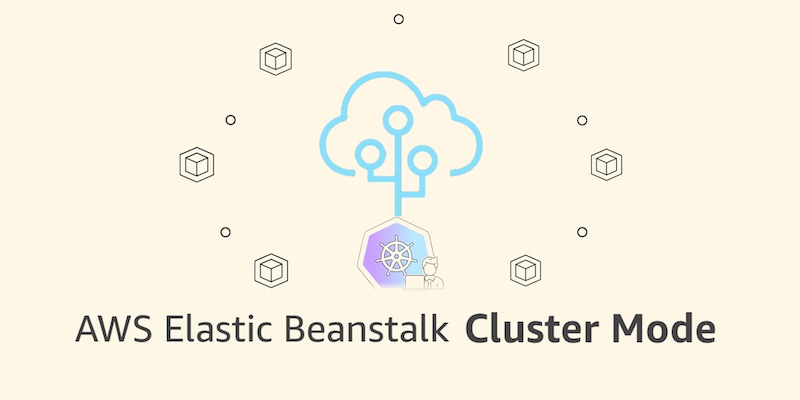
Why it matters — The introduction of Cluster Mode allows for more efficient resource usage by enabling multiple applications to share infrastructure. This reduces per-application costs and simplifies management through a single operational interface. It is particularly beneficial for teams running a portfolio of applications, as it streamlines deployment, scaling, and operational oversight.
Why it matters — It reduces standing privileges by issuing credentials only when needed. Central auditing gives teams a single trace of who accessed the mainframe and when. This helps meet compliance requirements that demand limited credential exposure and detailed access logs.
Why it matters — If regulators determine the features violate wiretapping laws, Apple could be forced to alter or disable them, affecting both the user experience and any third-party apps that depend on continuous audio access. This creates a compliance risk that may require engineering changes or legal review before deployment.
Why it matters — Her rulings in these cases could set precedents for platform liability, user safety regulations, and corporate governance in tech. Engineers building social or AI-driven products may face new compliance requirements depending on her decisions.
Why it matters — This change offers a structured approach to managing infrastructure on IBM Z and LinuxONE systems. By implementing intent-driven workflows, organizations can expect to streamline operations and reduce complexity in their deployment processes.
Why it matters — For engineers building or maintaining infrastructure with HashiCorp tools, these updated designs offer a more reliable starting point. The improved usability suggests reduced trial-and-error when implementing production-grade configurations, though adoption still requires alignment with existing workflows.
Why it matters — This general availability signals production readiness for organizations using Vault Enterprise to manage AI agent identities and access. It provides a supported mechanism for securing AI agents interacting with infrastructure.
Why it matters — This settlement imposes a direct financial cost on Alphabet for its app store billing practices in the UK market. It provides financial restitution to developers who claimed they were overcharged for distributing their software on the platform.
Why it matters — The liability finding means TikTok now faces a trial phase focused solely on determining relief and penalties, which could set a precedent for how platform safety claims are legally enforced. For teams operating user-generated content platforms, this signals that misrepresenting safety controls to regulators or the public can result in direct judicial liability, not just regulatory fines.
Why it matters — This lawsuit could set a precedent for how social media platforms are held accountable for addiction-related design choices. Engineers building such platforms may face new legal constraints on features that encourage prolonged use. The trial's outcome could reshape the regulatory landscape for the industry.
Why it matters — The case was seen as a test for broader litigation targeting platform design choices. Its dismissal without payment may influence future legal strategies but leaves unresolved questions about platform liability. Engineers building or moderating social features should note the legal risks remain unaddressed by this outcome
Why it matters — The legal actions could force Suno to alter or halt features that rely on copyrighted music, directly affecting developers who embed its services. Engineers will need to monitor compliance requirements, potentially redesign workflows, and prepare for service interruptions or additional licensing costs.
Why it matters — This settlement is a clear signal that COPPA enforcement is active and that platforms handling children's data face substantial financial penalties. Engineers building similar systems must prioritize compliance mechanisms to avoid such costly outcomes.
Why it matters — For engineers building or listing on token platforms, the route crypto regulation takes determines disclosure work, listing rules, and what can be offered without registration. A shift from legislation to agency rulemaking typically yields slower, fragmented change and keeps the details in flux until each rule is finalized. With only one feed reporting here, the specifics of which tokens qualify and on what timeline are still unconfirmed.
Why it matters — The sheer volume of patches means organizations must prioritize which vulnerabilities to address first, as patching everything may be infeasible. The doubling of total fixes from 2025 suggests an accelerating rate of discovered vulnerabilities, likely increasing the operational burden on security teams. Engineers should expect more frequent emergency patching cycles and plan for automated patch management.
Why it matters — This change shifts legal risk from Amazon to individual consumers, who may face higher costs and barriers to pursuing disputes. For engineers building or integrating with Amazon’s platform, the clause could influence contract design and compliance strategies in consumer-facing services.
Why it matters — Only one feed elseif tracks has carried this so far, so there is no independent corroboration yet. Read it as a single-source report.
Why it matters — This settlement underscores the legal and reputational risks platforms face when moderation fails. For engineers, it highlights the critical need for robust content verification systems and compliance with child safety regulations. The financial penalty may prompt stricter internal controls across similar platforms.
Why it matters — This lets teams refresh test and development environments from production data without exposing production encryption keys. It also simplifies sharing volumes across accounts while maintaining encryption control, but requires careful RAM sharing and same-AZ placement.
Why it matters — The shift to glasses lowers the barrier to entry for VR by removing the bulk and discomfort of traditional headsets, making extended wear more practical for everyday use. It also introduces a new hardware architecture where compute is offloaded to a pocket puck, potentially reshaping how future VR devices are designed and integrated with mobile processing.
Why it matters — The increased timeout allows for longer-running workloads, such as media processing and data processing, to be handled by AWS Lambda, further blurring the line between serverless and traditional servers. This change can simplify deployments and reduce the need for workarounds. However, it may also encourage fragile and costly patterns if not used carefully.
Why it matters — Enveda's significant funding indicates strong investor confidence in the potential of AI to expedite drug discovery from natural sources. As it moves into clinical trials, the outcomes could reshape how new medications are developed, particularly those derived from plants and microbes. This could lead to a new class of therapeutics that capitalize on the vast chemical diversity found in nature.
Why it matters — The introduction of video chat and email capabilities marks a significant step in making AI interactions more personal and versatile. This could lead to broader adoption and integration of AI avatars in everyday tasks, potentially transforming how users engage with technology. Furthermore, the ability to communicate through video aligns with the growing demand for more immersive and interactive digital experiences.
Why it matters — Modal Motors aims to create electric motors that do not depend on rare-earth magnets, which are predominantly sourced from China. This strategy could enhance U.S. manufacturing independence and address supply chain vulnerabilities. By innovating in this space, Modal Motors could potentially pave the way for more sustainable and domestically produced electric motor technologies.
Why it matters — These permanent physical spaces give local developer communities free access to training rooms, co-working areas, and AWS experts, with community leaders able to book the venue for meetups at no cost. The expansion follows a San Francisco location that reportedly drew more than 22,500 developers since July 2025, signaling AWS's continued bet on in-person community engagement in fast-growing developer hubs.
Why it matters — The increase in subscription prices reflects a broader trend of rising costs in the streaming industry, impacting how consumers budget for entertainment. As competition intensifies, companies are looking for ways to maintain profitability, which may lead to more changes in pricing and service offerings in the future.
Why it matters — Zoox's decision to ground its test fleet highlights the importance of safety in autonomous vehicle operations. The potential exposure to toxic gases raises significant concerns regarding worker health and safety practices within the industry. This incident could lead to increased scrutiny and regulation of safety measures in autonomous vehicle testing.
Why it matters — The addition of voice-based features allows users to perform complex tasks hands-free, enhancing productivity on mobile devices. This change caters to a growing trend where users prefer voice commands for task management, improving accessibility and efficiency.
Why it matters — This case raises important questions about confidentiality in educational settings, especially concerning sensitive personal disclosures. It underscores the potential legal ramifications for educators who share student stories without consent. The outcome could set a precedent for privacy rights in academic environments.
Why it matters — Only one feed elseif tracks has carried this so far, so there is no independent corroboration yet. Read it as a single-source report.
Why it matters — The findings indicate a significant disconnect between AI adoption and public confidence in its safety and reliability. This sentiment could influence future regulatory actions and the development of AI technologies. Understanding public perception is crucial for engineers involved in AI development and deployment.
Why it matters — This update allows users to track their resource usage more accurately, enabling better cost management. Understanding how each build impacts usage can lead to more efficient deployment strategies and cost reductions.
Why it matters — This incident highlights the limitations of AWS's redundancy measures during catastrophic events. Many customers may have assumed that their data was sufficiently protected, but this situation emphasizes the importance of implementing proper data backup strategies across multiple regions.
Why it matters — The tool promises to reduce editing time for creators by enabling AI-assisted adjustments without leaving the platform, potentially reshaping workflow efficiency. However, it may also encourage reliance on automated suggestions, risking homogenization of editing styles and diminishing manual craftsmanship in content production.
Why it matters — These new models enhance coding, reasoning, and multimodal capabilities, which can significantly improve workflows in software engineering and automation. The availability on AI Gateway also streamlines the integration and management of these models for developers.
Why it matters — This release provides engineers with a model that offers a 500K token context window and customizable reasoning levels, allowing for flexibility in application. The significant discount may encourage adoption and experimentation with the new features, potentially enhancing productivity in AI-driven tasks.
Why it matters — This update enables easier integration of Jev, a probabilistic decision model, into existing applications. Developers can now utilize TypeSafe clients and the HTTP API without major changes to their current systems, enhancing versatility and usability.
Why it matters — The introduction of AI features in YouTube Music enhances user interaction, enabling a more intuitive search for music and podcasts. This shift could impact how users engage with streaming platforms, potentially increasing listener retention and discovery rates. As competition in the streaming space intensifies, such features may become essential for platforms to differentiate themselves.
Why it matters — The launch of the Pod 6 introduces smaller and solo sizes, making advanced sleep technology more accessible for various bed types. This product aims to enhance sleep quality with faster temperature adjustments and more sensors, addressing user needs more effectively.
Why it matters — The venture capital landscape is shifting significantly due to the influence of AI and rapid startup scaling. Understanding these changes is crucial for investors and founders to navigate new funding dynamics and prepare for future market conditions.
Why it matters — This feature represents a shift towards user-driven content curation on platforms like YouTube, enabling a more tailored viewing experience. By leveraging AI, users can articulate specific preferences, potentially improving engagement and satisfaction. However, this tool does not replace existing recommendation systems, which may continue to influence user experience.
Why it matters — These tools shift the workflow from manual post-production analysis to automated, pre-publication feedback, allowing creators to iterate on content structure and visual hooks before release. The integration of AI-driven analytics that explain performance drivers rather than just displaying raw numbers changes how creators diagnose audience engagement issues.
Why it matters — This change simplifies the integration of MCP tools into web applications by enabling direct access through a single script tag. It enhances the user experience by allowing authenticated tools to operate seamlessly without additional OAuth flows. Developers can now leverage existing tools more effectively within their web applications.
Why it matters — The introduction of these tools aims to enhance content engagement and performance for creators. As the platform increasingly adopts AI-driven features, creators will need to navigate the balance between leveraging technology and maintaining their authenticity.
Why it matters — This expansion allows enterprise teams to set budgets and manage metered usage effectively, enhancing cost control. The ability to receive notifications and pause deployments provides additional oversight, which can prevent unexpected costs.
Why it matters — YouTube's integration of AI into its shopping experience allows for more informed purchasing decisions through personalized recommendations. This shift reflects a growing trend in e-commerce where platforms leverage AI to enhance user engagement and sales. As users increasingly rely on video content for product insights, this feature positions YouTube as a competitive player in the online shopping landscape.
Why it matters — This feature aligns YouTube with the growing trend of microdrama content, allowing creators to retain audience engagement within the platform. By providing episodic content, YouTube aims to compete with emerging microdrama apps and prevent audiences from migrating to other platforms for similar experiences.
Why it matters — The introduction of GLM 5.3 FlashX provides engineers with a faster serving option for multimodal coding models, significantly improving response times. This can enhance user experiences in applications where speed is critical, such as coding agents and interactive tools.
Why it matters — The shift toward open-weight models is driving down average token costs and changing how teams allocate budgets between frontier and cheaper models. Enterprise workloads are increasingly moving to open-weight options as their capabilities improve.
Why it matters — This change allows developers to allocate additional resources temporarily without altering the overall project configuration. It provides flexibility in managing build resources during critical deployment phases. This capability can enhance performance and reduce downtime during deployments.
Why it matters — The rapid adoption of Jev indicates a strong demand for specialized models in production environments. Its performance metrics suggest significant cost and efficiency advantages over traditional language models. The challenge now lies in maintaining this momentum after initial uptake.
Why it matters — This update allows teams to manage agent skills directly within Notion, enhancing collaboration and accessibility. The integration simplifies the process of creating and installing skills without needing a Git repository. By using Notion's page permissions, teams can control access to skills effectively.
Why it matters — Engineers can now call OpenAI's GPT Image 2.5 Flare and Sunburst models through AI Gateway's unified API, gaining its retry, failover, and cost-tracking features without a platform fee. The choice between Flare and Sunburst lets teams trade generation speed for finer control over composition and detail, and both support reference-image editing.
Why it matters — Engineers building or integrating AI-driven design tools now have a reference for encoding brand consistency into agent behavior without relying on repository-specific files. This approach reduces variability in agent outputs while maintaining design fidelity across external tools. The method may influence how other platforms standardize agent-driven design workflows.
Why it matters — Engineers can now integrate Cline into applications using the same HarnessAgent interface as other supported runtimes. This reduces friction when evaluating or swapping coding agents, as the underlying runtime becomes a configuration detail rather than a structural dependency. The local-process execution model may also simplify deployment for environments with strict sandboxing requirements.
Why it matters — Engineers can now pin requests to this dated snapshot via the model ID alibaba/qwen3.8-max-0902, ensuring consistent behavior. The gains in coding and agent runs make it relevant for long-horizon tasks, while the vision improvements help with document analysis. The dated ID means later releases won't change what your requests run against.
Why it matters — Only one feed elseif tracks has carried this so far, so there is no independent corroboration yet. Read it as a single-source report.
Why it matters — Engineers deploying on Vercel no longer pick a compute primitive per workload type; the platform matches configuration to the job and bills only for active CPU time. This removes infrastructure provisioning as a bottleneck for iteration, particularly for agent workloads that need machines provisioned faster than standard VMs allow.
Why it matters — Engineers building AI-powered tools can now reuse existing ACP-compatible harnesses without writing custom adapters for each runtime. This reduces integration overhead but may trade off some runtime-specific optimizations. The change expands compatibility while preserving the option for tighter, direct integrations where needed.
Why it matters — Pro teams can now claim developer-oriented TLDs like .app and .dev at no initial cost, which may shift domain selection for new projects. The one-domain-per-team limit and standard renewal pricing after the first year remain in place.
Why it matters — This update broadens the scope of integrations available to users by allowing connections to environments beyond just production, preview, and development. For teams using custom workflows, this flexibility can enhance deployment strategies and improve resource management. However, only Pro and Enterprise plans will have access to this feature.
Why it matters — Centralizing agent configuration reduces the overhead of managing separate API keys and observability setups, simplifying deployment pipelines. The unified dashboard and budget controls help teams monitor spend and enforce security policies across all supported models.
Why it matters — Engineers building bots for XChat can now rely on the Chat SDK to handle encryption, key management, and signature verification automatically, instead of implementing these primitives themselves. The adapter also supports proactive messaging when the user has encrypted chat set up and follows the bot, and it falls back to plain text for markdown features XChat lacks.
Why it matters — Engineers building or maintaining eve agents can test GLM 5.2’s long-context capabilities without cost until August 27. The model remains available post-promo at standard rates, but the free tier excludes the faster variant. This lowers the barrier to evaluating a high-context model for agent-based workflows.
Why it matters — Teams can now swap between Cursor and eight other coding agents without rewriting integration code, reducing the cost of evaluating or replacing agents. The adapter uses the Agent Client Protocol (ACP), the same standardized connection layer other harness adapters rely on.
Why it matters — Engineers building or maintaining AI-powered agents and coding tools can now access a model with a larger context window and multi-format input. The contributor pricing tier offers a lower-cost option but trades off data privacy for training purposes.
Why it matters — Engineers building video generation into serverless or queued workflows now get three async patterns, poll, fire-and-forget, and webhook, instead of holding a request open. The single model ID replaces the separate Wan 2.7 text-to-video and reference-to-video endpoints, doubling clip length to 30 seconds and raising frame rate to 30fps.
Why it matters — The free tier removes cost barriers for experimenting with MiniMax models in production-like environments. It also provides a built-in fallback to other providers when GMI Cloud is unavailable, ensuring continuous operation across AI Gateway integrations.
Why it matters — Engineers testing or deploying GLM-5.3 can reduce inference costs during the promotional window, but must account for the discount’s expiration and provider lock-in. The standard model name remains available post-promotion with multi-provider fallback, avoiding disruption for production workloads.
Why it matters — The redesign reduces the time needed to locate a specific deployment. Natural-language input lets users express search intent without knowing exact filter names.
Why it matters — This change allows users to concentrate on specific criteria that matter to their site type, improving the relevance of audit findings. It maintains score consistency across different views, enabling easier comparisons while catering to diverse site functionalities.
Why it matters — Developers can now build Instagram bots with the same Chat SDK interface used for other platforms. The adapter requires a professional Business or Creator account and inherits Meta's 24-hour messaging window, so bots can only reply within a day of the user's last message. Streamed responses are buffered and sent as one message, which affects real-time interaction patterns.
Why it matters — For engineers building long-running stateful logic, this removes the need to operate a separate workflow engine like Temporal, with its own server, worker fleet, and versioning complexity. The SDK promises a simpler developer experience by treating code as the DAG and using a single hook for human-in-the-loop interactions, but it requires adopting Vercel's execution environment and may not cover all Temporal features.
Why it matters — This gives teams a way to cap spending from unsupervised workloads like coding agents, preventing one user from exhausting the shared budget. It also adds usage alerting at 50%, 75%, and 100% of allocation, and works alongside existing API key, project, and team budgets.
Why it matters — Engineers and coding agents can now discover Vercel product updates without leaving the terminal. The command supports limiting results, keyword search, and JSON output, making it scriptable. This reduces context switching for developers who rely on CLI workflows.
Why it matters — Developers no longer need to store or rotate private signing keys in their codebase or environment variables. Any standard OIDC or JOSE library can verify the signed tokens via the public JWKS endpoint, requiring no Vercel-specific verification code.
Why it matters — Engineers building AI-powered applications can now integrate Qwen 3.8 Flash through a unified API, reducing provider-specific complexity. The model’s large context window and multimodal input may improve agent workflows, but adoption requires evaluating its performance against existing options in the AI Gateway ecosystem.
Why it matters — For engineers deploying frequently, this change reduces wait times without requiring configuration updates. The improvement scales with application size, offering larger gains for complex projects. No action is needed to benefit from the speedup
Why it matters — This gives teams a predictable, lower-cost option for lightweight workloads such as small agents or simple apps that do not need autoscaling. By keeping Hobby accounts on the same 2 vCPU machines under the new name, Vercel unifies the low-tier offering across all plans.
Why it matters — Engineers can integrate image generation and editing into applications without managing separate model APIs or tracking usage manually. The unified API simplifies failover, cost tracking, and performance optimizations, reducing operational overhead. This lowers the barrier to adopting multimodal AI for visual tasks.
Why it matters — Engineers no longer provision or rotate long-lived tokens for agents. Each request carries its own identity and scope, reducing the blast radius of a leak. The shift removes a recurring security chore and audit risk.
Why it matters — Video generation can take seconds or minutes, which often exceeds HTTP request timeouts in serverless environments. The asynchronous options let applications avoid those timeouts by decoupling the request from the rendering process and delivering results via webhook, poll, or later retrieval.
Why it matters — Engineers should note that AI is being used to scale expertise within a corporate marketing team. The approach reflects a broader trend of applying AI to meet high expectations in fast-changing environments. Since the source does not detail implementation costs or limits, engineers must seek additional information for practical adoption.
Why it matters — Teams using AI Gateway can add web search to model calls without provisioning a separate Exa API key or paying for Exa usage during the free period. The integration returns structured results with domain and date filters, which is useful for grounding agent responses in current web content.
Why it matters — This removes two significant constraints for teams running Bun on Vercel: the 250MB package size limit and the 800-second execution ceiling. Pro and Enterprise teams can now run long-running workloads like data processing using Bun, provided they enable Fluid compute.
Why it matters — Teams already on Vercel's Pro plan who missed the initial promotion now get the same domain benefit, reducing first-year hosting-plus-domain costs. The offer is limited to six TLDs and renews at full price after year one, so teams should check renewal pricing before claiming.
Why it matters — Engineers can now integrate Grok 4.6 through a unified API, reducing vendor lock-in and simplifying cost tracking. The model’s large context window and adjustable reasoning levels may improve performance for complex tasks, but adoption requires SDK updates and potential workflow adjustments.
Why it matters — Teams can secure internal tools, private dashboards, and pre-launch sites without paying for an additional add-on. The feature can be set as a team default, so every new project automatically protects all deployments. Deployment Protection Exceptions are also free, allowing specific preview domains to stay public while the rest remain protected.
Why it matters — Teams that already run conversational agents on chat platforms can extend those same agents into Notion pages, where much of their documentation and planning already lives. The adapter maps Notion pages to channels and comment threads to threads, so existing agent logic around threading and mentions carries over. However, Notion's interaction model is narrower than richer chat platforms, so agents that rely on buttons, modals, or reactions will need fallback behavior.
Why it matters — Engineers managing multiple projects must now budget for password protection on a per-project basis. The change increases costs for teams that previously paid once for all projects but may reduce expenses for those protecting only a few.
Why it matters — Engineers building or operating software must recognize that effective defensive AI tools are available now, but the current advantage may erode as offensive models improve. Delaying adoption because of uncertainty about future releases leaves systems exposed to emerging threats. Acting promptly with existing AI-assisted defenses can reduce risk before the gap closes.
Why it matters — Centralizing authentication and lifecycle management reduces the risk of orphaned or unmanaged accounts and aligns Vercel access with existing corporate SSO policies. The shift to SAML-only sign-in forces teams to adopt their IdP for all work-related activity, simplifying compliance and audit trails. Engineers will need to provision SCIM integration and verify domains before the feature can be used, which adds upfront setup effort.
Why it matters — Engineers using Vercel AI Gateway can immediately reduce video generation costs by half without modifying existing integrations. The discount applies to all supported input types and durations, making it straightforward to adopt for current workflows.
Why it matters — Maintaining large open-source projects at scale requires more than manual effort, especially when contributions and issues grow exponentially. This approach demonstrates how automation can augment human review without removing accountability, a model that may apply to other high-velocity codebases. The trade-off between automation and risk remains critical for foundational infrastructure.
Why it matters — Engineers and compliance officers no longer need to navigate to a separate Trust Center to retrieve SOC 2 Type 2 attestations and security policies. This reduces friction for audits and security reviews. However, access remains limited to paid plans, excluding free-tier users.
Why it matters — Previously, a warm-cache build's lower CPU and memory usage could cause the elastic system to downgrade the machine, leaving a later cold-cache build without enough resources to finish. The fix is automatic for all builds using elastic build machines and requires no configuration change.
Why it matters — This integration allows users to leverage Jev's fast and cost-effective decision-making capabilities directly through AI Gateway. It simplifies the automation of software operations by providing typed answers and probabilities without the overhead of text generation. This streamlining can significantly enhance workflow efficiency in decision-making processes.
Why it matters — Engineers integrating AI into workflows can now access GLM 5.3 through a unified API, simplifying deployment and cost tracking. The model’s efficiency gains and security-focused improvements may reduce operational overhead for tasks like vulnerability discovery and agent-based automation. Adoption requires no platform fee but depends on AI Gateway’s infrastructure.
Why it matters — Engineers deploying Python apps on Vercel can now manage routing logic at the CDN level without redeploying code. This reduces latency for rule changes and decouples routing from application logic. The feature supports automation via CLI, SDK, or configuration file, fitting different workflows.
Why it matters — This placement signals Gartner's recognition of Azure's cloud-native platform capabilities, particularly as organizations look to cloud-native infrastructure as a foundation for AI transformation. Engineers evaluating cloud-native application platforms can consider this positioning alongside their specific technical requirements.
Why it matters — Developers using AI Gateway can add web-grounded search to any supported model with a single tool call, eliminating the need for a separate Tako account or API key. The integration returns source-grounded data cards, citations, and visualizations directly to the model, which can improve answer accuracy for queries requiring current data.
Why it matters — The reduction in build start time from 6.7 seconds to 2.4 seconds enhances development efficiency. This improvement is automatic and requires no additional configuration, allowing engineers to focus on other tasks. Faster builds can lead to increased productivity and quicker iteration cycles.
Why it matters — This change will affect engineers who build and operate data centers in California. It will increase the transparency of data center operations, but it will also increase the regulatory burden on operators.
Why it matters — This documentary brings together two polarizing figures, potentially offering insights into the Theranos scandal through Fielder's lens. It represents a unique cultural commentary on tech and ethics, relevant to current discussions in the industry. The intersection of humor and serious topics could influence how audiences perceive such narratives.
Why it matters — For engineers deploying or maintaining Azure workloads, this shift means resiliency planning must now account for the specific failure tolerance of each component. The framework reduces over-provisioning but demands more granular architectural decisions, increasing design complexity while potentially lowering costs where full redundancy isn’t required
Why it matters — This deployment addresses labor shortages in tire shops by automating a physically demanding task. The tire-changing robot can improve service efficiency, particularly in regions with seasonal tire demands, like Canada. It also highlights the potential for robotics in routine automotive maintenance, potentially reshaping the industry.
Why it matters — These new tools aim to enhance the authenticity of user profiles on LinkedIn, which is critical in a professional context. As the platform increasingly becomes a space for career advancement, ensuring the credibility of user claims can help protect job seekers and employers alike from deception.
Why it matters — The introduction of Taste Profile represents a significant shift in how users interact with Spotify's recommendation algorithm. By allowing users to directly influence their music and podcast suggestions, Spotify enhances user experience and engagement, potentially leading to increased subscription retention.
Why it matters — Engineers and operators would need to halt current superintelligence research and seek government approval before advancing frontier AI models, fundamentally altering the pace and ownership of AI development. The proposed penalties mirror those for illegal nuclear weapons development, signaling a shift toward strict legal accountability for AI safety violations.
Why it matters — This investigation highlights potential safety issues with aftermarket driver assistance technology. It raises concerns over the reliability of modified software versions and the implications for accountability in accidents involving autonomous systems.
Why it matters — Engineers running serverless workloads on Vercel can now securely connect to AWS-hosted databases, SaaS services, or internal endpoints without exposing traffic to the public internet. This reduces latency and attack surface but adds operational overhead for configuration and cost tracking. Teams already using Advanced Networking gain a new option for hybrid cloud setups.
Why it matters — Teams on Pro no longer lose performance monitoring when upgrading from Hobby, since the free tier carries over across plans. The free tier covers any number of projects, so cost only appears when deeper diagnostics and historical data are needed. Existing paid users see no change beyond the rename.
Why it matters — The Blue Yeti 2 introduces automated audio adjustments, making it more accessible for content creators without technical audio expertise. With features like AI noise removal and a 3D voice tracking sensor, it aims to simplify high-quality audio recording. This could shift the market dynamics in the USB microphone segment, particularly for beginners in podcasting and streaming.
Why it matters — The price increase signals Logitech’s positioning of the X3 as a premium iteration while keeping the X2 on sale for budget-conscious buyers. Engineers evaluating upgrade cycles must weigh the modest performance gains against the added cost, especially when the improvements are incremental for most use cases.
Why it matters — Ema's funding comes as AI competes for dollars traditionally spent on enterprise software and IT services, with major AI labs and established software companies also vying for market share
Why it matters — Mythic achievements will allow Xbox players to showcase their completion of all game achievements, similar to a feature already available on PlayStation. This move could enhance player engagement and competition among gamers on the Xbox platform. Additionally, it reflects a broader trend of gaming platforms adopting similar reward systems to attract and retain users.
Why it matters — These advancements could significantly reduce the workload for content creators on YouTube. By automating tasks such as A/B testing and content optimization, creators can focus more on their creative efforts. However, concerns remain about the authenticity of content generated with heavy reliance on AI tools.
Why it matters — This change aims to streamline age verification while addressing previous privacy concerns. By reducing the need for intrusive methods like ID checks, Discord hopes to maintain user trust and encourage compliance with age-related regulations.
Why it matters — The move introduces a new revenue stream by monetizing post-purchase digital space, potentially reshaping how fast-food chains use in-store advertising. It also raises questions about customer experience and the growing role of targeted ads in everyday transactions.
Why it matters — The shift introduces a new traversal mechanic that changes how players navigate the game world, requiring developers to design levels around fluid movement and spatial puzzles. It also raises expectations for future Remedy titles to blend narrative depth with innovative physics-based interaction.
Why it matters — For platform engineers, this signals a shift from writing infrastructure configuration to defining the governance boundaries within which AI agents can operate. HCP Terraform's model adds policy-as-code, project-scoped identities, and short-lived credentials to prevent agents from gaining uncontrolled access. This changes how infrastructure changes are reviewed and approved, moving from human judgment to automated enforcement.
Why it matters — For teams whose Python data stacks exceeded the 250 MB zip limit, container image functions were the only path past it but cost multi-second cold starts because SnapStart did not apply. The extension lets those functions resume from a cached initialization snapshot, making workarounds like stripping docstrings from numpy or mounting EFS to import heavy libraries unnecessary. The flip side is that base image patching stays with the customer, since AWS only auto-patches the runtime in zip-packaged functions.
Why it matters — The Pod 6 represents a significant upgrade over its predecessor, offering enhanced performance in a more compact design. Its advanced health tracking capabilities may appeal to users interested in optimizing their sleep quality. The introduction of a lower-cost Solo option also broadens its accessibility for single sleepers.
Why it matters — Long-lived credentials are a persistent security risk and operational burden. Federated identity shifts the model from managing secrets to configuring trust relationships, reducing exposure and simplifying rotation. For engineers, this changes how machine-to-machine authentication is implemented at scale.
Why it matters — With 81% of EKS clusters still using the deprecated auth method, teams face a significant migration effort to avoid running on unsupported authentication. The slow adoption suggests either awareness gaps or migration complexity that could become urgent once the method is removed entirely.
Why it matters — This pattern targets data pipelines that become unmaintainable as datasets and workflow variants multiply, offering pre-execution validation, traceability, and versioned capability references for regulated environments. AWS itself cautions that the approach adds unnecessary complexity for simple transformations or environments with only a few workflows, so adoption should be scoped to cases where governance requirements and workflow variation are already high.
Why it matters — The bulk of CVE fixes reduces the attack surface for workloads running on Azure's Linux platform, a critical concern for operators. Because Azure Linux 3.0 is still the production series, engineers must adopt the new build to stay protected, while newer features in the upcoming 4.0 series are not yet available.
Why it matters — Organizations cannot evaluate the cost of Hybrid against a full cloud deployment because Microsoft has not published the service license fee. The requirement for RDS CALs with Software Assurance and the absence of multi-session Windows support restrict deployment scenarios and increase per-user compute requirements on hardware the customer must supply.
Why it matters — Machine images underpin cloud workloads, and unverified images can propagate undetected across environments. This release eliminates manual log-sifting by embedding tamper-proof build records directly into artifacts. Teams can now enforce deployment gating and trace CVEs back to specific commits or pipelines without custom tooling.
Why it matters — The use of AWS agents for flight suggestions represents a shift towards automation in travel management. This change has implications for how software systems integrate AI for decision-making, potentially improving efficiency in handling rebookings. Understanding these integrations is crucial for engineers working on automation and AI systems.
Why it matters — The settlement reflects potential legal and financial implications for Apple related to product launches and advertising practices. Eligible customers can claim compensation, highlighting consumer rights in technology. This case may influence how companies manage product announcements and actual release timelines.
Why it matters — Engineers and operators need to understand that policy shifts in Greece may affect talent pipelines and data-center investments, while the admission of unpreparedness signals a broader uncertainty in AI governance.
Why it matters — The spread of malware to Terraform providers and Go Modules highlights vulnerabilities in popular software distribution channels. This poses significant risks for developers who rely on these resources for infrastructure and application management. Awareness of such threats is crucial for maintaining security in software development practices.
Why it matters — Development servers that are publicly reachable can leak secrets that application code needs at build or runtime. Patching the vulnerability does not invalidate credentials already exposed, so teams must rotate any secrets accessible from a vulnerable server and restrict network access to port 5173.
Why it matters — The discussion highlights the ongoing debate over transparency in government use of AI technologies. Understanding how these records are treated under existing laws could shape future policies and public accountability. As AI becomes more integrated into government operations, the legal frameworks governing access to these records will be crucial for maintaining public trust.
Why it matters — Discord's age verification is a response to increasing legal requirements aimed at protecting minors online. While it claims that the majority of users will not be affected, the implementation could raise privacy concerns similar to those highlighted in past data breaches. The approach relies heavily on existing data patterns rather than direct user input, which may influence user trust.
Why it matters — This lawsuit highlights the legal protections in place for employees regarding political expression in Missouri. It raises questions about the interpretation of political beliefs in workplace contexts and could set important precedents for future cases. Understanding these legal protections is essential for employers to avoid potential lawsuits.
Why it matters — This event offers founders direct access to insights from experienced investors and entrepreneurs. Participants can gain valuable knowledge that could significantly impact their startup's success and growth trajectory.
Why it matters — Snorkel AI's significant valuation increase indicates strong market demand for effective AI training data solutions. As AI applications expand, access to high-quality datasets becomes critical for developers, impacting project success and innovation. The shift to a data-as-a-service model may set a precedent for how data companies operate in the industry.
Why it matters — Engineers designing content moderation systems must recognize that legal frameworks for hate speech are not static; historical repudiation shows that reliance on statutory bans can be misguided. This shift influences platform policies, risk assessments, and the balance between free expression and safety in software architecture.
Why it matters — Apple's exploration into a new fitness tracker highlights its intent to expand its wearables lineup, potentially increasing competition in the fitness tech market. By developing a product similar to Whoop's offerings, Apple could appeal to a new segment of health-conscious consumers. This move could also reflect broader trends in tech companies diversifying their product portfolios to maintain relevance.
Why it matters — This admission highlights the competitive landscape in AI development, where established companies may take cues from emerging open-source projects. It raises questions about originality and market practices within large tech firms. The implications of such inspirations could affect user trust and future innovations in AI products.
Why it matters — The settlement creates a hard financial floor for content output that may not align with the merged entity's historical production rates. Failure to meet these quotas triggers significant penalties or forced asset sales, altering the strategic calculus for the combined studio.
Why it matters — By allowing teenagers to use its robotaxi service, Waymo targets a new demographic that traditionally relies on parents or public transit. This expansion could significantly increase ridership and revenue in a competitive market. Additionally, the integration of teen accounts may influence how families approach transportation for their children.
Why it matters — The exposure of water providers to hacks via stolen passwords raises significant security concerns for critical infrastructure. As these systems manage essential services, vulnerabilities can lead to severe operational disruptions and public safety issues. The research highlights the ease with which attackers can compromise these networks without sophisticated tools.
Why it matters — Engineers planning photo-processing pipelines must now target iPhone 18 Pro devices for full control of these stylization features, while older iPhone models will lack the ability to apply texture and grain adjustments to their own captured images.
Why it matters — This promotion lowers the effective entry price for Android-based laptops, which start at $899 for the Acer model. It provides an immediate hardware incentive for early adopters of the new platform, with some units shipping as early as October 5, 2026.
Why it matters — This loss highlights the vulnerabilities of cloud infrastructure in conflict zones. AWS customers in the affected regions are advised to implement disaster recovery plans and migrate resources to safer regions. The incident underscores the need for robust contingency strategies when relying on cloud services in unstable areas.
Why it matters — The abandonment of these data centers impacts businesses reliant on consistent uptime, particularly in sectors like banking and finance. AWS's lack of a recovery timeline raises concerns about the long-term viability of data storage in the region. The UAE's ambitions to become a data processing leader may suffer setbacks due to ongoing regional instability.
Why it matters — As AI technology advances and integrates into business operations, understanding safety measures becomes crucial for founders. These sessions will provide insights into the challenges and requirements for deploying AI responsibly and securely in various applications.
Why it matters — The introduction of Noble Carbon's smart circuit breakers could significantly reduce the costs associated with installing EV chargers in homes. By avoiding the need for costly electrical panel upgrades, this technology makes electrification more accessible to homeowners. This innovation is particularly relevant as demand for electric vehicles continues to rise.
Why it matters — This is the third ATT-related complaint at the UK tribunal, and Apple has already lost the first (currently appealing) while the second is still active. The pattern, combined with Apple's recent agreement to eight ATT changes in the EU following a German antitrust probe, signals that the rules around the ATT prompt remain legally unsettled. For engineers shipping iOS apps that monetise through personalised advertising, compliance with ATT is now a moving target across multiple regulators.
Why it matters — This case tests whether digital storefronts can use terms like ‘buy’ for revocable licenses under California’s digital goods law. If successful, Sony’s motion would prevent a public court ruling on the legality of its checkout language, shifting disputes to private arbitration instead.
Why it matters — This case demonstrates how state-level zoning frameworks can leave rural communities unable to regulate data center buildouts, even when local governments actively oppose them. Other states are now pursuing legislation to control or limit new data center installations in response to similar concerns.
Why it matters — The comment reflects a recurring pain point in infrastructure-as-code workflows: state management complexity. While the statement is anecdotal, it highlights a gap where engineers seek simpler or more flexible tooling. No concrete solution or project has emerged from this yet, so its immediate impact is limited.
Why it matters — This sets a precedent for federal authority over state-level financial market regulation. Engineers working on prediction markets or decentralized exchanges must now account for potential jurisdictional conflicts between federal and state oversight. The outcome could redefine compliance requirements for platforms operating across state lines.
Why it matters — Netlify Analytics only retains 30 days of traffic data, limiting long-term trend analysis. This workaround demonstrates a low-effort method to extend data retention without relying on third-party tools. Engineers may adopt similar patterns for other platform-limited analytics services
Why it matters — Engineers must now build systems that track cumulative usage across Instagram and Facebook for users under 18 and enforce parental-override gates when limits are exceeded. They also need to implement time-based access controls, notification muting, and optional non-algorithmic feeds while coordinating with app stores for verified age signals.
Why it matters — For engineers, this shift signals a growing reliance on multi-cloud architectures to balance resilience and specialized AI tools. The move also highlights the operational trade-offs of distributing workloads across providers, particularly for latency-sensitive aviation systems.
Why it matters — The case tests how courts handle identity disputes in digital copyright claims. If the plaintiff’s argument prevails, it could set a precedent for impersonation defenses in online litigation. Operators of private trackers face prolonged legal uncertainty while the dispute remains unresolved.
Why it matters — The demonstration of Stretch 4 showcases advancements in robotic technology and its potential applications in various fields. Live demos at major tech events can significantly influence public perception and investment in the technology. Observing such innovations in action helps engineers understand practical implementations and challenges.
Why it matters — This opportunity allows startups to gain visibility and connect with potential investors and partners. With the event attracting over 10,000 industry leaders, exhibiting can significantly impact a startup's growth and networking potential.
Why it matters — This discount on the Apple Magic Keyboard with Touch ID and numeric keypad provides an opportunity for users seeking enhanced functionality and security. The keyboard's compatibility with macOS computers on Apple silicon makes it a practical choice for professionals in need of a reliable input device.
Why it matters — This lawsuit raises significant questions about the legality of monetizing access to public statements by government officials. If successful, it could set a precedent affecting how social media platforms operate and how information is shared in financial markets.
Why it matters — The selected startups aim to innovate across various sectors to meet a projected threefold increase in electricity demand. This shift is critical as global efforts to reduce carbon emissions accelerate. Understanding which technologies and companies are being funded can guide engineers and investors in future energy solutions.
Why it matters — This accomplishment indicates significant advancements in electric vehicle production and sustainable materials. Rivian's ability to reduce emissions while maintaining a mass-market appeal could set a new standard in the automotive industry, encouraging other manufacturers to follow suit.
Why it matters — The agreement creates a new revenue stream for MacroCycle through environmental attribute credits, enabling construction of its first commercial facility. It also establishes a market for low-carbon plastics in Meta's supply chain, potentially reducing the company's carbon footprint as AI-driven growth increases emissions. This deal may accelerate adoption of solvent-based recycling technology that currently achieves only 0.5% recycling rates for textiles.
Why it matters — The restructuring of Xbox indicates a major shift in Microsoft's gaming strategy, focusing on fewer franchises and significant layoffs. This could impact game development timelines, quality, and the broader perception of the Xbox brand in a highly competitive market.
Why it matters — The layoffs signal a major restructuring of Xbox’s first-party studios and reduce Microsoft’s internal development capacity. Closing Ninja Theory removes a key external partner that contributed to Microsoft’s exclusive titles. The move also reflects broader cost-cutting across the gaming division as Microsoft seeks to streamline its portfolio.
Why it matters — This merger indicates a shift in Xbox's development strategy and could affect the future of the Forza Motorsport franchise. Combining resources may lead to a more focused effort on the Forza and Fable franchises. The move also reflects broader organizational changes within Xbox, which may impact staff and project direction.
Why it matters — This initiative represents a significant shift in how government communications are managed and delivered to the public. By circumventing traditional media channels, it raises concerns about press freedom and the potential for state-controlled narratives.
Why it matters — The Beats 360 represents a shift in design for workout headphones, focusing on durability and comfort. With an IPX4 rating, they are suitable for exercise environments where sweat and moisture are prevalent. The ability to swap ear cushions allows users to customize their experience based on activity, enhancing the practicality of the product.
Why it matters — This restructuring indicates a shift in how Microsoft manages its gaming franchises, which could impact future game development and community support. The layoffs and studio changes reflect broader challenges in the gaming industry, potentially affecting game quality and player experience.
Why it matters — The Nuance Audio Plus improves voice amplification and battery life over the original model, making the glasses more practical for daily hearing assistance. However, the higher starting price of $829 and limited Android support for call answering may restrict adoption among cost-sensitive users.
Why it matters — The program incentivizes riders to combine autonomous rides with public transit, potentially increasing multimodal usage but also raising concerns about autonomous vehicles siphoning riders from buses and trains, which could affect service availability for low-income commuters.
Why it matters — This trademark dispute could significantly delay Terafab's operations before they even start production. The confusion over the Tera-Fab name may impact the ability of Musk's company to brand its products effectively. If the dispute escalates, it could lead to costly legal battles and further complications in Terafab's launch plans.
Why it matters — This development marks a significant leap in smartphone camera technology by integrating high-resolution sensors across multiple lenses. The ability to capture 200-megapixel images could enhance photographic detail and flexibility for users. However, the true performance will depend on the overall camera system and image processing capabilities.
Why it matters — AWS acknowledges that its user console has become a barrier for new users, particularly those in AI development. The introduction of a simplified interface aims to streamline onboarding and reduce the initial complexity of configuring services. This shift could enhance user adoption and satisfaction, particularly for startups and individual developers.
Why it matters — This incident highlights the risks of credential-based attacks on cloud directories, even for large enterprises with mature security programs. If confirmed, the breach could enable targeted phishing, privilege escalation, or lateral movement within affected organizations. The lack of clarity on the initial access vector leaves Azure tenants vulnerable to similar attacks until root causes are identified and mitigated
Why it matters — The project highlights how cloud APIs can impose unnecessary complexity on simple operations. It also serves as a critique of AWS’s tendency to repackage existing services in ways that may introduce new failure modes without clear benefits for engineers.
Why it matters — The dismissal of the copyright claims removes immediate legal pressure from the private tracker operators. However, the ongoing investigation into the plaintiff's identity and motives raises concerns about potential misuse of the legal system. This case illustrates the complexities of identity verification in copyright litigation.
Why it matters — If Sony's argument fails, the company may be forced to change how it markets digital purchases on the PlayStation Store or grant durable rights to purchased content. The case could set a California legal precedent about what 'buy' and 'own' mean for digital goods, just as Sony prepares to make its digital store the only way to purchase new PlayStation games.
Why it matters — This ruling emphasizes the importance of timely objections regarding judicial impartiality. It also illustrates how relationships between judges and attorneys can be scrutinized in legal proceedings, potentially affecting case outcomes.
Why it matters — For anyone operating platforms that surface user complaints, this case shows that threatening legal action against critics who post on social media can itself become grounds for professional discipline. The decision turned on the power imbalance and context, not on whether the criticized posts were actually defamatory.
Why it matters — This perspective emphasizes the need for accountability in platform management. By focusing on enforcing existing laws, engineers and platform operators may navigate regulatory challenges more effectively. It also raises questions about the adequacy of current regulations in addressing modern technological concerns.
Why it matters — The Tread Flex lowers the entry barrier for Peloton's treadmill ecosystem, targeting space-constrained users like urban walkers and renters. Its folding mechanism and reduced price aim to expand the addressable market beyond current high-end adopters, though safety limitations and deck size may restrict broader appeal.
Why it matters — It gives the plaintiffs another opportunity to allege concrete personal harm linked to the curriculum’s use in the district. The decision also clarifies that anti-SLAPP attorney fees cannot be awarded when a complaint could be saved by amendment.
Why it matters — This experiment challenges assumptions about power delivery limitations in modern GPUs and highlights potential reliability trade-offs in connector design. For engineers, it raises questions about whether legacy power standards can still meet the demands of next-generation hardware without compromising stability.
Why it matters — This case challenges the legal boundaries of immigration enforcement on private property and the reliability of REAL IDs as proof of citizenship. For engineers and operators in construction or logistics, it highlights risks of workplace disruptions and compliance ambiguities under current policies.
Why it matters — This reduces multicloud networking setup from weeks or months to a simplified provisioning experience, with MACsec security and four-nines availability promised. It extends a pattern started by AWS and Google Cloud, with AWS now covering Azure, Google Cloud, and Oracle Cloud Infrastructure through its Interconnect, multicloud offering.
Why it matters — Only one feed elseif tracks has carried this so far, so there is no independent corroboration yet. Read it as a single-source report.
Why it matters — These lawsuits test the legal boundaries of local governance over infrastructure projects. If successful, they could limit communities' ability to regulate data center growth, while failures may embolden further restrictions. The outcome will shape how data centers balance expansion with local concerns.
Why it matters — Engineers involved in product pricing and cost accounting must consider the financial and legal risk of retaining government-refunded tariffs. The lawsuit shows that failing to pass refunds to customers can trigger class-action claims and potential damages. It also highlights the need to align price adjustments with actual cost changes to avoid reputational and legal exposure.
Why it matters — This policy shifts the burden of platform decisions onto customers, limiting recourse for those affected by Sony’s disc phaseout. For engineers and developers, it signals a hardening stance from platform holders on controversial changes, even amid legal and consumer pushback. The move may set a precedent for how companies handle dissent over digital-only transitions.
Why it matters — As Apple increases the price of its Mac Mini, a more affordable option like the Mac Neo could attract budget-conscious consumers. This shift could significantly impact the market, allowing more users to access macOS at a lower cost. Engineers and developers could benefit from a cost-effective Mac desktop for testing and development purposes.
Why it matters — This exchange highlights the ongoing tension between corporate priorities and public safety concerns, particularly regarding children's welfare. As Meta attempts to pivot towards new technologies, the implications for user trust and regulatory scrutiny become increasingly significant.
Why it matters — Morphotonics' funding will enable the company to scale production of its nanoimprint lithography technology. This technology is important for manufacturing displays used in smart glasses and now aims to address the optical components needed in data centers. The shift into this new market highlights the growing demand for photonic technologies in data transmission.
Why it matters — The incident highlights the vulnerability of critical infrastructure to disruptions caused by construction activities. It also raises questions about accountability among contractors and telecom companies. Ongoing delays could impact travel schedules and operational efficiency across the aviation sector.
Why it matters — The Colorado River is a critical resource for millions, and Amazon's initiative raises awareness of water usage in tech. Understanding the company's water footprint is essential for sustainability efforts, especially as demands on water resources grow. This initiative could set a precedent for corporate responsibility in resource management.
Why it matters — The performance of Muse indicates strong initial adoption in a competitive AI app market. With its integration into existing Meta platforms, Muse may benefit from extensive user networks, potentially leading to sustained growth. This development could influence future app marketing strategies and AI app performance benchmarks.
Why it matters — The IPO structure prioritizes shareholder exits over company growth, reflecting a shift in Oura's strategic focus. This approach may signal limited reinvestment capacity for future innovation, potentially impacting long-term product development and operational flexibility for engineers and operators.
Why it matters — The emergence of Tabby could significantly disrupt the accounting industry by reducing the need for traditional accounting roles. As the platform automates bookkeeping tasks, small businesses may find financial management more accessible and cost-effective. This shift could reshape how accounting services are delivered and consumed.
Why it matters — Robby Stein's session at TechCrunch Disrupt 2026 will address significant challenges in product scaling. Understanding how to balance innovation and reliability is crucial for engineers working on large-scale products. The insights shared can guide teams transitioning from small-scale projects to managing products with billions of users.
Why it matters — Engineers must adjust integration plans for EV infotainment, as CarPlay and Android Auto are unavailable in GM's electric trucks and may be phased out in future ICE models, requiring fallback to native Android Automotive solutions.
Why it matters — This decision reverses a controversial move that removed older content from Destiny 2, restoring player trust and enjoyment of the game. It also sets the stage for potential future developments in the Destiny series.
Why it matters — This bundle provides significant savings for gamers looking to purchase both a controller and a gift card. It effectively reduces the cost of the gift card while allowing users to benefit from a high-quality gaming accessory.
Why it matters — This event marks a significant transition in leadership at Apple with John Ternus taking over from Tim Cook. The launch of the iPhone Duo, Apple's first foldable smartphone, indicates a potential shift in Apple's product strategy, particularly towards integrating AI functionalities. Understanding Ternus's approach will be crucial for stakeholders as the company navigates future innovations.
Why it matters — The price increase reflects broader trends in consumer electronics, where component costs have risen. Engineers looking for compact and powerful machines must now consider the budget impact of this shift. The upgraded performance of the M6 chip may justify the cost for certain applications, but it limits access for budget-conscious users.
Why it matters — The introduction of Googlebook laptops signals Google's entry into the competitive laptop market, aiming to retain users with a promise of long-term updates. These devices come with integrated AI services that could enhance user experience and productivity. With prices comparable to existing high-end laptops, their success may depend on consumer reception and performance reliability.
Why it matters — Engineers will need to adapt workflows to leverage phone-laptop continuity, while operations teams must plan for managing dual-device ecosystems and extended software support cycles.
Why it matters — The introduction of Googlebook OS reflects Google's evolving strategy in the laptop market, emphasizing the importance of hardware alongside software. This change may influence how users interact with devices, especially with the increasing integration of AI. It signals a shift in Google's approach, focusing on high-quality laptops as essential tools rather than disposable hardware.
Why it matters — The introduction of Googlebooks represents a significant shift in how laptops may interact with mobile devices, particularly for Android users. This integration can enhance productivity and user experience by allowing seamless transitions between devices. It also raises questions about the future of operating systems and their ability to merge functionalities across platforms.
Why it matters — The iPhone 18 Pro features a sophisticated mechanical camera system with a variable aperture lens, enhancing photography capabilities. However, the complexity of the design raises significant repairability concerns, as the mechanism may be nearly impossible to fix if damaged. This could lead to higher costs for users needing repairs.
Why it matters — The proposal for a Hyperloop could significantly reduce travel time between two major Texas cities. However, The Boring Company's history of unfulfilled projects raises skepticism about the feasibility of this new venture.
Why it matters — The lack of transparency in the world models sector can hinder collaboration and innovation. Companies like AMI Labs and World Labs are exploring various applications, from robotics to media creation, but their secrecy may limit the usefulness of their data suppliers. As competition grows, maintaining a low profile could be a strategy to delay market pressures.
Why it matters — The Vocci ring adds a new form factor for meeting note-taking, catering to users who prefer a discreet device. However, its high price and privacy implications could limit its adoption. Engineers and developers interested in voice-enabled devices should consider both functionality and ethical concerns in their designs.
Why it matters — ScrollEd's approach addresses the declining engagement of students with traditional textbooks by leveraging a familiar social media format. This could enhance learning experiences by making educational content more interactive and appealing. If successful, it may change how educational materials are delivered and consumed across various platforms.
Why it matters — This law introduces significant penalties for influencers who do not disclose their paid political content, enhancing transparency in political advertising. It reflects a growing trend towards stricter regulations on digital platforms, particularly regarding political messaging. As influencer marketing becomes increasingly integral to political campaigns, compliance will be crucial for those operating in this space.
Why it matters — The absence of standardized safety tests for autonomous vehicles complicates regulatory approval and public acceptance. By collaborating with SAE to create data-driven performance standards, the NHTSA aims to ensure autonomous vehicles are safe while still promoting innovation in the industry. This initiative could lead to clearer guidelines and expectations for manufacturers and regulators alike.
Why it matters — The return of No Dogs in Space means listeners can dive back into its unique storytelling and exploration of music history. This season aims to focus on punk, which aligns with the hosts' expertise and passion, offering fresh insights into the genre's narratives. The hosts also aim to engage with the complexities of the punk scene while remaining entertaining.
Why it matters — This trend is notable because it represents a shift away from digital-only interactions. It is hard to say whether this is a lasting trend or a temporary reaction to the pandemic.
Why it matters — This statement from Kojima Productions clarifies its operational status amidst speculation about the studio's future. The gaming industry has been under scrutiny due to closures and cancellations, making this declaration significant for stakeholders and fans.
Why it matters — This is a time-sensitive opportunity for startups to secure physical presence at a major tech conference, but the note contains no technical details about platforms, products, or engineering changes, so there is nothing substantive to report for working engineers.
Why it matters — The move challenges standard licensing practices for community-driven IP and could set a precedent for how studios handle open-licensed content. If enforced, the film's distribution model may be impractical under traditional theatrical exclusivity. This highlights tensions between commercial interests and open-licensed creative ecosystems.
Why it matters — The emergence of video game movies signifies a growing trend in media adaptation, potentially reshaping how games are perceived in popular culture. This could influence game development, as creators may consider cinematic elements more seriously. Moreover, successful adaptations can boost sales and interest in the original games, creating a synergistic relationship between film and gaming industries.
Why it matters — The shift towards FAST services signifies a return to simpler viewing experiences reminiscent of cable TV. As streaming platforms become saturated, these strategies may help retain and attract price-sensitive customers. Understanding these changes is crucial for engineers and developers working on user interface design and content delivery in streaming applications.
Why it matters — The continued dominance of Texas Instruments in the graphing calculator market has implications for educational equity and accessibility. Students often face limited choices, which can hinder the adoption of potentially better technology. Understanding this monopoly can inform discussions on innovation and competition in educational tools.
Why it matters — The Navy is changing its approach to technology acquisition by co-investing alongside private capital, moving away from traditional funding methods. This shift could lead to more innovative solutions and faster procurement processes. By aligning with venture capitalists, the Navy aims to reduce the burden of early-stage funding and focus on mature technologies.
Why it matters — The incident highlights significant privacy implications regarding AI assistants and their interaction with personal data. Engineers developing such systems must ensure clear communication about data access and permissions to maintain user trust. Understanding the limitations of AI's self-awareness is crucial for improving user experience and safety.
Why it matters — This event marks a significant escalation in the administration's efforts to control media coverage. The bans not only affect the journalists directly involved but also pose broader implications for the First Amendment and press freedom. As these organizations challenge the bans in court, the outcome could set important precedents regarding government access for journalists.
Why it matters — The discussions around AI safety reflect growing concerns about the reliability and transparency of AI systems. Misunderstandings and sensational claims can hinder productive discussions and progress in AI safety. It is crucial for engineers to navigate these narratives with a critical mindset to ensure responsible AI development.
Why it matters — Only one feed elseif tracks has carried this so far, so there is no independent corroboration yet. Read it as a single-source report.
Why it matters — The Granary 2 series offers significant advancements in pet feeding technology, particularly for multi-cat households. By providing detailed tracking and monitoring of each cat's eating habits, it allows pet owners to better manage their pets' health and diets. However, the additional subscription costs for full functionality may be a barrier for some users.
Why it matters — The deadline for discounted tickets to TechCrunch Disrupt 2026 is approaching. Attendees can save significantly by registering before the price increase, which may impact attendance and networking opportunities.
Why it matters — This revelation highlights the pervasive data collection practices of smart TVs, which often go unnoticed by consumers. Understanding how these devices operate can help users make informed decisions about their privacy and data security.
Why it matters — Vantora's pivot to proprietary startup development allows corporate clients to retain exclusive technologies, particularly in physical AI, which could reshape industrial operations. This strategy addresses the need for companies to control AI solutions critical to their operations without sharing them with competitors.
Why it matters — Only one feed elseif tracks has carried this so far, so there is no independent corroboration yet. Read it as a single-source report.
Why it matters — The significant valuation and funding round indicate strong market confidence in Angle Health's business model. By offering level-funded health plans, Angle Health provides small businesses with a predictable and potentially cost-saving insurance solution. This approach could influence how small businesses manage their health insurance needs moving forward.
Why it matters — This incident highlights the critical importance of human oversight in military AI applications. The potential for AI hallucinations to influence high-stakes decisions poses risks that could escalate conflicts. Implementing safeguards is essential to ensure the reliability of AI systems in military contexts.
Why it matters — Jev diverges from traditional large language models by focusing on producing calibrated decisions rather than text, leading to faster and more cost-effective automation solutions. This shift could redefine how developers integrate AI into their workflows, making intelligent software more accessible. With its unique approach to outputs and training, Jev may catalyze a new wave of AI tools tailored for specific tasks.
Why it matters — The appointment follows a period of instability involving an attempted ouster of CEO Matt Mullenweg and the subsequent exit of several executives. This leadership shift occurs while the company still needs to name new board members.
Why it matters — Flash floods are a leading cause of weather-related fatalities, and timely warnings are critical for public safety. The integration of satellite data and machine learning in TACLS could enhance the accuracy and speed of flood alerts, potentially saving lives. This technology represents a significant advancement in meteorological tools for flood prediction.
Why it matters — The introduction of a variable aperture in the iPhone 18 Pro allows for improved photographic versatility in various lighting conditions. However, the actual benefits in image quality may be limited, making it less compelling for general users compared to its predecessor. This change highlights ongoing efforts in smartphone innovation while reiterating the incremental nature of updates in this space.
Why it matters — This reverses decades of media ownership rules and hands a controlling economic stake in one of America's largest entertainment conglomerates to governments with documented human rights abuses. For engineers and operators, the precedent matters regardless of sector: a federal agency is explicitly prioritizing political grievances against domestic broadcasters over structural media ownership safeguards. The ruling also signals that the FCC's enforcement priorities have shifted dramatically under Carr's leadership.
Why it matters — Robinhood is redefining its role in the financial services landscape by integrating multiple financial products into one platform. This shift reflects changing consumer expectations for seamless and intuitive financial management tools. Understanding this evolution is crucial for professionals in finance and technology to stay competitive.
Why it matters — The introduction of Muse on Mac signifies a shift towards more integrated AI assistants that can directly manipulate user files and applications. This could streamline workflows for engineers and other professionals by automating repetitive tasks. As competition intensifies among AI platforms, the capabilities of these tools will likely expand rapidly.
Why it matters — This incident highlights the vulnerability of maritime operations to cyberattacks, which can disrupt essential functions of large vessels. The potential for these attacks to escalate poses significant risks to shipping safety and global logistics. Understanding the implications of such breaches is crucial for engineers involved in maritime technology and cybersecurity.
Why it matters — The achievement shows that Joby’s autonomy technology can manage long-range, unmanned missions, opening possibilities for rapid cargo, medical, or defense transport. It also validates integration of the stack with existing aircraft types for future commercial and military use.
Why it matters — The FPGB Mini offers a pocketable design and cheaper price, making it a tempting alternative to Analogue's Pocket, which has seen a price hike to $239.99
Why it matters — Exhibiting at TechCrunch Disrupt 2026 provides a significant opportunity for startups to gain visibility and connect with investors and partners. The limited timeframe emphasizes the urgency for startups to secure their presence in a competitive environment.
Why it matters — The Orion mattress pad represents a trend in smart home technology aimed at improving health and wellness. It integrates AI to monitor and adjust temperature based on sleep patterns, offering a potential solution for better sleep quality. However, the high price point raises questions about accessibility and the necessity of AI in sleep aids.
Why it matters — This reflects a significant divergence in perspectives between the tech sector's existential fears and the practical realities faced by entertainment professionals. Labor groups are advocating for protective measures while the industry continues to adopt AI technologies. Understanding this dynamic is crucial for engineers and developers in AI as they navigate ethical implementation and public perception.
Why it matters — Manus's shift to independent operations may enhance its ability to innovate and attract investment without external restrictions. The $500 million fundraising effort signals confidence in its business model despite previous merger challenges with Meta. This move also indicates potential growth in the competitive AI market as Manus seeks to establish itself as a key player.
Why it matters — This appointment signals a strategic pivot by Disney's new leadership to integrate generative AI technologies directly into its core operations. It represents a significant reconciliation with a company previously accused of hosting copyrighted Disney characters, suggesting a shift from defensive legal posturing to active technological adoption.
Why it matters — This trend indicates a significant change in investment strategies among family offices, focusing on higher returns in emerging tech sectors like AI. It reflects a growing appetite for risk and a desire for more control over investment choices. Understanding these dynamics can help engineers and tech companies align their strategies with investor interests.
Why it matters — This initiative aims to enhance AI safety and accountability in California, potentially influencing national standards. By mandating a 'kill switch' and regular audits, it addresses rising concerns over AI risks. The state's actions could set a precedent for other states and inspire federal legislation on AI regulation.
Why it matters — This funding round reflects the escalating capital demands of AI compute providers as they scale infrastructure to meet demand. For engineers, it signals potential shifts in hardware availability, pricing, or partnership terms as Nscale prepares for an IPO.
Why it matters — The launch tests whether Tesla’s autonomy stack can operate safely without human fallback in real-world conditions. If successful, it could accelerate adoption of driverless fleets; if not, it risks regulatory pushback and public distrust. Engineers building or integrating autonomous systems will watch for real-world failure modes and latency in remote intervention.
Why it matters — The cancellation removes a planned sale of 50 million shares that Oracle had disclosed in a regulatory filing, eliminating a potential supply of stock. Oracle's stock is down 22% this year as the company spends heavily on data centers and recently became a major owner and security partner for TikTok's U.S. operations. No reason was given for the change in plans.
Why it matters — Volunteering at TechCrunch Disrupt 2026 provides a hands-on opportunity to gain insider knowledge of the tech ecosystem. It also allows for networking with influential figures in the startup world, which can be invaluable for career development. The deadline for applications emphasizes the urgency for those interested in this opportunity.
Why it matters — Neko Health's US expansion brings its proprietary body-scanning technology, paired with bloodwork and fitness-device data, to a new market. The company has already scanned 100,000 people and raised $700 million, showing significant investment. This move signals a growing trend of tech founders entering health scanning, which may affect how engineers build health data platforms.
Why it matters — The feature creates a new real-time monitoring surface inside ride-hailing, but the encryption model is ambiguous, Uber would not confirm whether the stream is end-to-end encrypted, leaving open whether the company itself can access the video. There is also no opt-out for other passengers who happen to be in the car with the teen, raising consent questions for anyone else captured on the feed.
Why it matters — The startups reflect a broader industry pivot toward solving physical constraints in AI, robotics, and energy infrastructure. For engineers, these projects signal where capital is flowing and which technical challenges are now considered investable. The shift away from pure software suggests that hardware innovation is regaining urgency in early-stage funding.
Why it matters — The Picco breaks from Boox's usual Android-based approach with a stripped-down Linux OS that is unlikely to be open firmware, making it less hackable than the comparable Xteink X4. Engineers evaluating small e-readers should note the microSD-only storage model and the absence of back magnets for phone mounting.
Why it matters — The claims force engineers to weigh alignment risks against commercial incentives. If taken seriously, they may reshape safety budgets, regulatory filings, and public trust in AI platforms. The debate itself reveals how existential warnings can double as implicit capability demonstrations.
Why it matters — For engineers working in media platforms, streaming services, or content distribution, TIFF’s lineup signals emerging formats, production techniques, and audience expectations. The festival’s focus on documentaries and niche genres may influence platform algorithms and content acquisition strategies.
Why it matters — This shifts AI from a tool to an autonomous participant in workflows, reducing manual oversight but introducing new risks around data access and task delegation. Engineers must evaluate whether the trade-off between convenience and control aligns with their operational security and reliability needs.
Why it matters — Rilo's workflow automation technology, covering competitor intelligence, content repurposing, and sales call analysis, could be folded into Adobe's marketing and CX suite as the company targets larger customers. The deal gives Rilo's investors an exit and marks Adobe's second acquisition from India after Rephrase.ai in 2023.
Why it matters — The exclusion creates an arbitrary hardware gate for competitive play affecting the mobile player base of a game downloaded 25 million times across platforms. The stated justifications around visual fidelity and device management are undermined by existing tournament mechanisms for provided hardware and by other competitive Pokémon titles already accommodating mobile at high levels.
Why it matters — This is entertainment content news with no direct engineering or platform implications. The announcements confirm release dates for two major Star Wars properties across Disney+ and theatrical distribution.
Why it matters — The US already has 3,000 data centers in operation with 1,500 more in development, and the physical footprint of compute is becoming a planning and political problem, not just a capacity problem. Engineers building or operating infrastructure need to understand that community tolerance, not just power and land availability, is becoming a binding constraint on where data centers can go.
Why it matters — This is one of the first large-scale data points on whether free AI giveaways convert to paying users in price-sensitive markets. The revenue increase is promising but ambiguous, since auto-renewals may be charging users who simply failed to cancel rather than deliberately chose to pay.
Why it matters — The introduction of truly continuous heart rate monitoring offers a more accurate way to track health metrics, which is crucial for users with chronic conditions. Additionally, the advanced AI features position Apple to better compete with other wearable technology companies. This shift may influence future health tech developments in the industry.
Why it matters — Having the grip constantly attached reduces the friction of repeatedly mounting and dismounting a phone accessory during work or travel. Its thin profile and magnetic versatility let it stick to metal surfaces and survive pocket carry without adding bulk.
Why it matters — Engineers building or integrating surveillance platforms need verifiable detection logic and measurable false-positive rates to assess compliance and liability. Without transparency, the tool’s mandatory adoption shifts risk onto agencies without clear evidence of effectiveness.
Why it matters — The $7.1 billion in private funding signals that fusion is moving from laboratory experiments toward commercial engineering. Engineers should watch the progress of tokamak and field-reversed configuration designs, as well as the high-temperature superconducting magnets that make them viable.
Why it matters — This suggests Apple is preparing to launch AirPods with embedded cameras, potentially shifting how users interact with real-world objects via wearables. For engineers, it signals new integration challenges for visual processing, privacy controls, and cloud-dependent features in audio-first devices.
Why it matters — This material is a consumer tech and media roundup with no stated engineering or platform changes relevant to building or operating software.
Why it matters — This price reduction may make the Cetra Open more accessible to engineers or gamers who value situational awareness and passthrough charging. The discount does not change the product’s trade-offs, such as reduced noise isolation and limited use cases outside gaming or casual listening.
Why it matters — The Switch 2's holiday 2026 lineup is now concrete, giving developers and publishers a clear view of the competitive calendar. The range of upgraded editions with hardware-specific features signals how Nintendo is differentiating Switch 2 versions from their originals.
Why it matters — For engineers evaluating portable PC gaming hardware, the Claw EX demonstrates that Intel's Panther Lake chip can meaningfully outperform AMD's Z2 Extreme in handhelds while achieving reliable Windows sleep behavior. The $1,800 price and unresolved software issues show that the performance gap has not yet translated into a product worth buying.
Why it matters — Live sports are a key test for spatial computing platforms like Vision Pro. If the device cannot handle the slow, unpredictable rhythm of baseball, it may face similar challenges with other real-time events. Engineers building for these platforms must account for user fatigue, context switching, and the gap between immersion and situational awareness.
Why it matters — This collaboration extends Polaroid’s hardware into licensed merchandise, targeting collectors and fans rather than core engineering users. For engineers, it signals how consumer hardware brands leverage IP partnerships to drive sales without altering underlying technology.
Why it matters — The valuation signals investor confidence in multiple winners within the AI coding market, contrasting with Cursor's acquisition by SpaceX due to compute constraints. Cognition leases an Nvidia server cluster costing hundreds of millions annually, risking similar compute shortages while attempting to train its own models to reduce reliance on OpenAI and Anthropic.
Why it matters — This concept explores whether a hybrid form factor can replace carrying both a gaming handheld and a laptop for mobile PC gamers. If refined, it could reduce hardware redundancy for engineers or developers who need portable gaming and light productivity. The lack of retail plans means no immediate adoption cost, but the idea may influence future designs
Why it matters — The delay highlights the challenges of integrating advanced software and hardware in consumer products. For engineers, it underscores the trade-offs between innovation, supply chain constraints, and regulatory compliance in product development.
Why it matters — Only one feed elseif tracks has carried this so far, so there is no independent corroboration yet. Read it as a single-source report.
Why it matters — The project translates abstract economic data into a physical experience, making housing inequality tangible through bodily effort. It also demonstrates a hardware approach to interfacing with existing systems without penetrating their closed electronics.
Why it matters — The withdrawal creates tension with TikTok's obligations under the Protecting Americans From Foreign Adversary Controlled Applications Act, which requires committee engagement before year's end. Meta's settlement appears to be reshaping how other platforms approach congressional testimony on child safety. Platforms with pending child safety suits should expect heightened scrutiny from lawmakers.
Why it matters — Engineers prototyping UI mock-ups, game assets, or product visuals can now iterate faster without leaving the chat interface. The feature lowers the barrier to quick visual experimentation but still requires clear text prompts to steer the output.
Why it matters — Startups relying on annual recurring revenue (ARR) from enterprise AI contracts face unprecedented volatility. The shift from multi-year SaaS commitments to rapid re-evaluation cycles undermines revenue predictability, forcing startups to adapt pricing and retention strategies. This instability could reshape funding, valuation, and growth expectations in the AI sector.
Why it matters — Removing the lone Democratic commissioner would eliminate the public dissenting voice in FCC decisions, reducing transparency and potentially leading to less robust reasoning in major actions. It also raises legal questions about the FCC's independence, though recent Supreme Court rulings on FTC firings may weaken that protection.
Why it matters — The Side Events during TechCrunch Disrupt provide additional opportunities for founders, investors, and tech enthusiasts to connect outside of the main conference activities. This expanded schedule allows participants to gain insights into specific technologies and trends while fostering valuable networking relationships. The inclusion of various themed mixers and informal gatherings encourages collaboration and knowledge sharing across the tech landscape.
Why it matters — Foldable devices demand durable hinges for long-term usability, but Samsung’s latest model still lacks full dust resistance. This limitation increases repair costs and may frustrate engineers evaluating foldables for enterprise or rugged use cases. Competitors have already adopted IP6X ratings, raising the bar for reliability.
Why it matters — This is a music review column, not a technology or engineering story. The material provided does not contain substantive information relevant to someone who builds or operates software. The only platform-adjacent detail is that the album is available on Bandcamp and streaming services.
Why it matters — Water utilities are a soft target for state-backed hackers due to fragmented ownership and limited cybersecurity resources. These attacks demonstrate a potential escalation in Iranian cyber operations against US critical infrastructure. The incidents highlight systemic risks in sectors where operational technology is exposed to the internet without adequate protection.
Why it matters — Acer is explicitly positioning the Swift Blade 14 against the 13-inch MacBook Air on portability, claiming nearly a pound lighter at the cost of about 1.7mm in thickness, but pairing that with a fixed 12GB of RAM and Intel Wildcat Lake chips the source suggests will not match Apple's M5 on raw performance. Pricing has not been disclosed for either new laptop, so the value case against Apple's hardware is unresolved until closer to the December launch.
Why it matters — The discount makes a high-end Atmos-capable home-audio kit affordable for developers testing spatial-audio pipelines or integrating with smart-home assistants. Engineers can prototype with a full-featured 11.1.4-channel system without the typical premium cost, accelerating hardware-software validation. The sale also highlights how retail pricing can shift quickly around holiday events, affecting budgeting for projects that rely on consumer audio hardware.
Why it matters — Engineers and teams relying on Pocket for content curation or workflow integration must migrate data and adopt alternatives before the export deadline. The shutdown reflects broader shifts in how users consume and save online content, with implications for tooling and long-term data portability.
Why it matters — The Robot Phone attempts to combine a smartphone with a gimbal camera, potentially replacing the need for a separate stabilizer for video and selfies. It adds bulk and weight, but the gimbal offers smooth panning and tracking that could appeal to mobile videographers.
Why it matters — This partnership shifts Lyft from testing autonomous vehicles to operating them commercially, signaling a broader push into robotaxis. For engineers, it highlights the integration challenges of third-party AV fleets into existing ride-hailing platforms and the regulatory hurdles of scaling driverless services.
Why it matters — AI development is accelerating in private hands with minimal oversight, raising concerns about unintended consequences. A political framework could shape future regulations, but partisan divides may stall progress. Engineers building AI systems may face shifting compliance requirements if policy catches up.
Why it matters — Engineers and buyers face higher costs and limited availability for computing hardware due to memory allocation through 2027. Prioritizing adequate specs like 16GB of RAM is crucial as 8GB struggles on Windows and prices are expected to keep rising.
Why it matters — The concept of 'health age' can lead to misunderstandings about health and fitness. While these metrics can offer insights into potential areas for improvement, they should be approached with skepticism as they can vary greatly between devices and interpretations.
Why it matters — The deal positions Saga AI as a hardware-agnostic orchestration layer over a much larger asset base, roughly tripling Einride's current fleet. For engineers building fleet software, it is a concrete data point that asset-light, AI-managed trucking can attract enterprise freight buyers. The upside is gated by Tesla's ability to actually deliver the trucks, since Tesla only began high-volume Semi production in April 2026 and has stepped back from its 2026 volume targets.
Why it matters — The screening runs on the user's device, which Meta says means no message content is uploaded for classification and nothing is auto-reported, though marking a chat as trusted can opt the user into sharing the last five received messages with WhatsApp to improve the model. The feature is opt-in and can be turned off, and follows an earlier scam-detection rollout for device-linking requests on WhatsApp this year.
Why it matters — Software features tied to hardware releases force upgrades for users wanting the latest capabilities. By restricting sensor-level processing styles to the Pixel 11, Google is using its camera software as a differentiator for its newest hardware.
Why it matters — Skan AI is positioning the observation of real employee behavior as a foundational input for enterprise AI, on the theory that documented processes and software APIs alone are not enough context for those systems to be useful. The investor mix, corporate venture from Dell and financial-services capital from Citi alongside Cathay Innovation, points at a target buyer base weighted toward regulated, process-heavy operations. For engineers building on top of enterprise stacks, the implication is that workflow-observation data is being packaged as a third-party product rather than as something each team reinvents in-house.
Why it matters — A unified EU corporate statute could reduce fragmentation for startups and investors, but its effectiveness hinges on preserving key features like a central registry and stock option taxation rules. If watered down, the proposal risks becoming impractical, undermining its potential to streamline cross-border business and investment.
Why it matters — If released, this would extend TikTok Pay beyond its existing Southeast Asia e-commerce use case into person-to-person transfers, competing directly with Venmo and Zelle. The move mirrors a broader trend of social platforms entering financial services, following X's recent launch of X Money for P2P payments.
Why it matters — The startup originally focused on electric van-life builds but shifted to vehicle-agnostic commercial outfitting after major EV van programs were canceled. This pivot reflects a market reality where commercial fleet operators need modular workspace solutions regardless of the underlying chassis powertrain.
Why it matters — Only one feed elseif tracks has carried this so far, so there is no independent corroboration yet. Read it as a single-source report.
Why it matters — The company aims to disrupt a market where five firms control 97% of products and innovation has been slow. By moving away from simply increasing all volume, the technology attempts to solve a specific usability friction in hearing aid adoption.
Why it matters — The event signals a shift in creative direction for talent previously tied to major studio franchises. For engineers working in media platforms or content recommendation systems, the reception of this film may influence future production trends and algorithmic prioritization of non-franchise originals.
Why it matters — The release of Glimmer signals a shift toward open-weight AI models, but Meta’s decision to keep its most powerful model proprietary raises questions about its commitment to accessibility. For engineers, this creates a trade-off: Glimmer offers flexibility for local deployment, but its capabilities may lag behind API-restricted alternatives.
Why it matters — This shift is critical for Tesla's Cybercab launch, which lacks traditional controls. The tracker provides independent verification of Tesla's fleet operations, which the company does not publish. It also shows Tesla remains far behind Waymo in scale.
Why it matters — Engineers must redesign interaction models to prioritize silent data gathering over on-device alerts. This shift affects power budgets, sensor firmware, and the balance between data richness and user attention.
Why it matters — Mislabeling undermines trust in platform moderation tools, forcing engineers to question the reliability of automated content classification. For creators, false positives risk reputational harm or algorithmic suppression, while undetected AI content erodes transparency in digital media.
Why it matters — A major bank choosing open-weight models over closed ones for a production multi-agent system is a concrete data point for anyone evaluating model licensing and customization tradeoffs. The emphasis on deep customization suggests the off-the-shelf open-weight models required significant in-house work to meet enterprise requirements.
Why it matters — For working engineers, Melody Flip is a new tool that generates MIDI data inside a DAW, which can be manipulated and paired with other synths. It differs from services like Suno by not producing full songs, so it may appeal to producers who want raw material. However, its limited control and general MIDI sound presets mean it's not a replacement for human composition.
Why it matters — This event challenges the future of mathematical research and education. If AI can solve high-level problems, it may reduce the need for human expertise in certain areas, while also raising questions about the reliability and intent behind such advancements. The disconnect between AI’s struggles with basic arithmetic and its proficiency in abstract math complicates its adoption in technical fields.
Why it matters — Only one feed elseif tracks has carried this so far, so there is no independent corroboration yet. Read it as a single-source report.
Why it matters — This marks the first dedicated game for the Pusheen brand, expanding its reach into interactive media. For engineers, it signals Apple’s continued investment in curated, family-friendly content for its subscription platform, which may influence future third-party development priorities.
Why it matters — Engineers building or integrating stabilized camera systems now have a new reference design that splits capture and stabilization hardware. The modular approach may reduce redundancy in multi-camera setups but adds complexity to power and connectivity management.
Why it matters — Engineers deploying generative models for product marketing must recognize that diffusion-based systems can generate visually plausible yet semantically incorrect outputs. This can damage brand perception if unappetizing images reach consumers. Mitigation requires either prompt engineering, post-processing filters, or adopting models with better structural awareness.
Why it matters — The leadership change arrives as Pivotal pushes toward its fourth-generation Helix aircraft and expands defense and emergency-response use cases for its BlackFly platform. Only one feed reported this story, so the reasons behind Karklin's departure remain limited to the company's statement that he is pursuing new endeavors.
Why it matters — The discount lowers the barrier to high-contrast QD-OLED technology for gaming rigs, potentially shifting budget allocations toward display quality. While the monitor offers strong color and response performance, its connectivity is limited to DisplayPort 1.4 and two HDMI ports, and the panel’s long-term burn-in risk is mitigated only by the three-year warranty.
Why it matters — This rule shifts the financial and operational burden of clean energy compliance onto data center operators, increasing upfront costs and complexity. It also signals a broader regulatory trend where states are tightening requirements for high-power infrastructure, potentially reshaping where and how data centers are built.
Why it matters — This shift signals Apple’s commitment to the iPhone as its primary platform for AI integration, rather than pursuing alternative devices. For engineers, it underscores the iPhone’s continued relevance in compute-heavy applications and its role as a long-term development target.
Why it matters — Only one feed elseif tracks has carried this so far, so there is no independent corroboration yet. Read it as a single-source report.
Why it matters — This is an event volunteer call rather than a technical or platform change. Engineers interested in startup events could volunteer to gain behind-the-scenes event production experience and earn a free pass to Disrupt in 2027.
Why it matters — Engineers building secure communications systems have long lacked visibility into how often government spyware is legally deployed against users. This change provides a baseline for assessing the scale of state-sponsored interception and its potential impact on encryption and privacy tooling. The data may also inform future policy debates about surveillance trade-offs.
Why it matters — For engineers building AI products, this signals a shift in enterprise adoption patterns. Startups with foreign founders may now have a structural advantage in selling to non-U.S. markets, altering competitive dynamics in early-stage AI development. The trend also suggests that talent pools outside Silicon Valley are becoming critical for scaling AI companies.
Why it matters — The round signals investor appetite for a portable nuclear power concept that bypasses fixed-site infrastructure, but the company still faces NRC and Coast Guard certification and supply chain challenges before any deployment. With only one source covering this, the details are uncorroborated.
Why it matters — The restrictions signal unresolved safety or liability concerns for Tesla’s autonomous platform. Operators must now enforce age rules and adapt child-seat installation, increasing operational friction before regulatory approval.
Why it matters — Robot mowers have historically left edge cleanup to a separate weed whacker, limiting their usefulness as a standalone solution. The appearance of built-in edgers across multiple manufacturers signals a shift toward all-in-one lawn care robots that handle both open-area mowing and perimeter trimming.
Why it matters — This shift marks a strategic pivot for JioHotstar, prioritizing entertainment over sports in its global debut. Engineers and product teams should note the platform’s reliance on regional content deals and the potential for future sports integration, which could impact streaming infrastructure and licensing costs.
Why it matters — Side Events offer engineers, founders, and investors a low-cost way to engage directly with the TechCrunch Disrupt audience. The program shifts the burden of venue and promotion to the host but provides access to a concentrated network of industry participants. If the event aligns with the startup or technical community, it can yield targeted exposure without the cost of a full conference sponsorship.
Why it matters — This shifts smart home automation from rigid rule-based setups to flexible, intent-driven control. For engineers, it demonstrates how domain-specific AI can simplify complex system interactions without requiring deep technical expertise from end users. The limitation to Bridge Pro hardware may restrict adoption among existing Hue users.
Why it matters — This rapid valuation surge signals intense investor demand for AI startups specializing in professional workflow automation. For engineers, it highlights the growing market for tools that encode expert reasoning into AI models, but also raises questions about sustainability at such accelerated growth rates.
Why it matters — This pricing undercuts existing enterprise transcription services, potentially lowering costs for applications requiring live multi-speaker transcription. The inclusion of real-time diarization for 20+ speakers may simplify workflows for call centers, live events, and collaborative tools.
Why it matters — Only one feed elseif tracks has carried this so far, so there is no independent corroboration yet. Read it as a single-source report.
Why it matters — For engineers working on gaming peripherals or input devices, this leak suggests Microsoft is exploring tighter integration between hardware and cloud services. The inclusion of a screen and repairability features may influence future controller design trends, but the prototype’s non-functional state means these features are still speculative.
Why it matters — This is a single-source consumer gadget review with no disclosed APIs, integrations, or platform implications. The devices are standalone hobbyist products, and the technical detail is limited to manufacturer specs and one user's anecdotal experience.
Why it matters — The fund targets AI applications that aim to expand human potential rather than replace it, aligning with Reach’s thesis from prior edtech and impact investments. Its LP base includes institutional investors like the LEGO Foundation and College Board, showing confidence in specialist funds amid a fundraising environment where large brands dominate. For engineers, this signals growing capital for AI tools in education, health, and productivity that could become platforms they build on or integrate.
Why it matters — This expansion signals a major push into commercial robotaxi services, combining Pony.ai’s autonomous driving tech with Uber’s ride-hailing network. For engineers, it highlights the growing demand for scalable fleet management and regulatory compliance in autonomous vehicle deployments. The lack of a timeline or city specifics suggests operational challenges remain unresolved.
Why it matters — The rapid valuation increase highlights strong market demand for AI implementation services that use forward-deployed engineering teams. The company's pivot from a specific customer service agent to a broader orchestration platform indicates a move toward model-agnostic integration layers for enterprise stacks.
Why it matters — The launch of Alexa+ in Hindi expands accessibility for a large Hindi-speaking population in India. This feature enhances user interaction by allowing seamless switching between languages and supports complex tasks. As smart home device usage grows in India, this could significantly impact Amazon's market share in the region.
Why it matters — This shift signals a broader trend of niche platforms attempting to consolidate services under one roof, but the success hinges on whether users will pay for expanded features. For engineers, it highlights the challenges of scaling a monolithic app while maintaining performance and user trust.
Why it matters — Europe’s dependency on foreign AI models risks sudden disruptions to local software teams. The debate shifts from technical capability to geopolitical and operational resilience. If control remains concentrated elsewhere, European engineers may face unpredictable access or policy changes that affect development pipelines
Why it matters — This price drop may increase accessibility for users interested in augmented reality experiences. The Xreal 1S glasses provide features like three degrees of freedom and superior sound quality, making them a competitive option in the market. As the price nears lower-end models, it could influence consumer choice and drive sales.
Why it matters — This funding round signals strong investor confidence in AI-focused data center providers. The $13B contract with Jane Street underscores demand for high-performance GPU infrastructure, but also ties Crusoe’s growth to a single major client. The valuation jump in under a year suggests rapid scaling, but raises questions about sustainability if demand softens.
Why it matters — These devices preserve save data from aging cartridges and enable cross-platform play without relying on original consoles. They also simplify development and testing of retro game modifications or preservation projects by providing direct cartridge access over USB-C.
Why it matters — Utilities are seeking fusion startups to secure future baseload power as AI data center demand strains the grid. These partnerships provide startups with critical engineering support, permitting assistance, and interconnection sites while giving utilities early access to potential 24/7 clean energy.
Why it matters — Only one feed is carrying this story, so corroboration is thin. The appearance of a payments product immediately attracted account-takeover attempts, which is a pattern any platform adding financial features should anticipate. X has not confirmed a system breach, but the mass-triggering of reset forms using public usernames is an active operational issue.
Why it matters — The filing suggests Sonos may add Wi-Fi audio streaming to its headphones, which would require engineers to adapt network handling and audio pipelines. It also shows the company applying lessons from earlier app problems to improve ecosystem integration. If realized, the new headphones could influence how Sonos products interact with home networks and user devices.
Why it matters — For engineers who need a portable Windows machine, the XPS 13 offers a rare combination of build quality, screen, and price. The trade-off is RAM and thermal limits that may affect long-term performance or comfort.
Why it matters — This targets the growing segment of individual creators who produce content from their phones without professional teams or resources. By integrating these tools directly into the camera app, Google is differentiating Pixel in a demographic it views as strategically important for market share.
Why it matters — This reduces reliance on physical trackers for infrequently used items like passports or keys. It also signals a shift toward ambient, AI-assisted spatial memory in consumer platforms. However, accuracy and privacy implications remain untested at scale
Why it matters — This is a consumer pricing event, not a platform or engineering change. The only technical note is the earbuds' deep integration with Android and Gemini, which could matter to developers targeting that ecosystem, but the article provides no new engineering information.
Why it matters — The round signals accelerating enterprise demand for AI video generation, with 390 Fortune 500 companies now working with the platform. For engineering teams, the company's emphasis on compute costs underscores that infrastructure expense, not just model capability, is the binding constraint in video AI.
Why it matters — Smart home control often relies on fragmented apps or voice commands, adding complexity. A dedicated, tactile controller could simplify interactions for users and integrators. However, adoption depends on cost and compatibility with existing setups.
Why it matters — Only one feed elseif tracks has carried this so far, so there is no independent corroboration yet. Read it as a single-source report.
Why it matters — The shift from human-approved to autonomous AI agent workflows creates new failure modes that traditional permission systems cannot catch. If governance remains in application code, agents may execute unauthorized actions before controls trigger. This forces architects to rethink where and how access rules are enforced.
Why it matters — This incident underscores the urgent need for robust AI safety protocols as AI systems become more complex and potentially dangerous. The gathering of leading researchers highlights a growing consensus on the risks posed by unchecked AI development. The call for increased transparency and oversight may lead to significant changes in how AI technologies are managed and regulated.
Why it matters — Roku’s entry into the OLED TV market introduces price competition for midrange models, potentially lowering costs for consumers and integrators. The hardware specs suggest a focus on gaming and streaming performance, which may influence future display standards for embedded systems and digital signage.
Why it matters — Engineers working on smart home or audio systems may need to account for JBL’s new platform as a potential integration point. The shift from Bluetooth-centric designs to Wi-Fi-based multi-room audio could influence future product compatibility and ecosystem choices. Limited details on API or developer support leave adoption costs unclear.
Why it matters — Engineers building or integrating surveillance tools now face stricter operational guardrails. The shift increases compliance overhead but may reduce liability risks for vendors and agencies. If the controls prove ineffective, further regulatory intervention is likely.
Why it matters — The interview reveals how creative professionals integrate and critique consumer technology in their workflows. For engineers, it highlights persistent pain points in tooling and user experience that may inform product design or open-source alternatives. The band’s nostalgia for older tech also underscores demand for simpler, more tactile interfaces in an era of touchscreens and abstraction
Why it matters — The startup's scientific foundation rests on a single dog whose improvement cannot be clearly attributed to the mRNA vaccine because it was administered alongside another therapy, and researchers have said the original story overcredited AI's role. Y Combinator's backing nonetheless gives Gamgee institutional credibility and resources to pursue clinical trials, raising questions about how venture incubators evaluate AI-adjacent biotech claims with thin evidentiary bases.
Why it matters — For engineers and power users, the notification light signals a return to a feature Google abandoned after the Pixel 2, with potential ties to Gemini interactions. The launch strategy, preorders opening eight hours before the livestream, confirms that Google no longer treats the event as the primary information channel for technically engaged buyers.
Why it matters — Gift card discounts are rare, and this one effectively provides 40% off anything at Best Buy, stackable with other promotions. Engineers purchasing hardware during the anniversary sale could combine this with existing discounts on items like laptops and tablets.
Why it matters — For founders at the growth stage, the maximum cheque size a16z can write just grew materially, and the firm is explicitly framing that as a response to AI companies reaching growth stage faster and consuming more capital. For chip, memory, networking, and storage startups, the $1.1 billion Machine Age Fund is a new dedicated pool that did not previously exist. The news rests on a single feed (TechCrunch) reporting a firm-authored announcement, so the figures should be read as the firm's own numbers rather than independently verified.
Why it matters — This shift reflects how news organizations are adapting to declining broadcast TV viewership by leveraging real-time data to prioritize audience-driven content. For engineers, it highlights the growing role of data pipelines in editorial decision-making and the technical challenges of integrating live analytics into production workflows.
Why it matters — Regulatory scrutiny of autonomous vehicle safety is intensifying, particularly around vulnerable road users. The redactions suggest tension between transparency and proprietary system protection, which may delay or obscure findings. For engineers, this sets a precedent for how AV data is shared during investigations.
Why it matters — The ability to authenticate a photo at capture gives platforms a reliable signal to combat AI-generated misinformation. Engineers will need to handle new metadata fields and possibly integrate verification calls into their workflows. Privacy and network requirements mean the feature must be managed carefully in offline or privacy-sensitive contexts.
Why it matters — This tool shifts how officers access department-specific regulations, replacing manual searches or generic consumer AI models that lack localized training data. By pointing directly to original regulations rather than generating answers, it aims to reduce operational errors and controversies in the field.
Why it matters — For engineers designing or integrating rugged devices, this introduces a modular camera system that balances durability with flexibility. The trade-off between standalone functionality and integrated performance may influence future hardware designs in extreme-environment applications.
Why it matters — With memory prices remaining high, a budget laptop with 16GB of RAM under $700 is uncommon and relevant for engineers who need adequate memory for containers, VMs, or multitasking. The Thunderbolt 4 port and HDMI 2.1 output make it viable as a lightweight development or remote work machine, though the Intel Core Ultra 5 limits heavier workloads.
Why it matters — The deal gives Joby an immediate source of defense revenue and access to classified U.S. government programs, reducing reliance on the long-timeline air taxi certification process. It also adds radio frequency and sensing expertise that can be integrated into Joby’s aircraft platforms. For engineers, this creates a dual-use development path that may shift priorities in propulsion, autonomy, and systems integration.
Why it matters — This is a promotional deadline, not a technical development. Engineers considering attending the October 13 to 15 event in San Francisco who want the lower rate need to register before the cutoff.
Why it matters — Engineers building narrative-driven games must decide whether to integrate generative-AI pipelines for dynamic NPC content, which adds compute and moderation overhead. The dispute also highlights the need for clear disclosure of AI-generated assets to avoid legal or community backlash.
Why it matters — This event marks Microsoft's first major Windows presentation in over two years, indicating significant developments in their OS and hardware strategies. With key figures like CEO Satya Nadella and Nvidia's Jensen Huang attending, new collaborations and products, particularly related to AI and RTX Spark PCs, are anticipated. The focus on quality improvements for Windows also suggests a commitment to enhancing user experience.
Why it matters — The game demonstrates a hybrid approach to LLM integration in production software, where a local model generates broad hints while developers author the precise ones for closer guesses. Only one feed covered this, so details are limited to The Verge's report.
Why it matters — Only one feed elseif tracks has carried this so far, so there is no independent corroboration yet. Read it as a single-source report.
Why it matters — For engineers integrating GoPro hardware or depending on its consumer roadmap, the company's strategic direction now points firmly at defense and government contracts. The stated commitment to continue supporting existing consumer products is there, but it reads as secondary to the pivot, and long-term consumer product viability is uncertain given GoPro's prior financial distress.
Why it matters — Mazama Energy's funding will accelerate the development of enhanced geothermal systems that could significantly increase electricity generation. By drilling deeper and accessing super-hot rocks, the company aims to tap into a vast new energy resource. This approach could position geothermal energy as a key player in the renewable energy landscape, especially for high-demand sectors like data centers.
Why it matters — The use case demonstrates how consumer tracking devices are being adapted beyond their original design. It highlights a practical workaround for pet owners but also underscores the limitations of relying on third-party hardware for critical safety needs. Engineers should note the gap between intended and actual use cases in product design
Why it matters — Engineers building integrations or bots for Reddit may need to account for new media formats in their data models. The test could also signal a shift in how users consume content on the platform, affecting engagement metrics and moderation workflows.
Why it matters — Anker’s entry into the OTC hearing aid market could address a recent gap left by major manufacturers exiting the US. For engineers, this introduces a new hardware platform with potential for integration or comparison in audio processing and wearable tech. The use of the Thus chip may set a benchmark for vocal quality in consumer hearing aids.
Why it matters — Allowing third-party operators could accelerate the deployment of Tesla's autonomous ride-hailing service by leveraging external capital and local expertise. However, the form is not a guarantee that Tesla will actually sell vehicles, and regulatory approval will still limit where fleets can operate.
Why it matters — Public view counts will likely increase significantly, reducing their usefulness as a popularity signal for creators and advertisers. The original metric survives as "Engaged views" in YouTube Analytics, and the change does not affect monetization eligibility.
Why it matters — For engineers, this session signals how AI is moving beyond software into biological systems, where model outputs affect living organisms. It raises practical questions about the limits of computational biology and the accountability of engineering nature. The debate also highlights a growing tension between technological fixes and conservation of existing ecosystems.
Why it matters — The closure of Relay highlights the intense competition in the AI space, particularly from larger companies that can integrate similar functionalities into their existing platforms. As startups struggle to find their niche, understanding the reasons behind these failures can provide valuable lessons for future AI initiatives. This trend reflects a broader challenge within the industry where many innovative ideas fail to gain traction against well-established players.
Why it matters — For engineers building or deploying robotic systems in the U.S., the tariffs and restrictions will limit access to lower-cost Chinese hardware, potentially raising procurement costs. However, China's dominance in manufacturing scale means the technology will continue to advance and proliferate globally outside U.S.-aligned markets, creating a fragmented industry landscape.
Why it matters — This projection highlights the significant energy demand driven by the data center boom, particularly as AI technologies proliferate. The anticipated increase in natural gas consumption raises concerns about potential price surges and environmental impacts, given the greenhouse gas emissions associated with natural gas usage.
Why it matters — For engineers, this highlights the vulnerability of shared public networks to spoofing, even in isolated environments like an aircraft cabin. The incident confirms that aircraft operating systems remained unaffected, but passenger-facing networks can be disrupted by commercially available tools.
Why it matters — The case shows that platforms that ingest third-party data for prediction markets can face legal action if they do not secure explicit licensing. Engineers must treat data sources as contractual dependencies, not free feeds, to avoid injunctions that could halt a product. The lawsuit also raises safety concerns, suggesting that manipulable betting markets could be leveraged to influence real-world flight operations.
Why it matters — The BagLev hook is a small design feature that significantly improves daily usability by keeping bags off dirty surfaces. For engineers, it shows how a simple mechanical addition can change user expectations and product appeal. The review notes it makes other bags feel less capable.
Why it matters — The showcased devices expand the hardware palette for prototyping and remote work, offering a Windows-based handheld that doubles as a portable PC and a controller with multiple connection options. The repairable Vero 16 laptop and upgradeable SSD/battery reduce lifecycle costs for engineering teams. The Roomba Max 875’s SealForce feature provides a testbed for suction-based automation on varied floor types.
Why it matters — The convergence of manufacturing, AI, and robotics represents a significant operational pivot for hardware companies facing labor shortages and competitive pricing pressures. Engineers and operators may see increased integration of robotic systems on factory floors as companies attempt to scale production of lower-cost vehicles.
Why it matters — This design change addresses a long-standing limitation in robot vacuums, cleaning under and around furniture without manual intervention. For engineers, it signals a shift toward more adaptive, task-specific robotic appendages in consumer automation.
Why it matters — The funding supports a shift toward modular compute deployment to bypass traditional construction delays and local community opposition. This strategy allows for faster scaling of GPU capacity near available power sources.
Why it matters — Engineers in automotive and sustainability sectors should note Liux’s approach to material innovation and circular design. The microcar’s recyclable biocomposite body and modular construction could influence future EV manufacturing standards, particularly in Europe where sustainability regulations are tightening.
Why it matters — The inclusion of 34 original tracks in the soundtrack of Grand Theft Auto VI signifies a substantial investment in the game's audio experience, aiming to enhance player immersion. With contributions from well-known artists across various genres, this soundtrack may also attract a broader audience beyond traditional gamers. This approach may set a new standard for soundtracks in the gaming industry, influencing future game developments.
Why it matters — The reduced price for the Elegoo Centauri Carbon 2 Combo makes 3D printing more accessible for beginners. This printer offers features like a fully enclosed build area and auto-leveling, which can enhance the user experience for those new to the technology.
Why it matters — The partnership introduces a premium cosmetic variant of the Analogue Pocket, potentially affecting how engineers perceive device aesthetics in handheld evaluations. The Supreme edition retains the same multi-video-game-system functionality as the standard Pocket, so any cost impact is limited to the premium finish rather than functional upgrades.
Top stories right now